
Preserving Indian Handloom Heritage Through City-Based Exhibitions
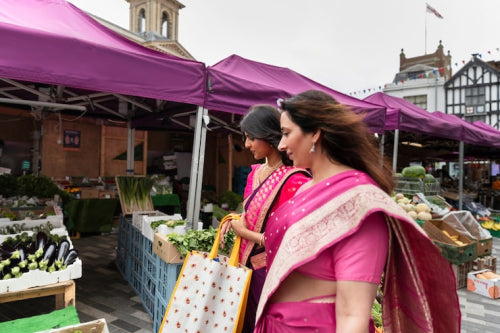
City-based cultural exhibitions have become one of the most influential ways to keep India's handloom traditions visible, relevant, and economically viable in contemporary markets. As urban audiences grow increasingly conscious of authenticity, sustainability, and cultural identity in fashion and home décor, these exhibitions serve as vital meeting points between artisan communities and modern consumers. The story of Indian handloom is not just about fabric it is about heritage, livelihoods, and evolving design language that continues to shape global appreciation for handcrafted goods.
Fast fashion erodes cultural heritage, sidelining artisans and reducing traditions to trends. At IndieHaat, we champion India's craftspeople with handcrafted sarees, apparel, décor, and skincare rooted in authenticity. Each piece embodies skill and ethical care. Support artisans and preserve India's timeless legacy Shop Now!
The Living Legacy of Indian Handloom Traditions
Indian handloom traditions represent centuries of regional knowledge, passed down through generations of weaving communities. Each weave reflects its geography, from the texture of the yarn to the symbolism embedded in patterns and motifs. This diversity is what makes Indian textiles globally distinctive, with techniques shaped by local climates, cultural rituals, and artisanal ecosystems.
As highlighted in documentation on Indian handloom traditions, India's textile heritage includes iconic weaves such as Khadi, Kanjeevaram, Paithani, and Kullu shawls, each rooted in regional histories and community practices. These textiles are produced through sustainable methods that often rely on local materials, natural fibers, vegetable dyes, and manual techniques that significantly reduce environmental impact while supporting rural economies and women-led livelihoods. The same knowledge systems also preserve cultural identity, as fabrics are closely tied to festivals, rituals, and social customs. City-based exhibitions amplify this legacy by bringing these traditions into urban markets, allowing consumers to directly experience the tactile quality, stories, and craftsmanship behind each piece. These interactions strengthen demand for authentic handloom products, provide income stability for artisans, and inspire younger generations to continue or innovate within traditional weaving practices. In this way, exhibitions act as cultural bridges that sustain both heritage and economic resilience.
In the context of modern retail and curated marketplaces such as Indiehaat, this heritage becomes more than historical reference it transforms into a living, evolving design language that connects rural craftsmanship with global appreciation.
How City-Based Exhibitions Bridge Artisans and Urban Audiences
One of the most impactful developments in the craft ecosystem has been the rise of city-based handloom exhibitions. These curated spaces allow artisans to directly present their work to urban consumers, eliminating layers of separation that traditionally existed between production and purchase.
Organizations like the National Handloom Development Corporation have played a significant role in enabling such engagement through structured initiatives. Their efforts in organizing exhibitions, expos, and craft fairs create opportunities for artisans to showcase regional textiles while also educating audiences about weaving techniques and cultural significance.
According to insights on NHDC handloom initiatives, the National Handloom Development Corporation actively organizes exhibitions and expos in major urban centers such as Delhi and Noida to promote India's weaving heritage. These events feature direct artisan participation, allowing weavers to interact with consumers, demonstrate traditional techniques, and explain the cultural meaning behind their craft. Beyond showcasing products, these exhibitions function as structured platforms for market linkage, skill development, and design workshops that strengthen the overall handloom ecosystem. They also help improve visibility for artisans, support sustainable livelihoods, and encourage digital and design empowerment within weaving communities. By creating immersive environments like handloom expos and saree festivals, NHDC transforms exhibitions into educational and experiential spaces where consumers gain deeper awareness of authenticity, sustainability, and cultural value. This approach reinforces the role of urban exhibitions as vital connectors between rural production systems and modern consumer markets.
For city audiences, these exhibitions are often the first tactile encounter with handloom traditions turning abstract cultural appreciation into a tangible experience through fabric, storytelling, and direct interaction with artisans.
Iconic Weaves and Cultural Identity in Modern Context
The strength of India's textile ecosystem lies in its regional identity. Every weave carries cultural meaning, often linked to festivals, rituals, or community life. This connection between fabric and identity is a key reason handloom continues to remain relevant despite industrial textile expansion.
As noted in discussions on Indian handloom traditions, traditional weaving practices are also deeply tied to sustainability. The use of natural materials, vegetable dyes, and manual techniques reflects an environmentally conscious approach long before sustainability became a global industry priority.
City-based textile exhibitions help highlight this dimension by allowing consumers to understand not only how garments are made, but why they matter culturally. For fashion students, designers, and culturally engaged audiences, these exhibitions become living classrooms where tradition and innovation coexist.
Why Exhibitions Matter for Sustainability and Livelihoods
Beyond cultural preservation, handloom exhibitions play a critical role in sustaining artisan livelihoods. Direct engagement with consumers allows weavers to receive better visibility for their work, reducing dependency on fragmented supply chains and intermediaries.
Government-supported initiatives, such as those documented by the National Handloom Development Corporation, demonstrate how structured exhibitions contribute to strengthening the handloom ecosystem. These platforms bring artisans into urban markets, enabling meaningful economic participation while also preserving craft authenticity.
At a broader level, exhibitions help reinforce sustainable consumption patterns. When consumers meet artisans and understand the effort behind each product, purchasing decisions become more intentional. This shift supports slow fashion principles, where durability, craftsmanship, and cultural value take precedence over mass production.
Rising Consumer Shift Toward Authentic Handcrafted Fashion
Urban consumers today are increasingly moving toward products that reflect individuality, heritage, and ethical production. This shift is particularly visible in the growing interest in handcrafted apparel, accessories, and home décor.
Indian handloom exhibitions play a key role in shaping this mindset by offering direct exposure to artisanal processes. Instead of viewing textiles as finished commodities, consumers begin to appreciate them as cultural artifacts shaped by time, skill, and tradition.
This evolution is also influencing design education and retail strategy. Fashion students and professionals increasingly study handloom techniques not only as heritage crafts but as adaptable design systems capable of inspiring contemporary collections.
Within this context, exhibitions act as discovery platforms where consumer curiosity translates into long-term appreciation for handcrafted goods, reinforcing the importance of preserving weaving traditions in modern economies.
The Role of Curated Marketplaces Like Indiehaat
Curated platforms such as Indiehaat extend the impact of physical exhibitions into digital commerce ecosystems. By sourcing directly from artisans, they help bridge the gap between traditional craftsmanship and modern retail expectations.
While exhibitions provide experiential engagement, curated marketplaces ensure continuity allowing consumers to access authentic handcrafted products beyond event spaces. This hybrid model strengthens artisan visibility while expanding their market reach across geographies.
In many ways, platforms like Indiehaat complement city-based craft exhibitions by maintaining the narrative of authenticity year-round. They also support informed purchasing decisions by contextualizing products within their cultural and regional origins, helping consumers make meaningful choices aligned with heritage preservation.
The Future of Handloom Exhibitions and Cultural Commerce
The future of Indian handloom exhibitions lies in deeper integration between physical experiences and digital storytelling. As consumers seek more immersive and educational retail interactions, exhibitions are evolving into curated cultural experiences rather than simple marketplaces.
Collaborations between artisans, designers, cultural institutions, and curated platforms are expected to shape this next phase. These partnerships help preserve traditional knowledge systems while encouraging design innovation that appeals to contemporary audiences.
At the same time, sustainability and ethical sourcing will continue to influence how exhibitions are structured and experienced. The focus is shifting from transactional engagement to long-term cultural appreciation, where each purchase becomes part of a larger narrative of preservation and identity.
City-based textile exhibitions are therefore not just events they are evolving cultural infrastructures. They connect heritage with modernity, craft with commerce, and artisans with audiences who value authenticity. In doing so, they ensure that India's handloom legacy remains not only preserved but actively lived and experienced.
Frequently Asked Questions
How do Indian handloom exhibitions support artisans and improve their livelihoods?
Indian handloom exhibitions support artisans by offering direct market access, reducing dependency on intermediaries, and improving income opportunities. Initiatives like those by the National Handloom Development Corporation also enable skill development, design exposure, and wider visibility for weavers. These platforms strengthen sustainable livelihoods while ensuring the authenticity of handcrafted products is preserved.
What is the role of city-based exhibitions in preserving Indian handloom heritage?
City-based exhibitions play a crucial role in preserving Indian handloom heritage by connecting rural artisan communities with urban consumers. They provide a direct platform for weavers to showcase traditional textiles, techniques, and cultural stories behind each weave. This interaction helps sustain interest in handcrafted fabrics while keeping centuries-old weaving traditions relevant in modern markets.
Why are consumers increasingly choosing authentic handcrafted handloom products today?
Consumers are shifting toward authentic handcrafted handloom products due to growing awareness of sustainability, cultural identity, and ethical fashion. Handloom exhibitions help people understand the craftsmanship and effort behind each textile, encouraging more mindful purchasing decisions. Platforms like curated marketplaces further reinforce this trend by making heritage-driven, sustainable fashion more accessible.
Disclaimer: The above helpful resources content contains personal opinions and experiences. The information provided is for general knowledge and does not constitute professional advice.
You may also be interested in: The Intersection of Fashion and Heritage in Indian Clothing
Fast fashion erodes cultural heritage, sidelining artisans and reducing traditions to trends. At IndieHaat, we champion India's craftspeople with handcrafted sarees, apparel, décor, and skincare rooted in authenticity. Each piece embodies skill and ethical care. Support artisans and preserve India's timeless legacy Shop Now!
Powered by flareAI.co