
Preserving Cultural Narratives Through Fabric Designs
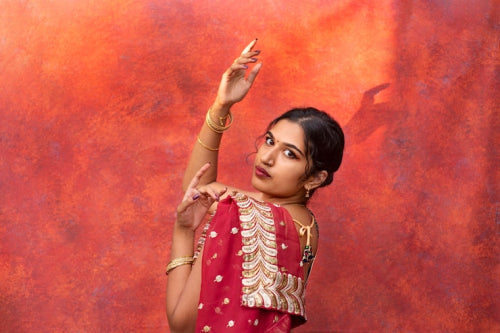
In a world flooded with mass-produced garments, the rich stories embedded in handmade fabrics emerge as vital links to our collective heritage. Weaving Heritage: How Fabric Designs Preserve Cultural Narratives Across Borders delves into how traditional textiles carry forward history, identity, and exceptional artistry from the bustling artisan workshops of India to discerning homes in the US, Singapore, Australia, the UK, and the UAE.
These fabrics transcend mere material they serve as living archives. Each motif, weave pattern, and natural dye narrates tales passed through generations while seamlessly finding new expression in contemporary wardrobes. For those who crave genuine connection through clothing, platforms like IndieHaat provide a trusted bridge straight to the skilled hands crafting every piece with care.
Fast fashion erodes cultural heritage, sidelining artisans and reducing traditions to trends. At IndieHaat, we champion India's craftspeople with handcrafted sarees, apparel, décor, and skincare rooted in authenticity. Each piece embodies skill and ethical care. Support artisans and preserve India's timeless legacy Shop Now!
The Fabric of Culture
Fabrics have long been far more than simple coverings against the elements. For centuries and across continents, they have acted as vibrant canvases for cultural storytelling and personal identity. In Indian villages, the rhythmic sound of handlooms fills the air as families lovingly pass down intricate techniques refined over lifetimes. Similar scenes of dedication play out in craft communities around the world, even as they navigate the challenges of modern times.
For audiences across India, the US, Singapore, Australia, the UK, and the UAE, these textiles hold deep yet universal appeal. They symbolise a thoughtful resistance to the sameness of fast fashion. Shoppers in vibrant cities such as Mumbai, Delhi, New York, Singapore, Sydney, London, and Dubai are turning towards garments with soul pieces that invite meaningful conversations about origins, craftsmanship, and tradition.
This growing preference reflects heightened awareness of the true costs behind disposable clothing, both to people and the planet. Handmade, artisan-sourced textiles stand out as thoughtful alternatives. IndieHaat specialises in connecting conscious buyers directly with makers, guaranteeing authenticity in every creation using only pure linen, silk, and cotton.
Revival of Traditional Techniques
Many traditional textile methods that once risked disappearing are now enjoying a strong revival. In India, the complex resist-dyeing process of Ikat thrives in regions like Odisha and Gujarat. Artisans here preserve elaborate patterns that require years of dedicated practice skills that machines simply cannot match with the same soul and precision.
Parallel revivals enrich other regions too. Designers in Singapore draw from batik heritage, reinterpreting it for modern lifestyles. In the UK, creators blend heritage embroidery into refined daily wear, while Australian artisans thoughtfully combine indigenous influences with global craft traditions. What connects these movements is profound respect for time-honoured processes.
Pure linen offers exceptional breathability, perfect for humid Indian summers or Singapore's tropical weather. Lustrous silk drapes elegantly for special occasions in the UAE or UK events. Cotton fabrics soften beautifully with each wash, becoming more comfortable and characterful over time. These inherent qualities flow directly from authentic traditional methods.
Blending Heritage with Contemporary Fashion
The most captivating designs today do more than preserve tradition they create a lively dialogue between past and present. Talented designers in Australia and the UAE masterfully fuse cultural motifs with sleek, modern silhouettes that transition effortlessly from professional environments to relaxed gatherings.
Imagine a classic linen kurta transformed into a versatile tunic that pairs wonderfully with contemporary trousers. Or silk scarves adorned with traditional patterns serving as striking accessories in minimalist wardrobes. Such creative fusions particularly resonate with diaspora communities and culturally aware consumers across all target regions, allowing them to celebrate their roots while embracing current styles.
IndieHaat's core strengths make these possibilities real: handmade items directly sourced from artisans, truly unique designs, and an unwavering focus on authentic and pure fabrics exclusively linen, silk, and cotton. This dedication ensures every piece carries genuine cultural depth rather than fleeting trends.
The Role of Sustainability and Ethical Practices
Thoughtful consumers in India, the US, and the UAE are increasingly choosing items produced with respect for both communities and the environment. Handmade textiles align naturally with these priorities. Small-batch production minimises waste, while natural fibres such as linen and cotton offer better biodegradability than synthetic alternatives.
Direct partnerships with artisans, as championed by IndieHaat, promote fair livelihoods and help safeguard valuable skills for future generations. When you purchase through such platforms, you actively support entire craft communities rather than distant factories. This level of transparency effectively addresses widespread concerns regarding ethical standards in the fashion industry.
Digital Platforms Empowering Artisans and Buyers
Social media channels and curated online marketplaces have revolutionised the reach of traditional crafts. Through Instagram, Facebook, and YouTube, artisans share their processes, building appreciation and confidence among global audiences. Customers thousands of kilometres away can witness the creation of a handwoven saree or detailed embroidered panel, creating stronger emotional bonds.
These digital tools dissolve geographical distances while protecting the intimate, human side of craftsmanship. For IndieHaat, it means presenting collections where the story behind each item matters as much as its visual beauty. Live demonstrations, workshop tours, and interactive sessions allow followers to engage directly, often influencing new designs based on real feedback.
Real Stories from India's Looms and Beyond
In the historic city of Varanasi, families of weavers continue producing magnificent silk and cotton fabrics that have adorned both royalty and everyday wearers for centuries. Modern collaborations with designers enable these artisans to share their heritage globally while faithfully upholding traditional techniques.
Indian-origin creators based in the US and UK often weave hand-embroidery and heritage block prints into collections that beautifully express blended cultural identities. A striking Banarasi silk pattern might grace a modern jacket suitable for a corporate meeting in Singapore or a festive celebration in Australia.
In the UAE, fusion garments combining Indian artisanal excellence with local design sensibilities attract buyers looking for distinctive pieces for daily elegance and important occasions. These real-world examples demonstrate how fabric narratives journey across borders, evolving while retaining their authentic essence.
Addressing Common Customer Concerns
Prospective buyers sometimes pause before choosing handmade items, frequently mentioning higher pricing, trust issues, or the challenge of not being able to touch and feel the product beforehand. These are understandable in today's digital shopping landscape.
- Investment Value: Superior quality and durability of pure natural fabrics deliver lasting comfort and timeless style that mass-produced items rarely achieve. Many pieces actually improve with age and wear.
- Building Trust: Direct sourcing from artisans provides complete transparency through detailed stories, process videos, and clear origins shared across Instagram, Facebook, and YouTube.
- Overcoming the Touch Factor: Comprehensive descriptions, high-resolution images from multiple angles, and authentic customer experiences help bridge the gap. The personal connection often makes unboxing the garment even more rewarding.
The Enduring Power of Cultural Craftsmanship
Preserving cultural narratives through fabric design goes well beyond nostalgia. It represents a conscious decision to honour human creativity, ancestral knowledge, and responsible practices in everyday choices.
Whether rediscovering regional weaves in India, seeking meaningful heritage connections in the US, or thoughtfully curating intentional wardrobes in Singapore, Australia, the UK, or the UAE, these textiles provide something increasingly rare: genuine authenticity in an often artificial world.
India's deep cultural affinity for crafted beauty finds parallel expression in complementary traditions. As consumers embrace personalised and meaningful accessories alongside textiles, the rich heritage of Indian craftsmanship continues to flourish. Artisans and brands alike are responding by offering innovative yet rooted designs that celebrate identity and tradition in fresh ways.
Next time you select something to wear, pause and consider the story woven into its fabric. By choosing pieces from dedicated artisans through platforms like IndieHaat, you do more than dress well you actively participate in sustaining a living tradition that stretches across continents and generations.
The handlooms keep weaving. The artisans carry forward their invaluable skills. And thoughtful marketplaces ensure these cultural treasures reach appreciative homes worldwide. In every single thread lies a beautiful connection waiting to be embraced.
Frequently Asked Questions
How do handmade fabrics help preserve cultural heritage?
Handmade fabrics serve as living archives, with each motif, weave, and natural dye telling stories passed down through generations. They capture traditional techniques and regional identities, allowing both artisans and consumers to maintain a connection with cultural history while integrating these textiles into contemporary wardrobes.
Why are artisan-sourced textiles considered more sustainable than fast fashion?
Artisan-sourced textiles use natural fibers like linen, silk, and cotton and are produced in small batches, reducing waste and environmental impact. Supporting platforms like IndieHaat ensures ethical practices, fair livelihoods for artisans, and preservation of traditional skills, unlike mass-produced fast fashion that often exploits labor and resources.
How can buyers trust the quality and authenticity of handmade fabrics online?
Reputable platforms provide transparency through detailed product descriptions, high-resolution images, artisan stories, and process videos. By sourcing directly from skilled makers, buyers can be confident that each piece is authentic, ethically made, and crafted from pure fabrics that improve in comfort and character over time.
Disclaimer: The above helpful resources content contains personal opinions and experiences. The information provided is for general knowledge and does not constitute professional advice.
You may also be interested in: Weaving Growth: Top 5 Textile Exports Powering India's Fashion Industry
Fast fashion erodes cultural heritage, sidelining artisans and reducing traditions to trends. At IndieHaat, we champion India's craftspeople with handcrafted sarees, apparel, décor, and skincare rooted in authenticity. Each piece embodies skill and ethical care. Support artisans and preserve India's timeless legacy Shop Now!
Powered by flareAI.co