
Linen and Cotton Fabrics as Sustainable Alternatives
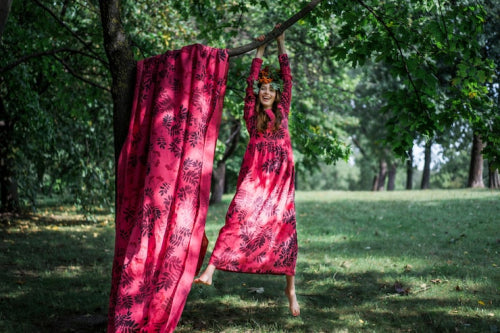
In a world increasingly aware of fashion's environmental footprint, linen and cotton fabrics are stepping into the spotlight as thoughtful, sustainable choices that feel as good as they look. From the vibrant markets of India to conscious consumers across the US, Singapore, Australia, UK, and UAE, these natural fibres are helping redefine responsible style in meaningful ways.
Fast fashion erodes cultural heritage, sidelining artisans and reducing traditions to trends. At IndieHaat, we champion India's craftspeople with handcrafted sarees, apparel, décor, and skincare rooted in authenticity. Each piece embodies skill and ethical care. Support artisans and preserve India's timeless legacy Shop Now!
The Rise of Sustainable Fabrics
Consumers today are thoughtfully rethinking their wardrobes. Conversations around the impact of fast fashion have moved from specialist circles into everyday awareness. People seek clothing that endures, supports ethical practices, and respects the planet. Natural fibres like linen and cotton sit at the centre of this shift, drawn from renewable sources and prized for their breathability and comfort.
IndieHaat connects discerning buyers directly with skilled artisans. The platform's handmade items, distinctive designs, and dedication to authentic, pure linen, silk, and cotton set it apart in a market crowded with synthetic options. This artisan-first model addresses key concerns by offering transparency and genuine craftsmanship that buyers can trust.
Why Linen and Cotton Endure as Wardrobe Essentials
Linen, crafted from the flax plant, has been valued for millennia. Its natural strength, moisture absorption, and cooling qualities make it especially suited to warm climates and active lifestyles. Cotton, when thoughtfully cultivated and finished, delivers softness and adaptability that keeps wearers returning season after season.
Quality examples of these fabrics improve with age. While many modern materials wear out quickly, fine linen and cotton develop a pleasing character, softening and becoming more comfortable with repeated use. This natural evolution supports the growing preference for mindful consumption choosing fewer, better pieces that last.
Regional Perspectives: Natural Fibres Across Markets
In India, a heartening revival of traditional handloom practices is underway. Artisans preserve time-honoured techniques that create cotton and linen fabrics with unique soul and texture that machines simply cannot match. Support for natural fibres through various initiatives has boosted both domestic pride and global interest in this rich heritage.
In the US and UK, shoppers focused on premium and sustainable fashion increasingly expect full supply chain transparency. They favour brands that trace materials from source to garment, reflecting a deeper desire for accountability and lasting quality over fleeting trends.
Singapore and the UAE, known for blending luxury with innovation, show rising appreciation for breathable, eco-conscious textiles. Professionals in humid or warm settings particularly value linen's cooling properties and refined drape. In Australia, strong emphasis on ethical sourcing and environmental care aligns seamlessly with the appeal of pure, traceable natural fabrics.
IndieHaat's Authentic Differentiators
IndieHaat stands out through its firm commitment to authenticity. Every piece is handmade by artisans who invest deep skill and tradition into their craft. Collections feature unique designs rarely seen in mainstream retail, crafted exclusively from pure linen, silk, and cotton fabrics.
This direct relationship allows customers to support artisans fairly while enjoying garments with real character. A flowing linen kurta ideal for Indian summers, a crisp cotton shirt suitable for Singapore's climate, or elegant separates perfect for cooler evenings in the UK all reflect the same dedication to quality and individuality.
Addressing Common Customer Concerns
- High pricing: Pieces may carry a higher initial investment compared to fast fashion, yet their durability, timeless appeal, and fair support for artisans make them smart, long-term choices that reduce overall consumption.
- Trust deficit: Direct artisan partnerships and clear material transparency help build confidence. Buyers receive genuine pure fabrics rather than uncertain blends.
- Lack of touch and feel: Rich descriptions, detailed photography, and honest narratives help bridge the distance. Care guidance further shows how these natural fibres develop beautifully with time and use.
Emerging Trends in Natural Fabric Adoption
Across these diverse regions, clear patterns emerge. Shoppers seek versatile garments that move effortlessly from day to evening and adapt across seasons. Linen's relaxed sophistication and cotton's reliable comfort excel in this flexible approach to dressing.
Principles of slow fashion continue gaining ground. Rather than chasing short-lived trends, many are building wardrobes of loved items intended for years of wear. This mindset resonates deeply with IndieHaat's focus on unique, artisan-crafted pieces that reward repeated use.
There is also growing appreciation for natural texture and subtle variations. The characteristic slubs in linen and the soft hand-feel of quality cotton provide sensory pleasure that synthetics rarely deliver. These organic details become part of each garment's personal story.
Practical Benefits That Matter in Daily Life
The advantages reach well beyond environmental aspects. Linen offers natural antibacterial and hypoallergenic properties, making it suitable even for sensitive skin. Its excellent moisture management helps maintain comfort in humid conditions common in many target regions. Cotton provides comparable breathability and remains gentle for everyday wear with straightforward care.
Both materials age with grace. A favourite linen dress or well-cut cotton shirt often becomes a dependable wardrobe staple, developing an appealing softness that reflects many days of comfortable use.
The Human Story Behind Every Seam
Choosing IndieHaat means more than acquiring clothing it involves supporting communities and safeguarding generational skills. Each item bears the subtle marks of human craftsmanship: slight variations that ensure true uniqueness. This connection elevates shopping into a more meaningful experience.
Buyers in India, the US, Singapore, Australia, the UK, and UAE often speak of finding pieces that feel personally resonant. The distinctive designs inspire creative styling, while the pure fabrics deliver ongoing confidence in both appearance and comfort.
Market Insights Rooted in Real Demand
Industry observations highlight strengthening interest in linen apparel, driven by consumer preference for breathable, eco-friendly materials and the appeal of slow fashion for comfortable summer wear. In India particularly, demand for linen continues to grow steadily, especially within the apparel segment, as more people embrace natural fibres that align with both tradition and modern lifestyles.
Making Sustainable Choices Practical and Accessible
IndieHaat strives to bring sustainable options within easier reach. By minimising intermediaries and prioritising direct artisan relationships, the platform delivers beautiful garments that honour heritage while meeting contemporary needs. Collections thoughtfully balance traditional techniques with modern silhouettes that appeal across cultures.
For newcomers to natural fibres, beginning with versatile staples proves effective a reliable linen shirt, comfortable cotton kurta, or elegant scarf offers an approachable introduction. These items integrate seamlessly with existing wardrobes while introducing the quiet pleasure of pure, breathable textiles.
Looking Forward: Thoughtful Fashion for the Future
As awareness deepens, appreciation grows for materials that honour both people and the planet. Linen and cotton demonstrate that style and responsibility can beautifully coexist. Their enduring relevance across varied markets from India's bustling cities to cosmopolitan centres elsewhere underscores the universal draw of quality and authenticity.
Platforms like IndieHaat, focused on handmade artistry, pure fabrics, and unique designs, play an important role in advancing this positive direction in fashion.
Final Thoughts
Selecting linen and cotton represents more than a style preference it signals support for a world that values craftsmanship, sustainability, and mindful living. Through its dedication to artisan partnerships, authentic materials, and distinctive creations, IndieHaat provides a compelling path to participate in this shift.
Whether drawn to linen's crisp texture during warm days or cotton's dependable comfort for daily life, these natural choices benefit both wearer and maker. Embracing them means investing in garments that feel rewarding today and only improve with time.
Discover the collections to experience how sustainable style can be simultaneously beautiful, comfortable, and deeply satisfying. Your next cherished piece may be one enriched by its journey from skilled artisan hands to your personal wardrobe.
Frequently Asked Questions
Why are linen and cotton considered sustainable fabric choices?
Linen and cotton are derived from renewable natural sources flax and cotton plants making them inherently more eco-friendly than synthetic alternatives. They are breathable, biodegradable, and built to last, which supports the slow fashion movement by reducing the need for frequent replacements. Choosing these fabrics also often means supporting ethical artisan communities and transparent supply chains, adding a social dimension to their sustainability.
What are the practical everyday benefits of wearing linen and cotton clothing?
Beyond their environmental appeal, linen and cotton offer real comfort advantages for daily wear. Linen is naturally antibacterial, hypoallergenic, and moisture-wicking ideal for warm or humid climates while cotton provides gentle breathability suitable for sensitive skin. Both fabrics also improve with age, softening over time to become more comfortable with every wash and wear.
How do handmade linen and cotton garments differ from mass-produced fast fashion?
Handmade linen and cotton pieces, like those crafted by artisans on platforms such as IndieHaat, are made using time-honoured techniques that produce unique textures and subtle variations no machine can replicate. Unlike fast fashion, which prioritises volume over quality, artisan-crafted garments use pure, traceable fabrics and reflect deep skill and tradition. While the upfront cost may be higher, their durability, individuality, and fair support for makers make them a smarter long-term investment.
Disclaimer: The above helpful resources content contains personal opinions and experiences. The information provided is for general knowledge and does not constitute professional advice.
You may also be interested in: Why Saree fall is needed to transform your look?
Fast fashion erodes cultural heritage, sidelining artisans and reducing traditions to trends. At IndieHaat, we champion India's craftspeople with handcrafted sarees, apparel, décor, and skincare rooted in authenticity. Each piece embodies skill and ethical care. Support artisans and preserve India's timeless legacy Shop Now!
Powered by flareAI.co