
Organic Cotton Benefits: Health and Sustainability Combined
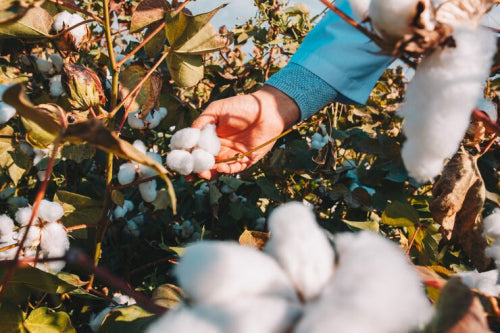
In a sunlit workshop in Varanasi, an artisan's loom hums with purpose, weaving organic cotton into a saree that glows with understated elegance. Each thread tells a story of sustainable fields, skilled hands, and a growing global movement toward eco-conscious fashion. For IndieHaat, a platform rooted in artisan craftsmanship, organic cotton isn't just a material it's a promise to deliver health, sustainability, and authenticity to discerning consumers across India, the US, Singapore, Australia, the UK, and the UAE. As shoppers rethink their choices, this natural fabric is emerging as a cornerstone of handcrafted apparel and décor, blending tradition with a modern ethos of responsibility.
A Surge in Eco-Conscious Fashion
The rise of organic cotton reflects a seismic shift in consumer priorities. From bustling markets in Mumbai to boutique stores in Dubai, demand for sustainable textiles is soaring. IndieHaat's focus on handwoven linen, silk, and cotton taps into this trend, offering unique designs sourced directly from artisans. Unlike fast fashion's disposable churn, these creations embody slow fashion crafted to last, with a story behind every stitch. In regions like the US and Singapore, where eco-awareness meets affluent taste, IndieHaat's collections resonate deeply, bridging cultural heritage with environmental stewardship.
This shift isn't just anecdotal. The global organic cotton market, valued at USD 1,113.5 million in 2023, is projected to reach USD 25,890.2 million by 2032, growing at a 40.0% compound annual growth rate, according to Fortune Business Insights. Asia Pacific led with a 65.7% market share in 2023, while the US market is expected to hit USD 504.56 million by 2032, fueled by a hunger for eco-friendly textiles. IndieHaat's artisan-driven model positions it perfectly to capture this growing demand, particularly in premium markets.
The Power of Social Media Storytelling
Social media is the heartbeat of this movement. Platforms like Instagram, Facebook, and YouTube amplify IndieHaat's mission, showcasing the artistry behind organic cotton through vibrant visuals and authentic narratives. Accounts like anilarubyraj and svishala74 on Instagram highlight the tactile beauty of handwoven textiles, drawing followers into the artisan's world. YouTube tutorials and Facebook posts further humanize the process, revealing the care behind each piece. This digital storytelling isn't just marketing it's a bridge connecting artisans in rural India to global consumers seeking ethical luxury.
The slow fashion movement thrives on such transparency. Consumers in Australia and the UK, skeptical of greenwashing, crave proof of authenticity. IndieHaat delivers by spotlighting artisan's stories, from the fields where organic cotton is grown to the looms where it's transformed. This resonates in markets like the UAE, where sustainability is becoming a hallmark of high-end fashion.
Health Benefits That Matter
Organic cotton's appeal goes beyond aesthetics it's a health-conscious choice. Grown without synthetic pesticides or toxic dyes, it's gentle on sensitive skin, making it ideal for children, the elderly, or anyone with allergies or conditions like dermatitis. Its breathable, hypoallergenic nature ensures comfort, whether in a flowing saree or a soft throw for your home. For IndieHaat's customers, this means clothing and décor that feel as good as they look, free from the chemical residues that linger in conventional fabrics.
The difference is stark. Conventional cotton often involves harsh chemicals that irritate skin and harm farmers. Organic cotton, by contrast, uses natural fertilizers and eco-friendly processes, creating a fabric that's safer for both wearer and maker. This aligns with IndieHaat's ethos of authenticity, offering products that prioritize wellness without sacrificing style.
A Win for the Planet
Sustainability is organic cotton's superpower. Its production slashes water use and eliminates the chemical runoff that degrades soil and waterways. According to Fortune Business Insights, this lower environmental footprint drives its market growth. Organic cotton also supports biodiversity and healthier ecosystems, preserving farmland for future generations. A 2019 UK Parliament report on sustainable fashion noted that voluntary industry reforms often fall short, emphasizing the need for systemic changes like eco-tariffs and standardized certifications. IndieHaat bypasses these pitfalls by sourcing directly from artisans, ensuring transparency and ethical practices.
Fair wages are another pillar. By partnering with farming communities, IndieHaat supports livelihoods, particularly in India, where organic cotton is a growing industry. This commitment extends to the artisans who transform raw cotton into heirloom-quality textiles, reinforcing a cycle of sustainability and economic empowerment.
Artisans as Changemakers
At the heart of IndieHaat's mission are the artisans skilled weavers and craftspeople who bring organic cotton to life. In villages across India, they create sarees, stoles, and home décor with patterns that carry cultural significance. These pieces aren't just products; they're stories of resilience and artistry. In markets like Singapore and the US, consumers are drawn to this authenticity, choosing handcrafted textiles over mass-produced alternatives.
Artisans themselves vouch for organic cotton's durability. One weaver described how its natural strength ensures creations that endure years of use, offering value that justifies the investment. In the UAE, where luxury buyers seek unique, sustainable pieces, IndieHaat's offerings stand out, blending tradition with modern appeal.
Tackling Consumer Hesitations
Organic cotton isn't without its hurdles. High pricing is a common concern, but IndieHaat counters with a focus on longevity. A handwoven organic cotton saree may cost more than a fast-fashion equivalent, but its durability and timeless design make it a wardrobe staple for decades. To address trust deficits, IndieHaat prioritizes transparency sharing artisan stories, certifications, and detailed sourcing information. For those missing the in-store tactile experience, high-quality videos and customer reviews on Instagram and YouTube bring the fabric's texture to life, reassuring buyers in markets like Australia and the UK.
These strategies are critical in overcoming skepticism. By emphasizing value, authenticity, and visual storytelling, IndieHaat turns objections into opportunities, building a loyal customer base that values quality over convenience.
Expanding the Horizon
The potential for organic cotton is vast. Beyond clothing, IndieHaat is exploring accessories and home décor, tapping into the growing demand for sustainable luxury. Social media remains a powerful tool Instagram reels showcasing weaving techniques or Facebook posts highlighting eco-friendly sourcing can captivate audiences in Singapore and the UAE. As consumers increasingly prioritize ethical purchases, IndieHaat's artisan-driven model positions it as a leader in this space, offering products that marry craftsmanship with conscience.
The global market's trajectory reinforces this optimism. With organic cotton expected to reach USD 25,890.2 million by 2032, the opportunity for artisans and retailers is immense. By leveraging digital platforms and expanding product lines, IndieHaat can capture a growing share of this eco-conscious wave.
Weaving a Sustainable Future
Organic cotton is more than a fabric it's a movement. For IndieHaat, it's a chance to honor artisans while meeting the demands of a world craving sustainability. As the global market surges toward USD 25,890.2 million by 2032, the choice is clear: every organic cotton purchase supports healthier lives, thriving ecosystems, and empowered communities. From a weaver's loom in Varanasi to a boutique in Dubai, IndieHaat's handcrafted textiles invite us to rethink fashion. Explore their collections and join a revolution that weaves health, sustainability, and artistry into every thread.
Frequently Asked Questions
What are the main health benefits of organic cotton clothing?
Organic cotton offers significant health advantages as it's grown without synthetic pesticides or toxic dyes, making it gentle on sensitive skin. It's naturally hypoallergenic and breathable, making it ideal for people with allergies, dermatitis, or skin sensitivities. Unlike conventional cotton that may contain chemical residues, organic cotton provides comfort without irritation for both children and adults.
How does organic cotton help the environment compared to regular cotton?
Organic cotton production dramatically reduces environmental impact by slashing water usage and eliminating harmful chemical runoff that degrades soil and waterways. It supports biodiversity, preserves farmland health for future generations, and uses natural fertilizers instead of synthetic chemicals. This sustainable approach also protects farming communities from exposure to toxic pesticides while maintaining healthier ecosystems.
Why is organic cotton more expensive, and is it worth the investment?
Organic cotton costs more due to sustainable farming practices, natural fertilizers, and the skilled craftsmanship involved in production, but it offers superior value through durability and longevity. A handwoven organic cotton piece can last decades compared to fast-fashion alternatives, making it more cost-effective over time. The investment also supports fair wages for farmers and artisans while ensuring you receive chemical-free, high-quality textiles that maintain their beauty and integrity for years.
Disclaimer: The above helpful resources content contains personal opinions and experiences. The information provided is for general knowledge and does not constitute professional advice.
You may also be interested in: Top 5 Textile Exports Fueling India's Fashion Industry in 2024
Fast fashion erodes cultural heritage, sidelining artisans and reducing traditions to trends. At IndieHaat, we champion India's craftspeople with handcrafted sarees, apparel, décor, and skincare rooted in authenticity. Each piece embodies skill and ethical care. Support artisans and preserve India's timeless legacy Shop Now!
Powered by flareAI.co