
Natural Fabrics Like Silk and Linen Support Sustainable Fashion Choices
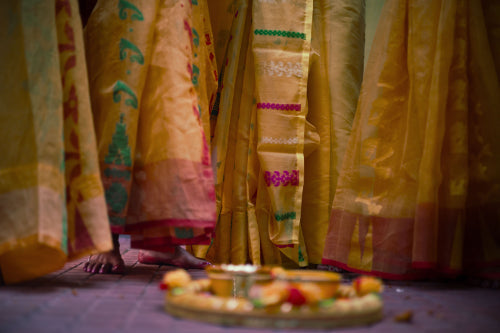
Choosing the right fabric for your clothes goes beyond style and comfort. It directly shapes how much impact your wardrobe leaves on the planet. Natural fabrics such as silk and linen stand out in this conversation because they come from renewable sources, last longer, and require fewer resources than many conventional options. For shoppers who care about thoughtful consumption, these materials offer a practical path toward lower environmental footprints without sacrificing quality or longevity.
Fast fashion erodes cultural heritage, sidelining artisans and reducing traditions to trends. At IndieHaat, we champion India's craftspeople with handcrafted sarees, apparel, décor, and skincare rooted in authenticity. Each piece embodies skill and ethical care. Support artisans and preserve India's timeless legacy Shop Now!
Why Natural Fabrics Matter in Today's Fashion Landscape
The fashion industry has long grappled with heavy demands on water, energy, and land. Fast production cycles and synthetic materials have intensified these pressures, leading to significant waste at every stage. Natural fibres step in as a more balanced alternative because their raw materials renew naturally through agriculture rather than fossil fuel extraction. Silk from silkworms and linen from flax plants both support soil health when cultivated responsibly, while also delivering garments that hold up over seasons.
By prioritising these options, consumers can align personal style with practices that reduce unnecessary strain on natural resources. Brands and makers increasingly recognise this shift, creating opportunities for pieces that feel personal yet contribute positively to broader environmental goals.
The Environmental Advantages of Linen
Linen, derived from the flax plant, earns praise for its low resource demands during cultivation. The flax crop typically requires less water than many other fibre crops and thrives with minimal irrigation in suitable climates. Farmers often follow regenerative methods that improve soil fertility over time, avoiding heavy chemical reliance. This results in a lighter overall footprint compared to fibres that need intensive farming or processing.
Once harvested, linen fabric itself feels breathable and durable. It absorbs moisture effectively yet dries quickly, making it ideal for year-round wear. Unlike synthetics that shed microplastics during washing, linen biodegrades cleanly at the end of its life when properly cared for. These qualities make linen a standout choice for anyone seeking materials that align with sustainable living.
Silk's Place in Responsible Wardrobes
Silk, produced by silkworms, brings its own set of advantages rooted in its natural origins. Mulberry silk, the most common type, comes from controlled farming systems that promote animal welfare and minimise chemical inputs. The fibre itself is incredibly strong, allowing garments to last for years rather than months. Its luxurious drape and sheen add elegance that many synthetic alternatives simply cannot match.
Research highlights how natural fibres like silk and linen help address the textile industry's broader challenges. By focusing on materials that support slower, more mindful consumption, shoppers contribute to efforts that reduce waste and resource overuse. Silk's longevity, in particular, encourages buying fewer pieces that can be worn repeatedly with proper care, such as gentle hand washing and air drying.
Comparing Natural Fabrics: Silk and Linen in Practice
When evaluating options, linen often edges out for everyday versatility because of its breathability and ease of care. It works beautifully in casual settings, from linen shirts to summer dresses, and pairs well with both warm and cool weather. Silk, meanwhile, shines in elevated pieces perhaps a silk scarf or tailored blazer where its texture elevates an outfit without demanding heavy maintenance.
Both materials support circular fashion principles by extending garment life. A well-made linen shirt, for instance, can easily last ten or more years with thoughtful storage. Silk pieces similarly reward careful handling, turning one investment into multiple seasons of wear. This longevity reduces the need for repeated purchases and aligns with values around responsible consumption.
Practical Ways to Incorporate Natural Fabrics Into Your Routine
Start by examining your current wardrobe for blends that contain synthetics. Replacing a few key items with pure silk or linen can make a noticeable difference in sustainability metrics. Look for garments made from single-source fibres and choose colours and patterns that encourage mixing and matching rather than buying new every season.
Consider the end of a garment's life. Natural fabrics like these break down more predictably than plastics, though they still benefit from proper disposal or recycling programmes. Many communities now offer take-back services for textiles, and choosing durable pieces makes this step easier.
Supporting Ethical Choices Through Brand Partnerships
Shopping for natural fabrics also means seeking out makers who focus on transparency and fair practices. When brands partner with artisans who grow flax or raise silkworms under certified conditions, the entire supply chain gains integrity. This approach not only protects the environment but also supports local communities who value traditional crafts.
By choosing pieces that carry clear stories of origin and care, consumers can feel confident that their purchase reflects genuine responsibility. Such partnerships turn individual style decisions into collective impact for more sustainable fashion systems.
Natural Fabrics as a Foundation for Better Fashion
Natural fabrics like silk and linen represent more than a trend they form a practical foundation for fashion that respects both people and the planet. Their durability, breathability, and renewable nature help shift the industry toward consumption patterns that last. As awareness grows, these materials will continue to gain ground among those who value quality over quantity.
For those ready to make meaningful changes, starting with silk and linen offers a clear, achievable step. Each carefully chosen garment becomes part of a wardrobe that feels good, looks good, and does good for the world.
Reducing the environmental impact of fashion requires addressing the entire lifecycle of clothing, from raw material production and manufacturing to garment use and end-of-life management. The textile industry faces growing challenges because large volumes of clothing are produced, purchased, and discarded at increasingly rapid rates. Synthetic fibres derived from fossil fuels have become dominant in global fashion, creating concerns around resource use, waste, and long-term environmental effects. In response, researchers, designers, and brands are exploring ways to improve material choices, increase recycling possibilities, and encourage more responsible consumption patterns. Fashion's environmental footprint Because they come from renewable sources and have long histories of use in durable garments, natural fibres such as silk and linen are part of this wider conversation.
Frequently Asked Questions
Why are silk and linen considered sustainable fabrics for eco-friendly fashion?
Silk and linen are considered sustainable fabrics because they come from renewable natural sources and can support longer-lasting wardrobes. Linen made from flax and silk produced from silkworms offer durability, comfort, and a lower reliance on synthetic fibres when sourced and processed responsibly.
How does linen help reduce the environmental impact of clothing?
Linen can help reduce fashion's environmental impact because flax cultivation typically requires fewer resources, including less water than many fibre crops. Its breathable, durable nature also supports slower fashion practices by allowing garments to be worn for many years.
Are silk and linen good choices for building a sustainable wardrobe?
Yes, silk and linen can be valuable choices for a sustainable wardrobe when paired with responsible purchasing habits. Their strength, longevity, and ability to support buying fewer high-quality pieces make them suitable for consumers focused on reducing waste and extending garment life.
Disclaimer: The above helpful resources content contains personal opinions and experiences. The information provided is for general knowledge and does not constitute professional advice.
You may also be interested in: The Role of Tussar Silk in Sustainable Fashion from Jharkhand Looms
Fast fashion erodes cultural heritage, sidelining artisans and reducing traditions to trends. At IndieHaat, we champion India's craftspeople with handcrafted sarees, apparel, décor, and skincare rooted in authenticity. Each piece embodies skill and ethical care. Support artisans and preserve India's timeless legacy Shop Now!
Powered by flareAI.co