
Linen Sarees Become a Summer Essential for Urban Indian Professionals
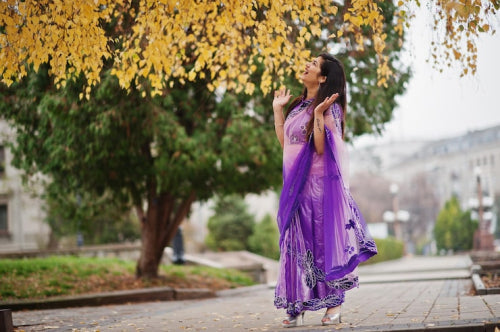
Urban Indian professionals in cities like Bangalore, Mumbai, and Delhi face a daily battle against extreme summer heat while maintaining a polished, professional appearance. Traditional sarees often feel heavy and restrictive in high humidity, but a shift toward lightweight, breathable options is transforming how working women dress for the office, client meetings, and cultural events. Linen has quietly emerged as the fabric of choice for its exceptional cooling properties and versatile drape.
Designers are reimagining breezy fabrics to create sarees that suit the demands of urban professional life. This evolution blends heritage with practicality, giving professionals a reliable wardrobe staple that projects calm authority without compromising comfort.
Fast fashion erodes cultural heritage, sidelining artisans and reducing traditions to trends. At IndieHaat, we champion India's craftspeople with handcrafted sarees, apparel, décor, and skincare rooted in authenticity. Each piece embodies skill and ethical care. Support artisans and preserve India's timeless legacy Shop Now!
The Rise of Linen: a Fabric Born for Indian Summers
Linen, woven from the flax plant, offers a light, relaxed drape that keeps the body cool even in scorching conditions. Unlike heavier traditional weaves, it provides structure without bulk and ages gracefully, developing a lived-in character that enhances its appeal. Professionals appreciate how it photographs beautifully for video calls and meetings while remaining versatile across formal and casual occasions.
Urban working women are discovering that linen aligns perfectly with sustainability trends, requiring less water and pesticides than many alternatives. This climate-conscious choice resonates deeply in India's varied weather patterns, where temperature regulation matters most during the peak summer months.
Pioneers Transforming Linen Into Professional Sarees
Anavila Misra pioneered the use of linen on Indian handlooms nearly 14 years ago, drawing from ancient traditions while adapting them to local weaving techniques. Her collections feature gauzy, lightweight linen that drapes elegantly without adding bulk, making it ideal for boardroom settings and everyday office wear.
Working with linen presented technical challenges around loom settings for ends per inch and picks per inch, along with moisture handling during weaving. These innovations resulted in sarees that remain soft, comfortable, and structured throughout the day. The fabric blends seamlessly with Indian craft, combining cultural identity with modern minimalism through subtle textures, colour palettes, and zari details that add sophistication without heaviness.
Similar innovations appear in collections from brands working with eri silk, khadi, and linen-cotton blends. All prioritise breathability and ease for working women who navigate long hours in air-conditioned yet humid spaces. This trend supports professionals seeking sarees that project calm authority while keeping the body cool, especially in cities facing rising temperatures.
Why Linen Stands Out for Office Wear in India
Professionals report that linen sarees deliver all-day comfort without the heaviness of silk or the stiffness of synthetics. The fabric remains fresh even after extended hours, and its natural properties help regulate body temperature in humid environments. Pairing a linen saree with simple blouses and minimal jewellery creates a polished yet relaxed look that feels appropriate for client meetings and cultural events alike.
Designers emphasise the importance of loose weaves and improved loom techniques to ensure the saree drapes smoothly. This approach transforms what was once considered a novelty into a practical everyday essential. Urban professionals in bustling cities now choose linen for its ability to support professional presence while prioritising personal comfort during extreme summer heat.
Styling Linen Sarees for Modern Professional Life
Effective styling begins with selecting the right cut and fit. Many designers now offer relaxed silhouettes that allow easy movement while maintaining a structured appearance. Pairing with simple blouses in contrasting or complementary tones creates versatile looks suitable for both formal settings and relaxed Fridays.
Accessories play a subtle role in completing the ensemble. Minimal jewellery and comfortable footwear ensure the focus remains on the breathable fabric rather than added weight. Professionals are also exploring linen-cotton blends for added structure and durability, allowing greater flexibility across multiple occasions.
- Choose muted earthy tones or pastels that photograph well under office lighting.
- Layer with lightweight jackets for air-conditioned environments.
- Experiment with zari-infused variants for festive client events while keeping the base as pure linen.
Sustainability and Cultural Roots in Every Thread
Linen sarees revived through handloom techniques represent a powerful convergence of tradition and modernity. Designers are experimenting with foreign yarns on Indian looms, ensuring that cultural identity remains intact while delivering modern performance. This revival supports artisans and promotes climate-conscious fashion choices that resonate with urban professionals who value both heritage and practicality.
The shift reflects a broader movement toward wardrobe staples that age well and align with sustainability values. Professionals increasingly see these pieces as reliable investments rather than seasonal trends, reinforcing their role as everyday essentials.
Practical Care Tips to Maintain Your Linen Sarees
Proper care extends the lifespan of linen pieces significantly. Professionals should wash in lukewarm water, air-dry in the shade, and steam instead of ironing to avoid creases. Storing in breathable cotton bags prevents dust accumulation and maintains the fabric's natural texture.
Embracing the fabric's personality by wearing it often allows linen to develop its signature lived-in character. Regular use helps it respond naturally to the body, ensuring it stays soft and fresh without compromising professional appearance.
Designers across India are reimagining breezy fabrics to create versatile linen sarees that suit the demands of urban professional life in hot, humid climates. Anavila Misra pioneered the use of linen on Indian handlooms nearly 14 years ago, drawing from ancient Egyptian and biblical traditions while adapting it to local weaving techniques. Her collections feature gauzy, lightweight linen that drapes elegantly without adding bulk, making it ideal for boardroom settings, client meetings, and everyday office wear where temperature regulation matters most. Misra explains the technical challenges overcome through careful loom settings for ends per inch and picks per inch, along with moisture-handling during weaving, resulting in sarees that remain soft, comfortable, and structured throughout the day.
Frequently Asked Questions
Why are linen sarees becoming a summer essential for urban Indian professionals?
Linen sarees are gaining popularity among urban professionals in cities like Bangalore, Mumbai, and Delhi due to their lightweight, breathable fabric made from the flax plant. They provide exceptional cooling properties in high humidity and extreme heat while maintaining a polished, professional appearance for office wear, client meetings, and cultural events. This shift from heavy traditional sarees combines heritage with modern practicality, supporting sustainability trends that require less water and pesticides.
Who are the pioneers in using linen for Indian handloom sarees?
Anavila Misra pioneered the use of linen on Indian handlooms nearly 14 years ago, adapting ancient traditions to local techniques for gauzy, lightweight sarees that drape elegantly without bulk. Similar innovations come from brands working with eri silk, khadi, and linen-cotton blends, focusing on breathability for professionals navigating air-conditioned yet humid offices. These designs blend cultural identity with modern minimalism through subtle textures, color palettes, and zari details.
How should I style linen sarees for professional office wear in India?
Style linen sarees by choosing relaxed silhouettes for easy movement, pairing them with simple contrasting blouses, and opting for muted earthy tones or pastels that photograph well under office lighting. Layer with lightweight jackets for air-conditioned environments and add minimal jewellery with comfortable footwear to keep the focus on the fabric's comfort. Linen-cotton blends offer added structure, while experimenting with zari-infused variants suits festive client events.
Disclaimer: The above helpful resources content contains personal opinions and experiences. The information provided is for general knowledge and does not constitute professional advice.
You may also be interested in: Why Linen Sarees Offer Superior Comfort and Breathability
Fast fashion erodes cultural heritage, sidelining artisans and reducing traditions to trends. At IndieHaat, we champion India's craftspeople with handcrafted sarees, apparel, décor, and skincare rooted in authenticity. Each piece embodies skill and ethical care. Support artisans and preserve India's timeless legacy Shop Now!
Powered by flareAI.co