
Indias Ethical Fashion Movement Challenges Fast Fashion Norms
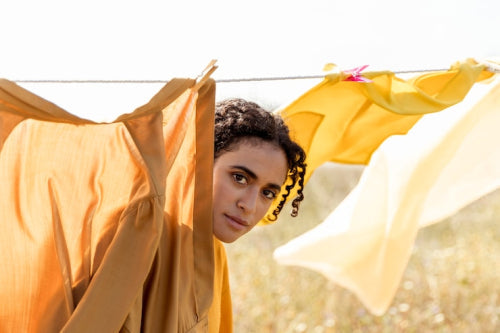
A weaver deftly guides threads of khadi through a handloom, each motion a deliberate act of defiance against the relentless pace of fast fashion. This scene, echoed in villages and urban workshops across India, marks a profound shift in the global apparel industry. India's ethical fashion movement is not a fleeting trend but a powerful force rooted in sustainability, cultural heritage, and a rejection of the environmental and social toll of mass-produced clothing. As the world confronts the fallout of overconsumption, India's artisans and ethical brands are crafting a compelling alternative, one that places people and the planet above profit.
Ethical fashion centers on producing clothing and accessories in ways that respect both the environment and the workers involved. In contrast to fast fashion's model where low-cost, trend-driven garments often rely on exploited labor and ecological harm ethical fashion prioritizes eco-friendly materials, fair wages, and sustainable practices. In India, this movement is gaining traction, driven by a young, digitally engaged population redefining fashion as a conscious choice. With nearly 65% of India's 1.4 billion people under 35, clothing has become a medium for self-expression, a nod to tradition, and a commitment to a greener future, as noted in Fibre2Fashion's analysis of India's fashion retail transformation.
A Growing Industry with Deep Roots
India's fashion and textile sector is on the cusp of transformative growth. Prime Minister Narendra Modi's 2025 plan aims to triple the industry's value to $350 billion by 2030, creating 2.1 million jobs through initiatives like the PM Mega Integrated Textile Region and Apparel (PM MITRA) scheme. Yet, beneath this ambition lies a more profound change: India is positioning itself as a global leader in ethical fashion. The global sustainable fashion market, valued at $3.6 billion in 2023, is projected to reach $9 billion by 2033, growing at a 9.6% annual rate. This growth reflects a rising demand for clothing made with organic materials, recycled fabrics, and sustainable dyes, alongside fair labor practices that reduce waste across supply chains.
This shift has been years in the making. The explosion of e-commerce has bridged the gap between rural artisans and global consumers, making handcrafted goods more accessible. Platforms like IndieHaat lead this charge, offering a marketplace for authentic Indian craftsmanship. From intricately woven sarees to naturally dyed bags, IndieHaat doesn't just sell products it shares the stories of artisans, from Rajasthan's dyers to West Bengal's embroiderers. This emphasis on transparency aligns with a growing consumer desire to understand the origins of their clothing, a trend amplified by technologies like blockchain traceability and digital inventory management.
The data underscores this momentum. India's apparel market, valued at $115.7 billion in 2024, is expected to grow to $171.6 billion by 2034 at a 4% annual rate. Globally, the sustainable fashion sector is accelerating even faster, with projections estimating a 22.9% growth rate, reaching $33.1 billion by 2033. This reflects a cultural shift in India, where a rising middle class, fueled by increasing disposable incomes, is gravitating toward eco-conscious and ethically produced clothing.
Artisans as the Soul of the Movement
In the small town of Ukhrul, Manipur, the roots of India's ethical fashion ethos come alive. Sisters Linnotha and Lumri Jajo recall their childhood in the 1990s, sifting through piles of secondhand clothes at women-run stalls. “Secondhand shopping is all about having a good eye,” Linnotha, now 32, told Vogue Business. “It's a slow process, but we were never short of good clothes.” This tradition of reuse, common in India's smaller towns, is now fueling a broader push for circular fashion, where garments are designed for longevity, repair, or recycling.
IndieHaat builds on this heritage, championing artisans who create enduring pieces. A handwoven saree from their platform is more than fabric it's a six-yard masterpiece dyed with natural indigo and crafted by artisans whose skills span generations. By embracing fair trade principles, IndieHaat ensures these craftspeople earn sustainable incomes, uplifting rural communities and preserving techniques like block printing and ikat weaving. Brands like Fabindia and Doodlage are also making waves, blending modern designs with traditional craftsmanship to prove that ethical fashion can be both fashionable and viable in a market dominated by giants like H&M and Zara.
The Hurdles of Scaling Slow Fashion
Scaling ethical fashion is no small feat. Artisanal production is inherently labor-intensive and costly a handwoven shawl might take days to complete, pushing prices far above fast fashion's $10 T-shirts. Educating consumers about the environmental and human costs of clothing remains a challenge, particularly in a market where global brands offer convenience and affordability. Despite growing awareness, fast fashion's grip on India's retail landscape persists, posing a formidable barrier to ethical alternatives.
Infrastructure presents another obstacle. While Modi's mega-parks aim to modernize textile production, many artisans lack access to advanced tools or training. Balancing quality with global demand requires investments in innovations like smart manufacturing and circular business models. However, these solutions often remain out of reach for the small-scale craftspeople at the heart of ethical fashion, limiting their ability to compete on a global stage.
A World of Possibilities
Yet, the opportunities are vast. The global demand for sustainable fashion is surging, with India poised to lead the charge. Exports of eco-friendly textiles are climbing, driven by consumers in Europe and North America willing to invest in ethically made goods. Platforms like IndieHaat are capitalizing on this trend, connecting international buyers with India's rich craft heritage while promoting sustainable practices.
The economic and social impacts are transformative. Ethical fashion generates jobs and empowers marginalized groups, particularly women in rural areas, fostering financial independence and preserving cultural traditions. Even fast fashion brands are adapting, with companies like H&M and Adidas introducing sustainable collections to appeal to conscious consumers, a shift driven by the growing influence of India's ethical fashion movement.
Envisioning the Future
What lies ahead for India's ethical fashion movement? Industry experts see it as a linchpin in the global transition to sustainability. “India has the potential to reshape fashion's supply chain,” a textile analyst told Fibre2Fashion, emphasizing the need for collaboration among artisans, brands, and policymakers. Innovations in eco-conscious technology, from smart manufacturing to circular models, will be critical, as will consumer advocacy. As more shoppers choose artisanal over mass-produced, the fashion industry's power dynamic could shift toward sustainability.
In Delhi, the weaver continues her work, her loom a symbol of resilience and hope. The path forward is clear: embrace ethical fashion, prioritize quality over quantity, and support the artisans weaving a brighter future. In a world saturated with disposable trends, India's ethical fashion movement offers a powerful vision a chance to wear your values, one handcrafted thread at a time.
Disclaimer: The above helpful resources content contains personal opinions and experiences. The information provided is for general knowledge and does not constitute professional advice.
You may also be interested in: Textile Waste Crisis in India: Challenges and Opportunities for a
Fast fashion erodes cultural heritage, sidelining artisans and reducing traditions to trends. At IndieHaat, we champion India's craftspeople with handcrafted sarees, apparel, décor, and skincare rooted in authenticity. Each piece embodies skill and ethical care. Support artisans and preserve India's timeless legacy Shop Now!
Powered by flareAI.co