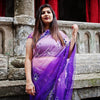
How Traditional Weaves are Shaping Modern Indian Apparel

Quick Listen:
In the bustling lanes of Varanasi and the serene weaving clusters of Chanderi, centuries-old techniques are breathing fresh life into modern wardrobes. Traditional Indian weaves like Ikat, Banarasi, Chanderi, and Kanjeevaram have stepped beyond festive sarees and heritage trunks. They are now actively shaping contemporary Indian apparel and global fashion trends alike.
This renaissance reflects a deeper shift. As consumers in India and across the world seek authenticity amid fast fashion fatigue, these handcrafted textiles offer timeless artistry with everyday relevance. From fusion wear in metropolitan India to premium ethnic pieces in international markets, traditional weaves are proving their enduring appeal.
Fast fashion erodes cultural heritage, sidelining artisans and reducing traditions to trends. At IndieHaat, we champion India's craftspeople with handcrafted sarees, apparel, décor, and skincare rooted in authenticity. Each piece embodies skill and ethical care. Support artisans and preserve India's timeless legacy Shop Now!
The Enduring Revival of Indian Handloom Heritage
Indian textiles have long represented more than mere fabric. They embody history, regional identity, and generational expertise. The distinctive blurred patterns of Ikat from Odisha and Gujarat, the luxurious gold zari work of Banarasi silk, the lightweight grace of Chanderi, and the grand temple borders of Kanjeevaram have adorned diverse lives across centuries.
Today, a noticeable revival is underway. Indian designers and consumers are rediscovering the versatility of these weaves, while buyers in the US, UK, Australia, Singapore, and the UAE appreciate their cultural richness and ethical credentials. In an era where uniqueness matters, handloom pieces stand out through subtle variations that reflect human craftsmanship rather than machine uniformity.
Their growing popularity stems from cultural storytelling woven into every motif, sustainable production methods, and the emotional connection they create between wearer and artisan.
Emerging Trends in Fusion Wear and Digital Reach
Fusion fashion represents one of the most dynamic developments. Traditional weaves now appear in Western silhouettes think structured jackets, contemporary dresses, and smart casual wear. In India, professionals confidently style Banarasi jackets with trousers for both office and evening events. In Singapore and the UAE, minimalist fusion garments appeal to diverse, cosmopolitan lifestyles.
Digital marketplaces have dramatically expanded access. Indian e-commerce platforms now deliver authentic handcrafted apparel directly to customers in the US, UK, and Australia, moving beyond traditional ethnic retail channels. This connectivity allows global consumers to discover exclusive, narrative-driven pieces with ease.
Collaborations between Indian artisans and international designers continue to flourish, resulting in limited collections that emphasise sustainability and cultural dialogue. Government initiatives through the Ministry of Textiles further support handloom clusters with revival programmes and export facilitation, strengthening the ecosystem.
Inspiring Examples Across Markets
Leading Indian designers such as Sabyasachi and Anita Dongre have prominently featured Banarasi and Chanderi weaves in collections presented at major international fashion weeks. Their work illustrates how heritage textiles can enhance modern garments without losing their soul.
In Singapore, boutique brands actively seek Indian handlooms to meet rising demand for artisanal and responsibly made fabrics. Retail chains in the UAE showcase premium handloom sarees and fusion wear as luxurious ethnic options for both residents and travellers.
E-commerce has been transformative for markets in Australia and the UK. Shoppers can now trace the origins of their garments, directly supporting weavers while embracing the slower, more considered production that defines authentic handloom.
Navigating Key Challenges in the Ecosystem
The path forward brings real obstacles. Urbanisation and changing aspirations among younger generations threaten the transmission of specialised weaving skills across Indian handloom communities. Many clusters face difficulties maintaining adequate artisan numbers.
Scaling production while preserving quality remains complex, particularly when serving international clients who expect consistency alongside character. Premium pricing, though justified by craftsmanship, can restrict wider adoption in certain segments. Additionally, protecting distinctive regional patterns from imitation continues to require attention on the global stage.
Strategic Opportunities for Artisans and Brands
Consumer preference for sustainable and ethically produced clothing opens significant doors. Shoppers in India, the UK, and Singapore increasingly prioritise transparency qualities naturally present in traditional handloom practices.
Forward-thinking brands leverage authentic storytelling around weavers and techniques to forge stronger customer connections. A simple Chanderi kurta gains deeper meaning when its journey from loom to wardrobe is shared through digital platforms.
Curated collections targeting the Indian diaspora and premium segments show strong potential. Technology aids this expansion through virtual fittings, artisan spotlights, and interactive content that builds trust across distances.
The Wider World of Handicrafts and Artisan Excellence
Textiles form a vibrant part of the broader handicrafts landscape, which also includes pottery, woodwork, metal crafts, and handmade jewelry. This sector reflects a global appreciation for skilled craftsmanship and cultural heritage over mass-produced uniformity.
Handmade jewelry, much like handloom textiles, celebrates the artisan's personal touch from meticulous metalwork to unique designs using traditional and recycled materials. Brands that authentically centre artisan voices gain meaningful differentiation in competitive markets.
Practical Insights for Businesses and Consumers
For Indian brands, integrating traditional weaves offers more than aesthetic appeal. It provides a compelling narrative that resonates with conscious consumers seeking both style and substance. Retailers can differentiate by highlighting regional origins, artisan stories, and the cultural significance behind each piece.
Consumers benefit by choosing garments that support livelihoods while offering superior durability and timeless appeal. This mindful approach transforms shopping from a transactional experience into one of cultural appreciation and positive impact.
- Support regional clusters: Prioritise weaves from specific handloom traditions to preserve diversity.
- Embrace fusion thoughtfully: Blend heritage with modern cuts while respecting original craftsmanship.
- Leverage digital storytelling: Share artisan profiles to build emotional connections with buyers.
Looking Forward: Tradition Woven into the Future
Textile experts and designers anticipate deeper integration of traditional weaves into daily contemporary fashion. Innovations may include hybrid applications in accessories, home furnishings, and even experimental sustainable materials that honour handloom roots.
For India's artisans, this represents validation of their cultural legacy alongside new economic possibilities. For consumers worldwide, wearing these weaves means carrying forward living traditions while expressing personal style.
The looms of India continue their rhythmic work. Each thread carries forward knowledge, patience, and creativity. As modern Indian apparel evolves, it does so by weaving heritage more visibly into contemporary life creating pieces that feel both rooted and remarkably fresh.
“The true value of handloom lies not merely in the beauty of the finished garment, but in the generations of wisdom and dedication woven into every strand.”
Traditional Indian weaves are not simply surviving in today's fashion landscape they are enriching and transforming it, one thoughtful thread at a time.
Frequently Asked Questions
How are traditional Indian weaves like Banarasi and Chanderi being used in modern fashion?
Traditional Indian weaves such as Banarasi, Chanderi, Ikat, and Kanjeevaram are increasingly appearing in contemporary silhouettes like structured jackets, dresses, and smart casual wear. Leading designers like Sabyasachi and Anita Dongre have showcased these textiles at international fashion weeks, demonstrating how heritage fabrics can enhance modern garments without losing their cultural essence. This fusion approach allows weavers to stay relevant while giving consumers timeless, artisan-crafted pieces for both everyday and formal wear.
Why are handloom textiles becoming popular among global consumers and sustainable fashion enthusiasts?
Handloom textiles are gaining global traction because they offer authenticity, ethical production, and cultural storytelling qualities that resonate strongly with consumers fatigued by fast fashion. Shoppers in markets like the US, UK, Australia, Singapore, and the UAE are drawn to the transparency of handloom's production process, which directly supports artisan livelihoods. Each piece carries subtle variations that reflect human craftsmanship, making them uniquely appealing to those who value sustainability and individuality over mass-produced uniformity.
What challenges do Indian handloom artisans face in scaling their work for international markets?
Indian handloom artisans face several key challenges when catering to global demand, including the declining transmission of specialized weaving skills to younger generations and the difficulty of maintaining consistent quality at scale. Premium pricing, while justified by the craftsmanship involved, can also limit adoption in price-sensitive segments. Additionally, protecting distinctive regional weave patterns from imitation remains an ongoing concern as these textiles gain higher visibility on the international stage.
Disclaimer: The above helpful resources content contains personal opinions and experiences. The information provided is for general knowledge and does not constitute professional advice.
You may also be interested in: How to Identify An Authentic Handloom Ilkal Saree: A Buyer's Guide
Fast fashion erodes cultural heritage, sidelining artisans and reducing traditions to trends. At IndieHaat, we champion India's craftspeople with handcrafted sarees, apparel, décor, and skincare rooted in authenticity. Each piece embodies skill and ethical care. Support artisans and preserve India's timeless legacy Shop Now!
Powered by flareAI.co