
How Local Artisans Keep Heritage Crafts Alive
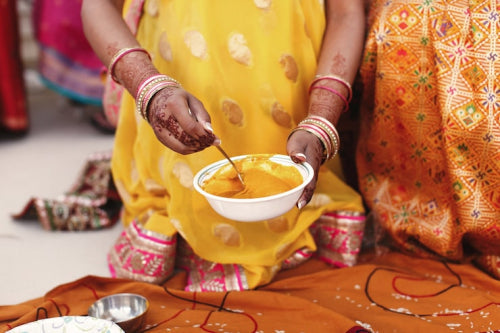
In an era when global supply chains often prioritize efficiency over authenticity, the role of artisans in preserving heritage crafts stands out as a powerful counterforce. Across India's diverse regions, traditional techniques remain vibrant because skilled makers continue to pass them down while adapting to modern needs. This living tradition ensures that crafts like intricate embroidery, pottery, and weaving stay relevant rather than becoming relics of the past.
Fast fashion erodes cultural heritage, sidelining artisans and reducing traditions to trends. At IndieHaat, we champion India's craftspeople with handcrafted sarees, apparel, décor, and skincare rooted in authenticity. Each piece embodies skill and ethical care. Support artisans and preserve India's timeless legacy Shop Now!
The Enduring Power of Skill and Tradition
At the heart of every preserved craft lies the artisan's deep connection to their ancestor's methods. From intricate decorative techniques to traditional textile and artistic practices, these skills require years of dedication and cultural knowledge. Artisans today treat their work as both a profession and a responsibility, ensuring that techniques evolve without losing their essence.
This commitment creates a bridge between generations. Young people see their elders working and feel the pride of carrying forward something meaningful. The result is a cultural continuity that few mass-produced items can match. By keeping these traditions alive, artisans protect not only the methods but the very spirit of craftsmanship.
Why This Matters Beyond the Workbench
Heritage crafts carry stories of landscapes, festivals, and community life. When artisans maintain these skills, they safeguard that narrative for future audiences. Every thread, carving, or handcrafted detail tells part of a cultural story, and preserving it keeps identity strong in a world increasingly shaped by uniform global trends.
Real Stories of Artisans Bringing Crafts to Life
Across different regions, artisans are finding new ways to transform traditional skills into sustainable livelihoods. One example highlights how traditional craft preservation can support both cultural continuity and economic opportunity. A young Tibetan entrepreneur developed a model around centuries-old filigree thangka craft in Qinghai province, helping local herders and artisans create income opportunities while protecting traditional techniques. The initiative combines community training, tourism connections, and digital promotion to help handcrafted products reach wider audiences. This example of tibetan artisans building livelihoods through traditional craft shows how heritage preservation can become a pathway for resilient local economies.
The model also addresses practical challenges faced by artisans, including difficult working conditions, seasonal demand changes, and limited market access. By creating local workshops, providing training in craft techniques, and supporting digital marketing efforts, communities can maintain traditional knowledge while adapting to modern consumer expectations.
Cross-regional Exchanges That Breathe New Life Into Traditions
Traditional crafts continue to evolve through collaboration and creative exchange. Cross-regional initiatives bring together artisans, performers, and makers who share techniques while developing new interpretations of heritage practices. These collaborations demonstrate that preserving culture does not mean keeping traditions unchanged; instead, it allows them to grow while maintaining their original character.
Examples of heritage crafts evolving through cultural exchanges show how artists and craftspeople combine regional techniques, materials, and storytelling approaches to create fresh opportunities. Such exchanges encourage youth participation, expand market possibilities, and help traditional crafts remain relevant for future generations.
Challenges Artisans Face and How Communities Overcome Them
Several obstacles test the resilience of traditional crafts. Harsh working conditions, seasonal fluctuations in demand, and limited access to modern distribution channels can strain even the most dedicated makers. Community-based solutions, training programs, and digital tools help artisans overcome these barriers while maintaining the authenticity of their work.
Digital platforms, short-form content, and online promotion have become valuable tools for connecting artisans with broader audiences. These approaches allow makers to share their stories, demonstrate their skills, and build sustainable relationships with customers.
The Benefits of Supporting Local Artisans Every Day
When consumers choose handmade products, they invest directly in the lives of those who create them. Stable income improves family stability and encourages younger generations to continue traditional practices. Artisans gain recognition for their expertise, strengthening communities built around craftsmanship.
Beyond economics, supporting local artisans strengthens cultural connections. Children learn traditional skills, families gain new opportunities, and entire regions develop a shared identity around their crafts.
Why Heritage Crafts Still Matter in the Modern World
Today's consumers increasingly seek authenticity and meaning in their purchases. Mass-produced goods often lack the personal connection found in handcrafted items, while artisan products carry stories, techniques, and human creativity that cannot be replicated.
The fusion of traditional knowledge with modern approaches continues to open new possibilities. Artisans experiment with sustainable materials, digital tools, and wider markets while staying connected to their cultural roots.
Practical Steps to Help Preserve Heritage Crafts
Consumers can support heritage crafts by choosing products from artisan-focused platforms, learning about traditional techniques, and sharing the stories behind handmade creations. Every purchase and conversation helps create stronger demand for authentic craftsmanship.
Local artisans keep heritage crafts alive through their dedication, innovation, and community spirit. Their work reminds us that cultural richness comes from the hands that create it and the stories it tells. By recognizing and supporting these makers, we all play a part in ensuring India's heritage crafts remain vibrant, meaningful, and relevant for generations ahead.
Frequently Asked Questions
How do local artisans help preserve heritage crafts?
Local artisans preserve heritage crafts by passing traditional techniques, skills, and cultural knowledge from one generation to the next. Their handmade work keeps important artistic practices alive while allowing communities to maintain their cultural identity.
Why are handmade heritage crafts important in modern times?
Handmade heritage crafts provide a connection to cultural stories, traditional methods, and the communities that create them. Unlike mass-produced goods, artisan products carry unique craftsmanship and personal meaning that appeal to consumers seeking authenticity.
How can consumers support local artisans and traditional crafts?
Consumers can support local artisans by purchasing handmade products, learning about traditional crafts, and choosing platforms that connect directly with makers. These actions help create sustainable opportunities while encouraging future generations to continue heritage craftsmanship.
Disclaimer: The above helpful resources content contains personal opinions and experiences. The information provided is for general knowledge and does not constitute professional advice.
You may also be interested in: How IndieHaat Supports Local Artisans: Empowering Indias Craft
Fast fashion erodes cultural heritage, sidelining artisans and reducing traditions to trends. At IndieHaat, we champion India's craftspeople with handcrafted sarees, apparel, décor, and skincare rooted in authenticity. Each piece embodies skill and ethical care. Support artisans and preserve India's timeless legacy Shop Now!
Powered by flareAI.co