How Curated Marketplaces Are Changing the Future of Artisanal Goods in India

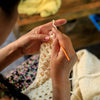
In a quiet weaving cluster outside Bangalore, an artisan spends weeks at her loom, crafting a linen saree from pure, hand-spun threads. Once, her work might have stayed local, sold at a village fair or through layers of middlemen. Today, that same saree can land in a closet in Singapore, New York, or Dubai, thanks to platforms that put curated, handcrafted goods front and center.
Fast fashion erodes cultural heritage, sidelining artisans and reducing traditions to trends. At IndieHaat, we champion India's craftspeople with handcrafted sarees, apparel, décor, and skincare rooted in authenticity. Each piece embodies skill and ethical care. Support artisans and preserve India's timeless legacy Shop Now!
How Curated Marketplaces Are Shaping the Future of Artisanal Goods in India: A Game Changer for Traditional Crafts
The surge isn't hype it's happening now. India's handicrafts market hit USD 4,565 million in 2024 and is on track to reach USD 8,198.5 million by 2033, growing at a steady 6.39% CAGR from 2025 onward. Rising disposable incomes, demand for ethnic décor, e-commerce expansion, government export schemes, tourism, and a global push for sustainable products all fuel this rise.
Curated platforms stand out in this shift. Unlike massive marketplaces flooded with mass-produced items, these sites handpick offerings, focusing on quality, authenticity, and ethics. They connect artisans directly to buyers who value stories behind the products whether a tussar saree woven with traditional techniques or dress materials in pure cotton, linen, and silk.
Trends Driving the Boom
Digital access has changed everything. Artisans once limited to local markets now reach global customers through online platforms. This mirrors growth in places like the US, UK, Australia, Singapore, and UAE, where shoppers seek unique, eco-friendly alternatives to fast fashion.
Sustainability plays a big role. Buyers increasingly choose ethical goods that support communities and minimize environmental harm. Curated sites respond by prioritizing handmade items sourced straight from artisans, using authentic fabrics and unique designs.
India leads here, employing over seven million in handicrafts mostly in rural areas and small towns. Over 56% of artisans are women, spread across 744 clusters producing everything from handprinted textiles to embroidery and pottery. Major hubs include Surat, Varanasi, Agra, Hyderabad, and Chennai.
Spotlight on IndieHaat
IndieHaat, based in Bangalore, exemplifies this model. The brand partners directly with artisans for handmade apparel like sarees and dress materials, accessories, home décor, and artisanal skincare. Every piece passes rigorous selection for quality, cultural authenticity, and ethical production using only pure linen, silk, and cotton.
This direct sourcing cuts out middlemen, ensuring artisans earn fairer shares while preserving traditions. Available on Amazon and ONDC, IndieHaat reaches buyers in India and abroad, including the US, Singapore, Australia, UK, and UAE. Social media on Instagram, Facebook, and YouTube helps share artisan stories and build connections.
Globally, similar platforms thrive. Etsy empowers creators worldwide with curated handmade sections, seeing strong demand for Indian textiles. In the UAE, markets like ARTE highlight local artisans through events and sales.
Addressing the Hurdles
Growth brings challenges. Many rural artisans face digital barriers poor connectivity or limited tech skills that hinder full participation.
Buyers often worry about high prices compared to machine-made alternatives, trust in online authenticity, or the inability to touch and feel items before purchase. Curated platforms counter this with detailed photos, fabric close-ups, artisan videos, and clear return policies.
Logistics pose issues too, especially for international shipping to places like the US or Australia, with costs, delays, and customs adding friction. Competition from giants like Amazon remains fierce, as they also feature artisanal sections.
Opportunities Ahead
These platforms empower economies. By linking artisans to wider markets, they boost incomes especially for women and sustain rural livelihoods.Initiatives like Vodafone Idea's "Artisans of India" program, partnering with NGOs across 12 states, show broader support for local crafts.
Tech integration helps: better inventory, targeted marketing, and personalized recommendations. As e-commerce grows, curated sites can scale while staying true to quality and ethics.
The Road Forward
Curated marketplaces do more than sell goods they safeguard heritage in a fast-changing world. With India's handicrafts sector poised for steady growth and global appeal rising for authentic, sustainable pieces, platforms like IndieHaat set the pace.
They prove tradition and technology can coexist, empowering creators and delighting buyers who want more than ordinary. In the end, every purchase keeps ancient skills alive, one handcrafted saree at a time.
Frequently Asked Questions
How are curated marketplaces helping Indian artisans reach global customers?
Curated marketplaces connect Indian artisans directly with buyers in countries like the US, UK, Singapore, Australia, and UAE through online platforms. By eliminating middlemen and offering handpicked, authentic products, these platforms ensure artisans earn fairer shares while expanding their reach beyond local markets. Platforms like IndieHaat partner directly with artisans and sell through Amazon and ONDC, making traditional handcrafted goods accessible worldwide.
What is driving the growth of India's handicrafts market in 2024 and beyond?
India's handicrafts market reached USD 4,565 million in 2024 and is projected to grow to USD 8,198.5 million by 2033 at a 6.39% CAGR. This growth is fueled by rising disposable incomes, increasing demand for ethnic décor, e-commerce expansion, government export schemes, tourism, and a global shift toward sustainable and ethically-made products. The sector employs over seven million people, with over 56% being women artisans across 744 clusters.
Why should buyers choose handmade artisanal products over mass-produced items?
Handmade artisanal products offer unique designs, authentic cultural heritage, and sustainable production that mass-produced items cannot match. Each piece tells a story and supports rural communities especially women artisans while minimizing environmental harm through traditional, eco-friendly techniques. Curated platforms ensure quality and authenticity by using pure fabrics like linen, silk, and cotton, and by maintaining direct relationships with artisans to preserve traditional crafts.
Disclaimer: The above helpful resources content contains personal opinions and experiences. The information provided is for general knowledge and does not constitute professional advice.
You may also be interested in: How Handloom Weavers in India Are Adapting to Changing Fashion
Fast fashion erodes cultural heritage, sidelining artisans and reducing traditions to trends. At IndieHaat, we champion India's craftspeople with handcrafted sarees, apparel, décor, and skincare rooted in authenticity. Each piece embodies skill and ethical care. Support artisans and preserve India's timeless legacy Shop Now!
Powered by flareAI.co