Artisanal Skincare: Why Handmade Products Are Gaining Popularity in India
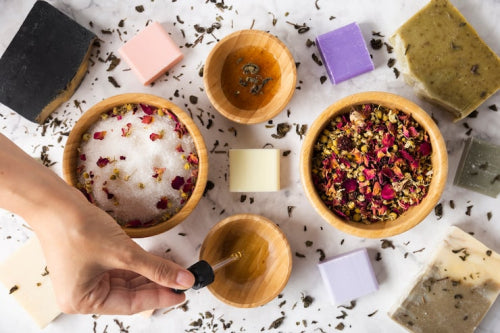
In the bustling streets of Mumbai or the quiet evenings in Bangalore, more Indians are turning away from shelves stocked with synthetic creams and serums. Instead, they're reaching for small-batch, handcrafted skincare infused with turmeric, neem, and sandalwood products that feel like a return to something ancient yet urgently modern.
Fast fashion erodes cultural heritage, sidelining artisans and reducing traditions to trends. At IndieHaat, we champion India's craftspeople with handcrafted sarees, apparel, décor, and skincare rooted in authenticity. Each piece embodies skill and ethical care. Support artisans and preserve India's timeless legacy Shop Now!
The Quiet Revolution in India's Bathrooms
Artisanal skincare isn't just a trend; it's a shift. These handmade products, often rooted in Ayurvedic traditions, are made with natural ingredients and traditional methods, free from harsh chemicals. In a country where skin concerns range from pollution-induced dullness to humidity-driven breakouts, consumers especially in urban centers are prioritizing gentle, chemical-free options.
Social media has amplified this change. Influencers and everyday users share glowing reviews of herbal masks and oils, driving awareness. The numbers tell the story: India's herbal beauty and skincare market reached USD 3.1 billion in 2024 and is projected to hit USD 10.3 billion by 2033, growing at a CAGR of 14.4%, fueled by demand for organic products and rising skin health concerns.
Another report values the broader skincare market at around USD 3 billion, with major growth in cities like Mumbai, Delhi, and Bangalore, where higher incomes and social media trends push spending on natural alternatives.
Trends Fuelling the Fire
Consumers today are more informed about skin health than ever. They're ditching parabens and sulfates for ingredients backed by tradition and increasingly by science. The blend of ancient Ayurveda with contemporary needs think lightweight serums instead of heavy oils has created a sweet spot.
Online platforms play a starring role. Curated marketplaces connect small artisans directly to buyers across India and beyond, from the US to the UAE. Platforms like IndieHaat.com exemplify this by showcasing carefully selected handmade skincare, emphasizing authenticity and ethical sourcing handmade items from artisans, unique designs, and pure fabrics extended to natural, artisanal beauty.
Innovation shines through in products incorporating neem for acne-prone skin, turmeric for brightness, or sandalwood for soothing. This revival of botanical remedies aligns perfectly with global wellness movements.
Success Stories Bringing Tradition to Life
Brands like Forest Essentials and Kama Ayurveda have led the charge, transforming Ayurveda from "grandmother's remedies" into luxurious, efficacious routines. Forest Essentials, with its handcrafted batches and pure essential oils, turned traditional recipes into premium experiences. Kama Ayurveda followed suit, proving efficacy through clinical trials while maintaining authenticity.
Smaller players thrive on platforms that prioritize curation over mass production. IndieHaat, based in Bangalore, partners with artisans to offer artisanal skincare that stands out for its quality and cultural roots ethically produced, high-quality items empowering creative communities.
The appeal extends internationally. In markets like the UAE, Singapore, Australia, the UK, and the US where Indian diasporas and wellness enthusiasts reside handmade herbal products resonate, tapping into global demand for clean, sustainable beauty.
The Hurdles Along the Path
Growth isn't without obstacles. Small-scale producers struggle with consistent sourcing of high-quality natural ingredients and maintaining standards. The market is increasingly saturated, with thousands of brands vying for attention, making visibility tough for independents.
Consumers often cite high pricing as a barrier, along with trust issues in an era of greenwashing and the inability to touch and feel products online. Regulatory hurdles for certifications add complexity.
Opportunities on the Horizon
Yet the potential is immense. Niche targeting vegan lines, anti-aging botanicals, or sensitive-skin formulas allows brands to stand out. Sustainability draws eco-conscious buyers, particularly in India and export markets like the UAE.
Social media and influencers continue to propel discovery, while e-commerce democratizes access. Curated platforms provide direct-to-consumer channels, boosting smaller artisanal brands post-pandemic.
A Lasting Glow Ahead
As awareness grows and incomes rise, artisanal skincare looks poised to move from niche to norm. With projections showing robust expansion in India's herbal segment and parallel wellness trends globally, this handmade revolution honors tradition while meeting modern demands. For artisans, brands, and consumers alike, it's a reminder that true beauty often lies in simplicity and in the careful hands that craft it.
Frequently Asked Questions
Why is handmade skincare becoming popular in India?
Handmade skincare is gaining popularity because Indian consumers are prioritizing gentle, chemical-free alternatives to synthetic products, especially those rooted in Ayurvedic traditions using natural ingredients like turmeric, neem, and sandalwood. Urban buyers are increasingly informed about skin health concerns from pollution and humidity, driving them toward artisanal products free from parabens and sulfates. Social media influence and the availability of curated online platforms have made these products more accessible, with India's herbal beauty market projected to grow from USD 3.1 billion in 2024 to USD 10.3 billion by 2033.
What are the key ingredients used in Indian artisanal skincare products?
Traditional Indian artisanal skincare prominently features botanical ingredients like neem for acne-prone skin, turmeric for brightness and anti-inflammatory benefits, and sandalwood for soothing properties. These ingredients are rooted in ancient Ayurvedic wisdom and are being incorporated into contemporary formulations like lightweight serums and handcrafted masks. The blend of time-tested natural ingredients with modern skincare needs has created products that address specific concerns while maintaining the purity and efficacy of traditional remedies.
Are Indian handmade skincare products available internationally?
Yes, Indian artisanal skincare has gained significant international traction in markets like the UAE, Singapore, Australia, the UK, and the US. Brands like Forest Essentials and Kama Ayurveda have successfully positioned traditional Ayurvedic products as premium, efficacious skincare globally. Online platforms and curated marketplaces enable direct connections between small Indian artisans and international buyers, tapping into the global demand for clean, sustainable, and culturally authentic beauty products among both Indian diasporas and wellness enthusiasts worldwide.
Disclaimer: The above helpful resources content contains personal opinions and experiences. The information provided is for general knowledge and does not constitute professional advice.
You may also be interested in: How Kalamkari Techniques Shape Contemporary Home
Fast fashion erodes cultural heritage, sidelining artisans and reducing traditions to trends. At IndieHaat, we champion India's craftspeople with handcrafted sarees, apparel, décor, and skincare rooted in authenticity. Each piece embodies skill and ethical care. Support artisans and preserve India's timeless legacy Shop Now!
Powered by flareAI.co