
Handloom Textiles as a Reflection of India's Rural Livelihoods
Quick Listen:
In the sunlit villages of India, where the rhythmic clack of looms echoes through narrow lanes, handloom textiles tell stories far richer than mere fabric patterns. These threads bind generations, sustain rural families, and quietly power local economies while capturing the imagination of conscious consumers worldwide. For professionals and businesses seeking authentic, sustainable supply chains, understanding handloom textiles offers not just cultural appreciation but real opportunities for meaningful impact.
Fast fashion erodes cultural heritage, sidelining artisans and reducing traditions to trends. At IndieHaat, we champion India's craftspeople with handcrafted sarees, apparel, décor, and skincare rooted in authenticity. Each piece embodies skill and ethical care. Support artisans and preserve India's timeless legacy Shop Now!
Threads that Bind: The Heart of Rural India
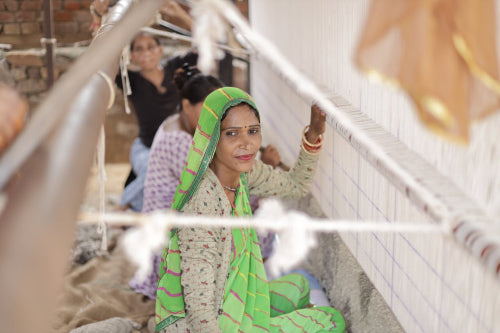
Handloom weaving is more than a craft in India it is a lifeline for countless rural communities. Across states like Uttar Pradesh, Tamil Nadu, and West Bengal, entire families and villages depend on this traditional skill for their daily bread. The process preserves ancient techniques passed down through centuries, blending artistry with functionality in every saree, shawl, or fabric roll that carries the unique imprint of the weaver's hands.
What makes handloom special is its deeply human element. Unlike mechanised production, each piece carries subtle variations in texture and colour that speak of individuality and care. For businesses investing in culturally rooted products, this authenticity resonates powerfully with today's consumers who crave genuine connection in an increasingly digital and mass-produced world.
Revival and Renaissance: Emerging Trends in Handloom Textiles
India's handloom sector is experiencing a quiet but powerful revival. Government initiatives through the Ministry of Textiles have strengthened clusters of artisans, providing training, market linkages, and policy support that help weavers reach beyond local haats to national and international buyers. Regional crafts once at risk of fading are now finding fresh expression through contemporary designs that honour their heritage.
Digital marketplaces are transforming access for both producers and consumers. Platforms connecting weavers directly with buyers in metropolitan cities and abroad have reduced middlemen and improved earnings for artisans. In parallel, the global appetite for sustainable fashion has boosted interest in handloom products. Consumers in markets like the US, UK, Australia, Singapore, and the UAE increasingly seek ethically sourced textiles that support real people and communities rather than anonymous factories.
Skill development programmes run by NGOs and educational institutions are equipping younger artisans with business acumen alongside traditional techniques. This blend of heritage and modernity ensures the craft remains relevant while opening new avenues for entrepreneurship in rural India. One notable example is the growing collaboration between cultural institutions and telecom players to showcase local crafts across multiple states.
Stories from the Loom: Real-World Successes
In Varanasi, cooperative handloom clusters have leveraged targeted support to supply exquisite silk brocades and sarees to luxury boutiques in the UK and UAE. These weavers have maintained their signature motifs while adapting to contemporary colour palettes and styling preferences demanded by global clients.
Indian handloom brands have forged successful partnerships with retailers in Singapore, creating niche export channels for everything from home furnishings to fashion accessories. These collaborations highlight how cultural products can thrive when traditional quality meets modern presentation and marketing expertise.
Australian fashion houses have incorporated limited-edition Indian handloom fabrics into their sustainable collections, appealing to consumers who value provenance and environmental responsibility. Individual weavers-turned-entrepreneurs in rural clusters are also emerging as inspiring success stories, using social media and direct-to-consumer models to share their craft's narrative and build loyal customer bases across borders.
Challenges Facing Handloom Artisans
Despite the resurgence, handloom artisans continue to navigate significant hurdles. Competition from power looms and imported fabrics often squeezes margins, making steady income security elusive for many families. The painstaking nature of hand work, while its greatest strength, also limits production volume compared to mechanised alternatives.
Younger generations frequently migrate to cities in search of steadier opportunities, leading to a gradual loss of traditional skills that have defined communities for generations. Many rural producers also struggle with market access navigating export procedures, building digital literacy, and developing consistent supply chain infrastructure. Even discerning buyers in premium markets sometimes hesitate due to price points that truly reflect the cost of artisanal labour and premium materials.
Opportunities in a Conscious Global Market
The rising preference for authentic, sustainable products presents tremendous potential for handloom textiles in India. Niche international markets increasingly celebrate handloom as a premium offering rather than a commodity. Technology is playing a supportive role through digital storytelling, which allows weavers to share their processes and heritage directly with customers, while traceability tools enhance trust and perceived value.
Public-private partnerships are creating efficiencies at scale, helping artisan collectives improve quality consistency, design innovation, and logistics. The economic ripple effects are profound: every strengthened handloom enterprise supports not just the primary weaver but also ancillary workers in dyeing, spinning, and finishing, while preserving cultural identity that enhances India's global soft power.
Handloom's natural alignment with upcycled fashion trends offers exciting possibilities. The process typically generates minimal waste and relies on natural fibres and time-honoured methods that respect the environment. Businesses integrating handloom into their offerings can effectively tap into consumer desire for circular economy principles.
Integrating Tradition with Modern Sustainability
Handloom textiles embody sustainability in its most practical form. By transforming natural materials through skilled human effort rather than industrial scale, they minimise environmental impact while maximising cultural and economic value. This approach connects seamlessly with broader movements toward conscious consumption and responsible production.
Companies exploring upcycled fashion find natural synergy with handloom traditions, where creativity transforms materials into products of higher value and meaning. Whether through direct sourcing partnerships or collaborative collections, there are practical ways for businesses to support rural livelihoods while meeting evolving market expectations for ethical and eco-friendly choices.
Building a Sustainable Future for Rural Livelihoods
For professionals and enterprises looking to engage with India's handloom sector, success lies in thoughtful partnership and patience. Direct engagement with artisan clusters, investment in capacity building, and transparent storytelling create value that extends far beyond single transactions. When businesses prioritise fair compensation, skill preservation, and cultural respect, they contribute to resilient rural economies that benefit entire communities.
The future of handloom textiles depends on collective action supportive government policies, corporate responsibility, growing consumer awareness, and continuous artisan innovation working together. By choosing handloom, we do not merely purchase fabric; we invest in human stories, traditional knowledge, and sustainable development that strengthens the very fabric of rural India.
As interest in authentic craftsmanship continues to grow worldwide, India's handloom weavers stand ready with looms humming and traditions proudly intact. Their work reminds us that some of the most powerful innovations are actually timeless practices, thoughtfully adapted for today's conscious consumers. Supporting these artisans represents smart, values-driven business that delivers beauty, superior quality, and lasting positive impact in equal measure.
India's rich handicrafts tradition, encompassing everything from handprinted textiles to embroidered goods, continues to evolve while staying rooted in the communities that have nurtured these skills for centuries. For businesses ready to embrace this heritage, the rewards extend well beyond profit to include meaningful contribution to rural livelihoods and cultural preservation.
Frequently Asked Questions
How do handloom textiles support rural livelihoods in India?
Handloom textiles are a vital economic lifeline for rural communities across states like Uttar Pradesh, Tamil Nadu, and West Bengal, where entire families depend on traditional weaving for their income. Each handwoven piece preserves centuries-old techniques while providing employment not just for weavers, but also for ancillary workers in dyeing, spinning, and finishing. Government initiatives through the Ministry of Textiles have strengthened artisan clusters by offering training, market linkages, and policy support, helping weavers access national and international markets.
Why are Indian handloom textiles considered sustainable and eco-friendly?
Indian handloom textiles are inherently sustainable because they rely on natural fibres, skilled human effort, and time-honoured methods that generate minimal waste making them a natural fit for circular economy and upcycled fashion movements. Unlike mechanised or power-loom production, handweaving avoids large-scale industrial processes, significantly reducing environmental impact. Businesses integrating handloom into their supply chains can authentically align with conscious consumer demand for ethically sourced, eco-friendly textiles.
What are the biggest challenges facing India's handloom artisans today?
Handloom artisans face stiff competition from power looms and imported fabrics that undercut pricing and squeeze margins, making consistent income difficult for many rural families. Younger generations are increasingly migrating to cities, causing a gradual erosion of traditional skills passed down over centuries. Additionally, many weavers struggle with limited digital literacy, complex export procedures, and inadequate supply chain infrastructure, though digital marketplaces and public-private partnerships are helping bridge these gaps.
Disclaimer: The above helpful resources content contains personal opinions and experiences. The information provided is for general knowledge and does not constitute professional advice.
You may also be interested in: Unveiling the Enchantment of Ilkal Sarees: Where Tradition Meets Elegance
Fast fashion erodes cultural heritage, sidelining artisans and reducing traditions to trends. At IndieHaat, we champion India's craftspeople with handcrafted sarees, apparel, décor, and skincare rooted in authenticity. Each piece embodies skill and ethical care. Support artisans and preserve India's timeless legacy Shop Now!
Powered by flareAI.co