
Evolution of Traditional Indian Clothing
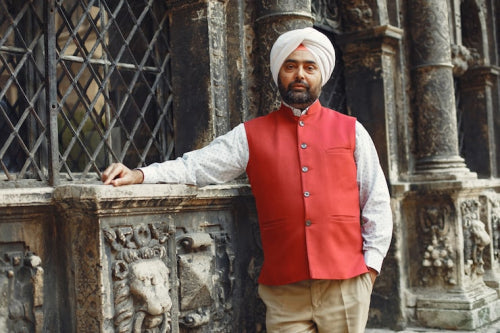
In a bustling market in Jaipur, a weaver threads vibrant silk through a handloom, crafting a saree that tells a story centuries old. Each fold, each dye, each intricate motif carries the weight of India's ancient textile legacy a legacy that has draped emperors, adorned brides, and now struts down global runways. Traditional Indian clothing isn't just fabric; it's a living archive of culture, resilience, and reinvention. How did these timeless weaves evolve from ancient looms to modern wardrobes, and what keeps them relevant in a world chasing fast fashion?
Fast fashion erodes cultural heritage, sidelining artisans and reducing traditions to trends. At IndieHaat, we champion India's craftspeople with handcrafted sarees, apparel, décor, and skincare rooted in authenticity. Each piece embodies skill and ethical care. Support artisans and preserve India's timeless legacy Shop Now!
The Ancient Weaves: A Tapestry of Heritage
India's textile tradition stretches back over 5,000 years, rooted in the Indus Valley Civilization, where cotton was spun into fine threads. The Vedas, ancient sacred texts, describe flowing garments like dhotis and sarees, draped with elegance and purpose. By the Mughal era, opulent silks and brocades adorned royalty, their intricate zari work shimmering with gold and silver threads. Every region spun its own story: the gossamer sarees of South India, woven with temple motifs; the vibrant phulkari of Punjab, embroidered with floral exuberance; the tie-dye bandhani of Gujarat and Rajasthan, bursting with color. Cotton symbolized simplicity, silk signified luxury, and khadi hand-spun, handwoven became a quiet rebellion against mechanized imports.
These weren't just clothes. Fabrics carried meaning. A Kanjeevaram saree, with its heavy silk and gold borders, signaled a bride's new journey. A simple khadi kurta spoke of self-reliance. This diversity, born of India's vast geography and culture, laid the foundation for a sartorial legacy that refused to fade.
Colonial Shifts and Cultural Resilience
The British colonial era brought tailored silhouettes and Western influences, reshaping Indian wardrobes. Structured blouses replaced loosely draped cholis for sarees. Sherwanis, once flowing tunics, adopted sharper cuts inspired by British coats. Yet, even as mills churned out machine-made fabrics, Indian handlooms held their ground. Artisans, fiercely protective of their craft, continued to weave Banarasis and Chanderis, preserving techniques passed down through generations. Khadi, championed by Gandhi as a symbol of self-sufficiency, became the uniform of India's freedom struggle, its rough texture a defiant middle finger to colonial imports.
This era wasn't without loss. Industrialization threatened to drown out the rhythmic clack of handlooms. But India's weavers adapted, blending tradition with innovation. The result? Hybrid styles like Indo-Western kurtas, which paired traditional embroidery with tailored fits, proving that Indian fashion could evolve without losing its soul.
Modern Revival: Tradition Meets Trend
Fast forward to today, and traditional Indian clothing is having a moment. The global push for sustainability has thrust handwoven textiles into the spotlight. Designers are reimagining khadi as sleek jackets, pairing sarees with leather belts, and styling lehengas with crop tops. Indian fashion is no longer confined to weddings or festivals; it's on red carpets and in boardrooms. Platforms like IndieHaat are fueling this revival, connecting urban consumers with artisans who weave, dye, and embroider by hand. A handwoven saree from a small village in Odisha can now land in a New York closet, thanks to e-commerce.
This fusion isn't just aesthetic it's cultural. Young designers are digging into their roots, reviving forgotten weaves like Paithani and Maheshwari. On international runways, Indian textiles are stealing the show, with designers like Sabyasachi and Anita Dongre showcasing sarees and anarkalis to global applause. The modern Indian consumer, too, is embracing this blend: a college student might pair a block-printed kurta with jeans, while a corporate executive drapes a handwoven saree for a board meeting. It's tradition, remixed.
Real-World Impact: From Artisans to Icons
Celebrities are amplifying this resurgence. When a Bollywood star dons a handwoven Banarasi at Cannes, it's not just fashion it's a statement. Khadi, once the fabric of revolutionaries, now graces high-end boutiques, its earthy texture reimagined in flowing dresses and tailored suits. Artisans, too, are finding new life through platforms like IndieHaat. A weaver in Varanasi, once struggling to sell her sarees locally, now ships globally, her craft celebrated by customers who value authenticity over mass production.
Take khadi's journey: popularized by Gandhi in the 1920s as a tool of economic resistance, it's now a darling of sustainable fashion. Designers like Rahul Mishra have spun khadi into collections that blend rustic charm with couture finesse. This isn't just nostalgia; it's a movement. Digital platforms are empowering small-town artisans, giving them a global stage and fairer wages. The result? A craft that was once at risk is now a symbol of ethical luxury.
Challenges: Preserving the Past, Embracing the Future
Yet, the path isn't smooth. Machine-made replicas flood markets, undercutting authentic handlooms with cheaper prices. A handwoven saree might take weeks to craft, while a factory can churn out a knockoff in hours. Skilled artisans are dwindling, too many young weavers are leaving for urban jobs, lured by better pay. Balancing cultural authenticity with modern tastes is another tightrope. How do you make a 5,000-year-old tradition appeal to a Gen Z shopper scrolling Instagram?
The answer lies in innovation. Artisans are experimenting with lighter weaves, contemporary patterns, and eco-friendly dyes to stay relevant. Platforms like IndieHaat play a crucial role, curating authentic pieces while telling the stories behind them. It's not just about selling a saree; it's about selling the weaver's legacy, the village's history, the craft's soul.
Opportunities: A Global Stage for Indian Craft
The world is waking up to sustainable fashion, and India's handlooms are perfectly poised to lead. Consumers, burned by fast fashion's environmental toll, are seeking ethical alternatives. Indian textiles, with their low-carbon footprint and artisanal roots, fit the bill. E-commerce platforms are bridging the gap, turning niche markets into global opportunities. IndieHaat, for instance, isn't just a store it's a cultural ambassador, showcasing India's weaves to a world hungry for authenticity.
This shift empowers artisans, too. Digital marketplaces provide fair wages and exposure, helping weavers and embroiderers sustain their craft. Export potential is soaring Indian textiles are finding fans in Europe, the U.S., and beyond. Collaborations with international designers are also on the rise, blending Indian motifs with global silhouettes. The future? A world where a handwoven kurta is as coveted as a designer handbag.
A Timeless Thread
India's traditional clothing is more than fashion it's a dialogue between past and present. From the ancient looms of Varanasi to the runways of Paris, these fabrics carry stories of resilience, creativity, and identity. As the world leans toward sustainability, India's handlooms offer a blueprint: beauty that endures, craft that empowers, tradition that evolves. Platforms like IndieHaat are weaving this legacy into the digital age, ensuring that every saree, kurta, and lehenga tells a story worth hearing. So, the next time you drape a handwoven fabric, remember: you're not just wearing a garment. You're wearing history. Support the artisans, embrace the craft, and keep the thread alive.
Frequently Asked Questions
How has traditional Indian clothing evolved from ancient times to modern fashion?
Traditional Indian clothing has evolved from its 5,000-year-old roots in the Indus Valley Civilization through significant transformations during the Mughal era, colonial period, and modern revival. While ancient garments like sarees and dhotis maintained their basic draping styles, they've adapted to include structured blouses, tailored fits, and contemporary styling. Today, traditional pieces are being reimagined for global runways and everyday wear, with designers creating Indo-Western fusion styles that blend heritage craftsmanship with modern aesthetics.
What challenges do traditional Indian handloom artisans face in preserving their craft?
Traditional handloom artisans face multiple challenges including competition from machine-made replicas that undercut prices, declining skilled workforce as young weavers migrate to urban jobs, and the struggle to balance cultural authenticity with modern consumer preferences. A handwoven saree can take weeks to craft while factories produce knockoffs in hours, making it difficult for artisans to compete on price alone. However, digital platforms and the growing demand for sustainable, ethical fashion are creating new opportunities for authentic handwoven textiles.
Why are traditional Indian textiles gaining popularity in sustainable fashion?
Traditional Indian textiles are becoming popular in sustainable fashion because of their low-carbon footprint, artisanal production methods, and authenticity that contrasts with fast fashion's environmental impact. Handwoven fabrics like khadi, once symbols of India's freedom struggle, are now celebrated as eco-friendly alternatives by consumers seeking ethical fashion choices. The global shift toward sustainability has positioned Indian handlooms perfectly, with e-commerce platforms connecting artisans directly to international markets hungry for authentic, responsibly-made clothing.
Disclaimer: The above helpful resources content contains personal opinions and experiences. The information provided is for general knowledge and does not constitute professional advice.
You may also be interested in: History of Sarees in India: 5,000 Years of Elegance – Indiehaat.com
Fast fashion erodes cultural heritage, sidelining artisans and reducing traditions to trends. At IndieHaat, we champion India's craftspeople with handcrafted sarees, apparel, décor, and skincare rooted in authenticity. Each piece embodies skill and ethical care. Support artisans and preserve India's timeless legacy Shop Now!
Powered by flareAI.co