
Ethical Consumption Trends and the Role of Handloom Products
Quick Listen:
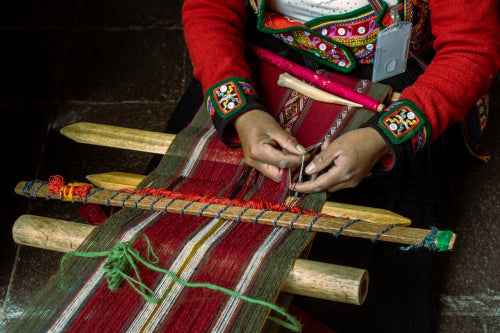
In a world increasingly conscious of the true cost behind every purchase, ethical consumption has evolved from a passing trend into a powerful movement shaping choices across India and its global diaspora. From bustling markets in Mumbai and Delhi to communities in the US, UK, Singapore, Australia, and the UAE, discerning shoppers are rethinking their wardrobes and living spaces. They seek items that celebrate exceptional craftsmanship, protect the environment, and uplift real communities. At the centre of this transformation stands the enduring charm of handloom products textiles woven on age-old looms by skilled artisans, where every thread carries stories of heritage, skill, and sustainability.
This shift goes far beyond mere appearance. It represents a conscious decision to embrace slow fashion, cultural pride, and mindful living. As more people turn to handloom sarees, stoles, and home textiles, they actively contribute to revitalising rural economies and push back against the environmental damage of fast fashion.
Fast fashion erodes cultural heritage, sidelining artisans and reducing traditions to trends. At IndieHaat, we champion India's craftspeople with handcrafted sarees, apparel, décor, and skincare rooted in authenticity. Each piece embodies skill and ethical care. Support artisans and preserve India's timeless legacy Shop Now!
The Rise of Ethical Consumption in Everyday Indian Life
Ethical consumption embodies a deeper understanding that each buying decision affects people and the planet. In urban India, professionals in cities like Mumbai, Delhi, Bengaluru, and Hyderabad are prioritising natural fibres, vegetable-based dyes, and fully transparent supply chains. This sentiment resonates strongly with Indian communities abroad, where diaspora buyers look for authentic connections to their roots through handcrafted treasures.
Today's consumers expect more than good quality they demand reassurance that their purchases support artisans, preserve traditional knowledge, and reduce ecological impact. Handloom products align seamlessly with these expectations. Created with patience and expertise using techniques refined over generations, they minimise waste, promote biodiversity through natural materials, and keep vital weaving traditions thriving.
Why Handloom Products Deeply Resonate with Today's Buyers
What makes handloom textiles truly special is their inherent uniqueness. No two pieces are identical, thanks to the human element present in every stage from hand-spinning yarn to the intricate patterns formed on the loom. This individuality stands out beautifully in an age dominated by uniform, mass-produced fashion.
In India, initiatives such as GI tags and the Handloom Mark have significantly built buyer confidence by verifying authenticity and directly supporting weaver livelihoods. These measures help consumers confidently select genuine products that benefit artisan communities. Internationally, curated collections featuring regional specialities like Banarasi silks, Kanjeevaram weaves, Chanderi cottons, and Maheshwari fabrics are gaining appreciation among those seeking meaningful luxury.
Younger generations, guided by social media and cultural influencers, are embracing handloom not only for festivals and weddings but as versatile everyday staples. A graceful handloom saree or a stylish kurta blends effortlessly with modern outfits, beautifully bridging heritage with contemporary style.
Consumer Awareness Fueling Demand Across Regions
In India and key diaspora markets such as the US and UK, heightened awareness of sustainability is driving preference for natural fibres and eco-friendly production methods. Urban buyers now routinely explore the stories behind products, favouring brands that openly share details about their artisans and ethical sourcing practices.
This transparency fosters lasting trust. Shoppers value knowing their purchase supports rural women weavers, conserves water through low-impact natural dyeing techniques, and steers clear of the heavy pollution linked to synthetic fast fashion. The labour-intensive nature of handloom, while presenting scaling challenges, ensures fairer compensation and ongoing skill development within artisan clusters.
Platforms that connect makers directly with buyers are reducing middlemen and delivering better returns to craftspeople, strengthening the entire ecosystem.
Digital Innovation Expanding Access to Authentic Handloom
E-commerce has revolutionised the reach of handloom products, particularly in technology-forward centres like Singapore, the UAE, and Australia. Sophisticated online marketplaces and social commerce experiences allow customers to browse extensive collections, explore customisation options, and even use virtual try-on features for sarees and garments.
Specialised Indian platforms have made it remarkably convenient for NRIs and international audiences to acquire authentic pieces for weddings, Diwali celebrations, or daily elegance. Rich storytelling around specific weaves such as the glorious history of Paithani or the eco-friendly appeal of organic cotton Ikat creates deeper emotional bonds with buyers.
This digital empowerment enables small cooperatives and independent weavers to access global markets while preserving the soul and integrity of their traditional craft.
Real-World Impact: Stories from India and Global Markets
Across India, artisan cooperatives in states like Tamil Nadu, Uttar Pradesh, West Bengal, and Andhra Pradesh showcase the transformative potential of handloom. Skill development programmes are empowering younger artisans to carry forward these legacies, while export partnerships introduce Indian textiles to international fashion weeks and premium boutiques.
In the US and UK, dedicated stores and online platforms champion fair-trade handloom, appealing to customers who prioritise ethical sourcing. Creative pop-up events and designer collaborations introduce handloom fabrics to fresh audiences through innovative fusions of traditional motifs with contemporary designs.
In Singapore and the UAE, the luxury segment has warmly embraced sustainable handloom for high-end fashion and refined home décor. Buyers in these markets particularly value the exclusivity and rich cultural narratives that position handloom as a meaningful premium choice.
Navigating Challenges While Unlocking Opportunities
While momentum is strong, the handloom sector continues to face practical hurdles. Traditional methods are inherently labour-intensive, which affects scalability and often results in higher prices compared to machine-produced alternatives. Some consumers still view handloom primarily as expensive or limited to special occasions rather than daily wear.
Targeted education plays a vital role here. By emphasising superior durability, timeless appeal, and the inspiring human stories woven into each piece, brands can effectively shift perceptions. Improvements in supply chains, enhanced market access, and sustained policy support will help address scalability while upholding the highest standards of quality and authenticity.
The real opportunity lies in thoughtful innovation creating contemporary designs with handloom, developing easy-care blended fabrics, and using technology to increase visibility without compromising traditional values.
Sustainable Collaborations Shaping the Future of Fashion
Forward-thinking designers are forging meaningful partnerships with handloom cooperatives, developing collections that honour craftsmanship while meeting modern lifestyle needs. Indian designers presenting handloom creations at major international fashion events are drawing worldwide attention and opening exciting new markets.
These collaborations create shared success: artisans receive stable income and greater recognition, designers gain access to distinctive materials, and consumers enjoy thoughtful, long-lasting pieces they can treasure for years.
As ethical consumption continues gaining strength, handloom products are ideally positioned to lead meaningful change. They represent sustainability, cultural preservation, and social responsibility in the most tangible and beautiful way.
Embracing a Conscious Handloom Future
Choosing handloom is far more than acquiring fabric it is an investment in a more equitable and sustainable system. One that places people above pure profit, quality above quantity, and heritage above fleeting trends. Whether draping a saree for a family function, selecting distinctive home linens, or gifting a piece rich with meaning, handloom connects us to something profoundly authentic.
Dedicated platforms celebrating genuine Indian crafts and regional weavers are making participation in this movement simpler and more rewarding than ever. By supporting handloom, consumers across India and the world do more than refresh their style they help sustain livelihoods, protect invaluable traditions, and contribute to a more conscious tomorrow.
The gentle yet powerful rhythm of the handloom continues to weave positive change, one thread at a time. In choosing it, we honour our past while thoughtfully crafting a better, more sustainable future for generations to come.
Frequently Asked Questions
Why are handloom products considered more ethical and sustainable than fast fashion?
Handloom products are crafted using age-old techniques that minimise waste, utilise natural and biodiversity-friendly materials, and rely on low-impact dyeing methods making them far gentler on the environment than synthetic fast fashion. Each piece is made by skilled artisans who receive fairer compensation and ongoing skill development, directly supporting rural economies and preserving generational weaving traditions. Unlike mass-produced clothing, handloom textiles are unique, durable, and rooted in cultural heritage rather than fleeting trends.
How can I verify the authenticity of handloom products when shopping online?
In India, government-backed certifications such as the Handloom Mark and GI (Geographical Indication) tags are reliable indicators of authentic, artisan-made textiles. When shopping online, look for platforms that offer transparent storytelling about their weavers, sourcing practices, and regional craft origins such as Banarasi silks, Kanjeevaram weaves, or Chanderi cottons. Specialised Indian e-commerce marketplaces also connect buyers directly with artisan cooperatives, reducing middlemen and ensuring greater product authenticity.
Are handloom sarees and textiles only suitable for special occasions, or can they be worn every day?
While handloom textiles have long been associated with weddings and festivals, younger consumers and cultural influencers are increasingly embracing them as versatile everyday wear. A handloom saree or kurta can blend effortlessly with modern outfits, making them suitable for both casual and formal settings. Innovations in contemporary design including easy-care blended fabrics and updated silhouettes are further expanding handloom's appeal as a stylish, sustainable choice for daily life.
Disclaimer: The above helpful resources content contains personal opinions and experiences. The information provided is for general knowledge and does not constitute professional advice.
You may also be interested in: Unveiling the Fabric of Creation: 8 Techniques That Shape Our Textiles
Fast fashion erodes cultural heritage, sidelining artisans and reducing traditions to trends. At IndieHaat, we champion India's craftspeople with handcrafted sarees, apparel, décor, and skincare rooted in authenticity. Each piece embodies skill and ethical care. Support artisans and preserve India's timeless legacy Shop Now!
Powered by flareAI.co