



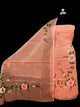
Chikankari Pure Chanderi Silk Glowing Blue Kurta & Dupatta
Handcrafted at Indiehaat Chikankari Unit in Lucknow, Master Artisan: Arun.

Experience elegance with our Handcrafted Chikenkari Chanderi Silk Kurti Dupatta. Adorned with delicate chikankari embroidery on luxurious Chanderi silk fabric, each set offers a perfect blend of style and tradition, perfect for any occasion.
Work: Chikankari, Hand Dyeing
Measurements: Length: Kurti - 2.9-3.0 meter, Dupatta - 2.4-2.5 meter
Fabric: Chanderi Silk
Package Contains: Unstitched Fabric: Top + Dupatta
Wash Care: Dry clean Preferred. Wash separately. Dry in Shades.
Disclaimer:
Color hues may slightly vary from that which appears in the image due to different screens and displays
Minor irregularities is the uniqueness of handcrafted products and makes each piece exquisite
| Fabric / Material | Chanderi Silk |
| Craft / Technique | Chikankari, Hand Dyeing |
| Colour | Blue |
| Origin / Cluster | Lucknow |
Chanderi is a traditional ethnic fabric characterized by its lightweight, sheer texture and fine luxurious feel.The fabric borrowed its name from the small town Chanderi in Madhya Pradesh where traditional weavers practice the art of producing textured sarees in cotton and silk.
Exchange: *Easy exchange is available within 3 days of receiving the product.
*No exchanges on home decor items.
*Unboxing video is required.
Return: *Only for damaged/wrong products.
*Unboxing video required.
Learn More
How strong is the blue?
It is a deep royal blue, with the chikankari on the yoke and buttis worked in matching blue thread, so the kurta reads rich and solid rather than busy. The dupatta pairs the same blue with white in a tie-dye pattern and a thin metallic stripe along the edge, which lightens the whole look.
What should I wear it with?
White or ivory bottoms echo the white in the dupatta and keep the outfit fresh for work; a royal blue churidar makes it a sleek single-colour look. Silver jewellery suits the cool blue and picks up the metallic edge of the dupatta. Avoid a second, different blue, which tends to clash.
Where can I wear it?
It is first an office kurta: smart enough for meetings, light enough for a full day. With the dupatta draped open and some jewellery, it moves into an office party, a dinner out, a kitty lunch or a weekend brunch. It also suits festive family gatherings when you want something understated.
Will I need a tailor for the kurta?
Yes. The kurta comes as an unstitched length of chanderi silk with the embroidery in place, while the dupatta is ready to wear. Give the kurta fabric to a tailor who is used to fine fabrics, since chanderi is light and needs careful handling at the seams and neckline.
What is chanderi silk like to wear?
Chanderi is a lightweight fabric with a sheer texture and a fine, luxurious feel, named after the town of Chanderi in Madhya Pradesh, where weavers produce textured sarees in cotton and silk. It feels airy rather than heavy, which keeps the set comfortable from office days to evening dinners.
How do I care for the tie-dye dupatta?
The dupatta is hand-dyed, so dry cleaning is preferred. If you wash it, wash it on its own in cold water with a mild detergent and dry it in the shade, out of direct sun. Avoid soaking it or leaving it damp and folded.




RECENTLY VIEWED PRODUCTS
All Products, Best Selling Products, Blue Suits, Chanderi Silk Dress Material, Chikankari, Embroidered Crafts, Evening & Dinner Suits, Festive Suits, Independence Day Sale, Kitty & Brunch Suits, New Arrivals, Newest Products, Office & Workwear Suits, Office Party Suits, Puthandu Sale, Rakshabandhan Collection, Rang Rasiya, Republic Day Collection, Savan, Serene Evening & Dinner Suits, Serene Festive Suits, Serene Kitty & Brunch Suits, Serene Office & Workwear Suits, Serene Suits, Silk Dress Material, Suits & Dress Material
