



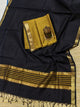
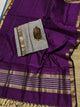
Rajsi Roop Maheshwari Silk Suit (T+D) Dark Violet
Woven by master weaver Shirin in Mominpura, the weaving quarter of Maheshwar.

Elegant Maheshwari cotton silk top and dupatta set with a shimmering zari border. Lightweight, breathable, and luxurious, it blends tradition with sophistication, making it perfect for festive, wedding, or everyday ethnic wear.
Work: Handloom Weaving
Measurements: Top: 2.4-2.5 Meter Length, Dupatta: 2.4-2.5 Meter
Fabric: Maheshwari Cotton Silk
Package Contains: Unstitched Fabric: Top + Dupatta
Wash Care: Gentle Handwash with Mild detergents. Wash separately. Dry in Shades.
Disclaimer:
Color hues may slightly vary from that which appears in the image due to different screens and displays
Minor irregularities is the uniqueness of handcrafted products and makes each piece exquisite
| Fabric / Material | Maheshwari Cotton Silk |
| Craft / Technique | Handloom Weaving |
| Colour | Violet |
| Origin / Cluster | Maheshwar |
**Handloom Weaving** is the traditional craft of creating fabric manually on a loom without industrial machinery. It reflects artistry, patience, and cultural heritage, often producing unique patterns and textures. Each piece carries slight variations, making it one-of-a-kind. Handloom weaving ensures sustainability, supports artisans, and preserves centuries-old textile traditions across regions.
Exchange: *Easy exchange is available within 3 days of receiving the product.
*No exchanges on home decor items.
*Unboxing video is required.
Return: *Only for damaged/wrong products.
*Unboxing video required.
Learn More
How do the violet top and navy dupatta work together?
Both pieces are deep and cool: a rich violet top with a navy dupatta. On their own that could look heavy, but the dupatta ends carry a violet-and-gold striped band and a gold zari edge, which brightens the whole set and connects it back to the top. It reads polished rather than loud.
Tell me about the tasselled ends of the dupatta.
Each end of the navy dupatta has a gold zari edge, then a violet stripe band woven into the cloth, and the corners finish in tassels. It is a woven detail, not added embroidery, so it stays light on the shoulder and moves with the fabric.
Does the set include fabric for the salwar?
No. The set has two unstitched pieces: a top piece of 2.4 to 2.5 metres and a dupatta of 2.4 to 2.5 metres. You can pair it with a navy, violet or ivory bottom of your choice, which also lets you decide between a salwar, palazzo, churidar or straight pants.
How does the dupatta drape?
Maheshwari cotton silk is lightweight, so the dupatta sits comfortably on the shoulder without feeling heavy. At 2.4 to 2.5 metres it works over one shoulder with the striped end in front, or across both shoulders for a more traditional look.
Is it shiny enough for an evening?
The fabric has the soft sheen of a cotton silk blend rather than a high shine, and the gold zari edge on the dupatta catches light. With the deep violet and navy, it looks dressy enough for a dinner out while still being wearable at the office earlier in the day.
Any tips before the first wash?
Wash it separately, since deep violet and navy can both release some dye. Use a gentle handwash with a mild detergent, do not soak it for long, and press out the water instead of wringing. Dry it in shade to keep the colour deep.



More suits in violet
View all 14% off
 23% off
 59% off
 23% off
 59% off
 40% off
 14% off
 24% off
Subtle & elegant suits for festive days
View all 21% off
 23% off
 23% off
 21% off
 23% off
 23% off
 14% off
 11% off
Handcrafted by Maheshwar artisans
View all 32% off
 23% off
 32% off
 23% off
 23% off
 32% off
 32% off
 23% off
RECENTLY VIEWED PRODUCTS
All Products, Best Selling Products, Evening & Dinner Suits, Festive Suits, Ganesha Chaturthi, Handloom Weaves, Handwoven Crafts, Kitty & Brunch Suits, Maheshwar Suits, Maheshwari Handloom Weaving Suits, New Arrivals, Newest Products, Office & Workwear Suits, Puthandu Sale, Rakshabandhan Collection, Savan, Silk Dress Material, Suits & Dress Material, Suits and Dupatta, The Summer Affair, Ugadi Sale, Understated Evening & Dinner Suits, Understated Festive Suits, Understated Office & Workwear Suits, Understated Suits, Violet Suits
