
Women Artisans Championing Sustainable Textile Practices
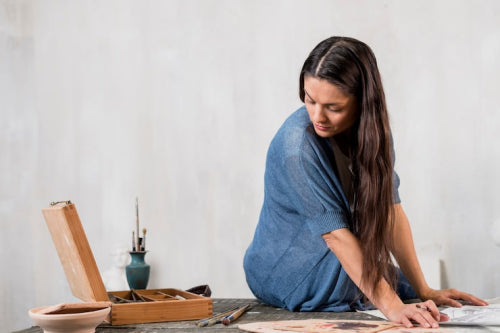
In the bustling lanes of Indian villages and the quiet workshops nestled in urban corners across the country, a quiet yet powerful revolution is unfolding. Women artisans are not merely weaving fabrics they are threading together tradition, sustainability, and economic empowerment. From the vibrant looms of India to diaspora communities in the US, Singapore, Australia, the UK, and the UAE, these skilled hands are championing sustainable textile practices that honour heritage while meeting modern demands for ethical, authentic pieces like linen sarees, tussar sarees, and pure cotton dress materials.
As conscious consumers increasingly seek the stories behind their clothing, platforms like IndieHaat stand out by curating directly sourced, handmade treasures that celebrate India's rich handcrafted traditions. Unlike typical marketplaces, every item at IndieHaat undergoes careful selection to ensure exceptional quality, cultural authenticity, and ethical production.
Fast fashion erodes cultural heritage, sidelining artisans and reducing traditions to trends. At IndieHaat, we champion India's craftspeople with handcrafted sarees, apparel, décor, and skincare rooted in authenticity. Each piece embodies skill and ethical care. Support artisans and preserve India's timeless legacy Shop Now!
The Rising Influence of Women in Sustainable Textiles
Across India and its global diaspora, there is a growing appreciation for clothing and home goods that respect both people and the planet. Women artisans have become central to this movement. In India, generations of female weavers have preserved time-honoured techniques using natural fibres and low-waste methods that many contemporary fashion houses now seek to emulate.
This influence reaches well beyond local bazaars. Indian artisans and diaspora communities abroad are enriching wardrobes worldwide with culturally rich, eco-conscious textiles. IndieHaat's mission resonates deeply here partnering closely with artisans to bring carefully selected handmade apparel, accessories, home décor, and artisanal skincare to a wider audience while empowering creative communities and sustaining traditions.
Emerging Trends in Sustainable Textile Practices
Discerning buyers today gravitate toward natural, breathable fabrics that feel luxurious and align with their values. There is a strong revival of interest in pure linen, silk, cotton, and tussar sarees materials known for their grace, durability, and minimal environmental impact.
Artisans are thoughtfully combining ancestral weaving methods with modern innovations, including natural dyeing techniques that steer clear of harmful chemicals. Digital marketplaces such as Amazon marketplace and ONDC Marketplace enable these creators to connect with customers globally while upholding their commitment to sustainability. In Singapore, Australia, and the UK, buyers place high value on transparency, wanting clear details about the origins and makers of their linen sarees or tussar dress materials.
This blend of heritage and innovation results in beautiful, functional pieces that carry deeper meaning and lasting appeal.
Real Stories from Women Artisans Across Regions
In India, women-led cooperatives in Rajasthan and West Bengal are producing exquisite linen and tussar sarees. These groups focus on ethical sourcing, fair compensation, and handwoven excellence that strengthens entire villages. Their efforts keep vital skills alive, transforming cultural knowledge into sustainable livelihoods for families.
Indian diaspora artisans in the US have embraced e-commerce to share these traditions internationally, crafting fusion designs that appeal to both those with roots in India and newcomers to ethnic wear. In Singapore and Australia, boutique retailers build relationships with women weavers, prioritising authenticity and responsible production that appeals to environmentally conscious shoppers.
Collaborations in the UK and UAE bring limited-edition collections where traditional motifs meet contemporary aesthetics. Government initiatives in India and the UAE are also playing a supportive role by offering training and better market access for female artisan entrepreneurs.
Challenges Faced by Women Artisans
Even with growing momentum, significant hurdles remain. The meticulous, labour-intensive handcrafting process often leads to premium pricing, which can make buyers pause when comparing options. Trust can also be an obstacle customers naturally want reassurance that a tussar saree or linen dress material is genuinely authentic and produced ethically.
For international buyers, the inability to physically touch and feel the fabric before purchase creates hesitation. Additionally, scaling operations while preserving the unique character and superior quality of each piece demands careful balance. IndieHaat helps bridge these gaps through direct artisan partnerships and a rigorous curation process that guarantees only pure linen, silk, and cotton fabrics along with full transparency in sourcing.
Opportunities and Positive Business Impacts
The digital ecosystem presents exciting avenues for growth. Through channels like Instagram, Facebook, and YouTube, artisans and curators such as IndieHaat share compelling behind-the-scenes stories, weaving process videos, and genuine customer experiences that foster strong emotional connections.
Export potential is expanding in the US, UK, UAE, and Australia, where appreciation for ethically sourced, distinctive textiles is on the rise. Brands that genuinely highlight handmade authenticity, unique designs, and direct relationships with artisans naturally differentiate themselves.
The ripple effects extend far beyond sales. When women artisans gain economic independence, they reinvest in education, family health, and community development, ensuring that sustainable textile traditions continue to flourish for generations.
Addressing Common Customer Concerns
Many appreciate the value in premium pricing because it reflects the extraordinary time, skill, and care invested in each piece woven with intention on traditional looms rather than produced at industrial speed. Detailed provenance information, artisan spotlights, and quality guarantees help overcome trust barriers effectively.
To address the “touch and feel” concern, high-quality photography, fabric descriptions, selective swatch options, and authentic testimonials bring the experience closer to reality. IndieHaat's model of direct sourcing and emphasis on unique, pure-fabric designs builds confidence that generic retailers often cannot match.
Insights for a Sustainable Future in Handcrafted Textiles
Strategic collaborations between contemporary designers and women artisans offer promising paths allowing fresh creativity while protecting traditional techniques that define Indian textiles. Authentic storytelling in marketing, which traces the journey from loom to customer, makes products more relatable and validates their worth.
Advancements in digital tools, including detailed views and enhanced online presentations, are improving the shopping experience for customers in distant markets. Partnerships involving government bodies and NGOs can further strengthen training programmes, maintain quality benchmarks, and expand market opportunities for artisan communities.
Looking Ahead: Women Artisans Leading the Way
The future of textiles belongs to those who honour the past while embracing responsible innovation. As more people consciously choose sustainable, handcrafted options such as linen sarees and tussar creations, women artisans are demonstrating that cultural preservation and economic empowerment can flourish side by side.
Based in Bangalore, IndieHaat continues to play a meaningful role by connecting thoughtful consumers with India's living heritage. Supporting these women and their craft means more than acquiring beautiful garments it represents an investment in powerful stories, thriving communities, and a more mindful approach to fashion and living.
The looms continue to rhythmically move, patterns evolve with care, and with every thoughtful choice, we help sustain traditions that enrich lives across India and around the world.
Frequently Asked Questions
How are women artisans contributing to sustainable textile practices in India and abroad?
Women artisans in India and diaspora communities are preserving traditional weaving techniques while using eco-friendly materials like linen, tussar, and pure cotton. By combining ancestral methods with modern innovations such as natural dyeing, they create sustainable, high-quality textiles that honor heritage and meet global demand for ethical fashion. Platforms like IndieHaat help connect these artisans with conscious consumers worldwide.
What challenges do women artisans face in producing handcrafted textiles?
Producing handwoven textiles is labor-intensive and often results in higher prices, which can deter some buyers. Additionally, international customers may hesitate due to the inability to touch or feel fabrics before purchase. Maintaining the authenticity, quality, and unique character of each piece while scaling operations also requires careful management, which platforms like IndieHaat address through direct artisan partnerships and rigorous curation.
Why should consumers choose handcrafted textiles from women artisans over fast fashion alternatives?
Handcrafted textiles offer ethical production, cultural authenticity, and sustainable materials, unlike fast fashion, which often erodes traditional skills. Buying directly from women artisans supports economic empowerment, preserves heritage techniques, and promotes eco-conscious fashion. With detailed product provenance, artisan stories, and high-quality fabrics, consumers can confidently invest in meaningful, long-lasting pieces.
Disclaimer: The above helpful resources content contains personal opinions and experiences. The information provided is for general knowledge and does not constitute professional advice.
You may also be interested in: The Revival of Chikankari Embroidery: Bridging Tradition with
Fast fashion erodes cultural heritage, sidelining artisans and reducing traditions to trends. At IndieHaat, we champion India's craftspeople with handcrafted sarees, apparel, décor, and skincare rooted in authenticity. Each piece embodies skill and ethical care. Support artisans and preserve India's timeless legacy Shop Now!
Powered by flareAI.co