Why the Future of Fashion Lies in Artisan Craftsmanship

The future of fashion is no longer defined by the relentless churn of seasonal collections and fast-fashion excess. Instead, it is being shaped quietly yet powerfully by the hands of skilled artisans who preserve time-honored techniques passed down through generations. Across India, the United States, Canada, the United Kingdom, Australia, Singapore and the UAE, more consumers are turning away from disposable trends and the mounting environmental costs they carry. Artisan craftsmanship is emerging not as a romantic throwback, but as a credible, high-value and increasingly mainstream direction for the industry.
In 2026 this transition feels both timely and necessary. Shoppers increasingly seek clothing that carries meaning, endures wear after wear and respects planetary boundaries. Platforms like IndieHaat, a thoughtfully curated e-commerce brand based in Bangalore, bridge global buyers directly to these makers. The collection focuses on handmade apparel sarees, dress materials, tussar sarees, linen sarees crafted exclusively from pure, authentic fabrics: linen, silk and cotton. By sidestepping mass manufacturing, IndieHaat helps sustain living cultural traditions while creating dignified livelihoods in India's artisan communities.
Fast fashion erodes cultural heritage, sidelining artisans and reducing traditions to trends. At IndieHaat, we champion India's craftspeople with handcrafted sarees, apparel, décor and skincare rooted in authenticity. Each piece embodies skill and ethical care. Support artisans and preserve India's timeless legacy Shop Now!
Why Artisan Craftsmanship Matters Now
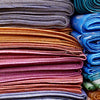
At its core, artisan fashion involves garments shaped entirely by human skill: handwoven textiles, block-printed patterns, fine embroidery and natural-dye processes. These pieces function as cultural records each one made with deliberate care and remarkably low waste.
In India, handloom and heritage textiles continue to anchor both national identity and export strength. Government initiatives and growing domestic appreciation have kept these traditions economically viable even as global markets fluctuate. Meanwhile, across the United States, Canada and Europe, younger consumers especially millennials and Gen Z are actively prioritizing ethical and sustainable choices. Surveys consistently show strong interest in brands that demonstrate genuine responsibility, even when higher prices present a hurdle.
In high-discretion markets such as Singapore and the UAE, affluent buyers value artisanal work for its exclusivity and storytelling power. Hand-embroidered sarees, fusion wear and limited-run textiles appear in luxury wardrobes as conscious status symbols. Australia, too, increasingly blends Indigenous textile knowledge into contemporary fashion, creating designs that resonate locally and internationally.
These regional shifts are propelled by the same underlying currents: the mainstreaming of sustainable fashion, the appeal of slow fashion and easier digital access to authentic makers.
Key Trends Reshaping the Category
Traditional techniques are experiencing renewed interest rather than fading away. In India, handloom receives sustained policy support and growing consumer enthusiasm. Globally, creative reuse of materials is gaining serious momentum. The upcycled fashion segment, for example, reflects rising awareness of fast fashion's environmental toll and strong demand for more responsible alternatives. According to market analysis, apparel dominates this space, while accessories are growing particularly quickly.
Digital marketplaces play a decisive role in connecting artisans to distant customers. Platforms such as IndieHaat, alongside broader ecosystems like Amazon and ONDC, make it realistic for buyers in North America, Europe, Australia, Singapore and the UAE to discover and purchase directly from Indian weavers and embroiderers. Sustainability remains the dominant lens: shoppers favor natural, biodegradable fibers and production methods that minimize ecological impact.
Real-World Impact Across Markets
Jaipur's block-printed cottons and Kolkata's Kantha-stitched layers continue to travel far beyond India, appearing in the wardrobes of design-conscious buyers worldwide through ethical export channels.
In the United States and Canada, independent labels and conscious retailers increasingly collaborate with Indian artisan groups, releasing small-batch collections that emphasize provenance and quality over volume.
Luxury shoppers in Singapore and the UAE seek out handcrafted sarees, lehengas and abaya-adjacent fusion pieces as distinctive, meaningful investments rather than trend-driven purchases.
Australia and parts of Europe integrate Indigenous textile traditions and heritage craft techniques into elevated ready-to-wear and accessory lines, appealing to consumers who prize cultural depth and originality.
What unites these examples is the power of uniqueness: no two truly handmade garments are identical, offering an antidote to mass-produced uniformity.
Realistic Challenges and How They Are Being Met
Scaling handmade production remains inherently difficult. The labor-intensive nature of the work naturally limits output and contributes to higher price points, which some shoppers perceive as a barrier.
Online purchasing introduces another layer of hesitation: the inability to touch fabrics, assess drape, or judge color in person. Cross-border logistics customs, duties, shipping delays can complicate delivery, especially to Europe, the UK and the UAE.
Yet these very constraints are driving meaningful progress. Rich visual storytelling on Instagram, Facebook and YouTube lets artisans and brands share the human side of each piece. Transparent sourcing models, such as IndieHaat's direct-from-maker approach, help close the trust gap and make the value of craftsmanship more tangible even from a distance.
Compelling Opportunities for Buyers and Makers
Well-crafted artisanal pieces naturally command premium positioning in markets that reward exclusivity and ethics the United States, Canada, the UK and the UAE chief among them.
In India the economic ripple effect is substantial: sustained demand helps preserve rural livelihoods and intergenerational skills that might otherwise disappear. From an environmental standpoint, handmade production using natural fibers typically generates far less waste and a smaller carbon footprint than conventional fast-fashion supply chains.
Cross-regional partnerships are accelerating. Indian artisans supply distinctive textiles to designers and boutiques in Singapore, Australia, Europe and the Middle East, creating shared value and cultural exchange.
Looking Ahead: A More Considered Future
Artisan craftsmanship is establishing itself as one of fashion's most durable and meaningful segments resilient in uncertain times and deeply appealing to people who seek authenticity over endless novelty.
Brands that thrive in this space invest seriously in digital storytelling that humanizes the makers, experiment with regional marketplaces to reach new audiences and align with credible ethical and sustainability frameworks that provide reassurance to conscious consumers.
For shoppers in the United States, Canada, Europe, India, Australia, Singapore and the UAE, choosing handmade clothing is both personal and purposeful. It means wearing a small piece of living heritage, contributing to fair livelihoods and supporting a fashion system that values longevity over disposability. The road forward is not about producing more, faster. It is about creating better with greater care, greater intention and greater respect for the hands that make it possible.
Frequently Asked Questions
What is artisan craftsmanship in fashion and why is it trending in 2026?
Artisan craftsmanship in fashion refers to garments made entirely by human skill including handwoven textiles, block-printed patterns, fine embroidery and natural-dye processes. It's trending in 2026 because consumers worldwide are moving away from fast fashion's environmental toll and seeking clothing that carries cultural meaning, lasts longer and is produced responsibly. Millennials and Gen Z in particular are driving demand for sustainable and slow fashion alternatives that reflect genuine ethical values.
How does buying handmade clothing support artisan communities in India?
Purchasing handmade clothing from Indian artisans directly sustains rural livelihoods and preserves intergenerational skills in handloom weaving, Kantha stitching and block printing that might otherwise disappear. Platforms like IndieHaat connect global buyers directly to these makers, ensuring fair compensation without mass manufacturing intermediaries. This sustained demand also has a broader economic ripple effect across artisan communities in regions like Jaipur and Kolkata.
Is artisan or handmade fashion a sustainable choice compared to fast fashion?
Yes handmade fashion using natural fibers like linen, silk and cotton typically generates significantly less waste and a smaller carbon footprint than conventional fast-fashion supply chains. Because each piece is crafted with deliberate care and minimal industrial processing, artisan garments are both biodegradable and built to endure far longer than mass-produced alternatives. Choosing handmade clothing is considered one of the most impactful ways consumers can align their wardrobe with environmental and ethical values.
Disclaimer: The above helpful resources content contains personal opinions and experiences. The information provided is for general knowledge and does not constitute professional advice.
You may also be interested in: Why Handmade Fashion Represents the True Future of Indias
Fast fashion erodes cultural heritage, sidelining artisans and reducing traditions to trends. At IndieHaat, we champion India's craftspeople with handcrafted sarees, apparel, décor and skincare rooted in authenticity. Each piece embodies skill and ethical care. Support artisans and preserve India's timeless legacy Shop Now!
Powered by flareAI.co