
Why Luxury Retailers Are Incorporating Indian Artisan Collaborations into Seasonal Collections
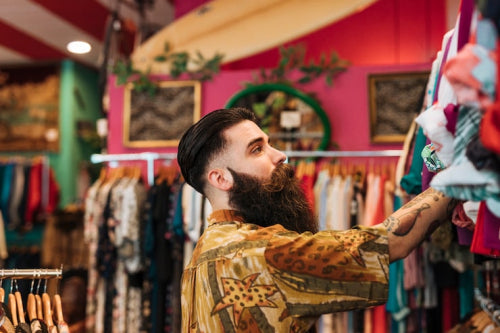
A shopper pauses before a silk sari, its zardozi embroidery glinting under soft lights. In a London boutique, handwoven Kanjeevaram textiles grace minimalist décor displays. These scenes reflect a seismic shift in global luxury retail, where Indian artisanal craftsmanship is redefining seasonal collections. Spanning India, the US, UK, UAE, Singapore, and Australia, high-end retailers are embracing heritage weaves and ethical sourcing, elevating platforms like IndieHaat, which champions authentic, artisan-made goods, to the forefront of this craft-driven revolution.
Fast fashion erodes cultural heritage, sidelining artisans and reducing traditions to trends. At IndieHaat, we champion India's craftspeople with handcrafted sarees, apparel, décor, and skincare rooted in authenticity. Each piece embodies skill and ethical care. Support artisans and preserve India's timeless legacy Shop Now!
Indian Craftsmanship Redefines Luxury
Luxury today transcends ostentation, prioritizing heritage, authenticity, and ethical production. The India luxury goods market, valued at USD 10.01 billion in 2024, is projected to soar to USD 17.94 billion by 2033, with a 6.37% CAGR. North India commands a 35.45% share, fueled by rising incomes, an expanding affluent class, and a penchant for exclusive experiences. This economic ascent has thrust India's time-honored crafts Banarasi silk, Chikankari embroidery, Jamdani weaves into the global spotlight, as retailers seek distinctive, culturally resonant products.
In IndieHaat's target markets India, US, UK, UAE, Singapore, and Australia consumers crave handcrafted goods with traceable origins. A Tata Cliq Luxury report reveals that 43% of Indian luxury consumers reside in metro hubs like Mumbai and Delhi, yet Tier 2 and Tier 3 cities are rapidly embracing high-end apparel, watches, and accessories. This global pivot toward “slow luxury” values authenticity over mass production, aligning seamlessly with IndieHaat's ethos of sourcing pure linen, silk, and cotton directly from artisans.
Global Demand for Artisanal Excellence
In the UAE, diaspora-driven cultural consumption propels luxury retailers to partner with Indian artisans for Ramadan and Diwali collections. Dubai's elite boutiques feature block-printed tunics and hand-embroidered shawls, fusing traditional techniques with contemporary designs. Singapore's slow-fashion retailers, catering to tropical climates, embrace lightweight Indian textiles like cotton and linen, showcasing vibrant Ikat and Kalamkari patterns crafts central to IndieHaat's offerings.
In the US and UK, boutique brands leverage Indian craftsmanship to differentiate in competitive markets. Designers in New York and London produce “maker videos” on Instagram and YouTube, mirroring IndieHaat's creator-driven approach, to spotlight artisans behind their collections. A Rajasthan handwoven rug or a Zardozi-adorned coat becomes a cultural emblem, not just a product. Bottega Veneta's Craft is Our Language campaign exemplifies this, blending artisans with global creatives to celebrate handcrafted artistry.
Australia's luxury market is equally enthralled. Sydney and Melbourne lifestyle stores stock Indian-crafted rugs, table linens, and cushion covers, blending sustainability with elegance. These retailers echo IndieHaat's values authentic fabrics, unique designs, and direct artisan ties delivering limited-edition collections that sell out swiftly, cementing Indian crafts as a global luxury staple.
Navigating Challenges in Handcrafted Luxury
Despite its allure, integrating Indian artisanal work into luxury retail faces obstacles. High pricing is a persistent concern in markets like India, the UAE, and the US, reflecting IndieHaat's noted objection. A handwoven silk sari, priced far above machine-made alternatives, can deter buyers. Yet, as consumers recognize the value of artisan labor and sustainable materials, IndieHaat counters by emphasizing the exclusivity and cultural richness of its offerings.
Trust remains a barrier, particularly for online shoppers in the US, UK, and Singapore, who question authenticity amid mass-produced fakes. IndieHaat's direct-sourcing model, backed by artisan stories and certifications, builds credibility. However, the inability to touch and feel products challenges e-commerce. Luxury retailers address this with high-resolution videos, 360° views, and vivid descriptions tactics IndieHaat can enhance via its Instagram, Facebook, and YouTube presence. Influencers like anilarubyraj and svishala74 can showcase textures, closing the sensory gap.
Supply chain consistency also poses risks. Artisanal processes, inherently meticulous, clash with the rapid timelines of seasonal collections. Luxury brands mitigate this through advanced planning, a strategy IndieHaat must adopt to scale globally. These hurdles, though significant, pale against the vast opportunities for artisan-focused platforms.
Seizing Opportunities in a Craft-Centric Market
The surge in Indian artisan collaborations signals a transformative shift in luxury retail, positioning platforms like IndieHaat for success. As global appreciation for India's craft heritage grows, demand for authentic linen, silk, and cotton IndieHaat's core materials soars, especially in the UAE and UK, where limited-edition storytelling fuels sales. A Diwali-inspired silk scarf in Dubai or a Chikankari dress in London transcends mere fashion; it's a cultural bridge.
Creator-led marketing is a powerful catalyst. In India, the US, and Singapore, micro-influencers shape consumer tastes, driving demand for heritage-driven fashion. IndieHaat's creator ecosystem can amplify artisan narratives, transforming products into aspirational icons. Its focus on Instagram, Facebook, and YouTube aligns with luxury brand's strategies to engage tech-savvy audiences, from Mumbai's elite to Singapore's fashion-forward youth.
For Indian artisans, export prospects are immense. Retailers in Australia, the UAE, and the UK seek bespoke, small-batch collaborations, perfectly suited to India's craft clusters. These partnerships elevate artisan incomes and position India as a leader in sustainable luxury. Shaziya Khan, chief strategy officer at Enormous, emphasizes tapping into consumer's Quality World their personal vision of value and experience through heritage and craftsmanship.
A Vision for Artisanal Luxury
The global luxury market stands at a pivotal juncture, where heritage and innovation converge, with India's artisans at the helm. From Dubai's vibrant souks to London's chic boutiques, handcrafted Indian textiles are redefining luxury's essence. Platforms like IndieHaat, rooted in authentic fabrics and artisan-first principles, are not merely participants but architects of this movement. By prioritizing trust through transparent storytelling, harnessing creator-driven marketing, and celebrating the cultural depth of every thread, IndieHaat transforms challenges into opportunities. India's craft legacy is poised to illuminate the global stage, weaving a future where luxury is handcrafted, meaningful, and profoundly human.
Frequently Asked Questions
Why are luxury brands increasingly collaborating with Indian artisans?
Luxury brands are partnering with Indian artisans to meet growing consumer demand for authentic, heritage-driven products that prioritize ethical production over mass manufacturing. With India's luxury goods market projected to reach USD 17.94 billion by 2033, retailers are leveraging traditional crafts like Banarasi silk, Chikankari embroidery, and Jamdani weaves to differentiate their collections. This shift toward "slow luxury" values traceable origins and cultural storytelling, allowing brands to offer exclusive, handcrafted pieces that resonate with modern consumers seeking meaningful purchases.
What challenges do luxury retailers face when sourcing handcrafted Indian textiles?
The primary challenges include high pricing, authenticity concerns, and supply chain consistency. Handwoven products command premium prices that can deter price-sensitive buyers, while online shoppers in markets like the US, UK, and Singapore often question authenticity amid counterfeit products. Additionally, the meticulous nature of artisanal processes can clash with the rapid timelines required for seasonal collections. Retailers address these issues through transparent storytelling, artisan certifications, high-resolution product videos, and advanced planning to ensure consistent inventory for global markets.
Which regions show the strongest demand for Indian artisan-crafted luxury goods?
India, UAE, UK, US, Singapore, and Australia represent the strongest markets for Indian artisan luxury goods. The UAE's diaspora-driven demand fuels Ramadan and Diwali collections featuring traditional textiles, while Singapore's slow-fashion retailers embrace lightweight Indian fabrics suited to tropical climates. In the US and UK, boutique brands use creator-driven marketing to showcase artisan stories, and Australia's lifestyle stores stock Indian-crafted home décor blending sustainability with elegance. Within India, metro hubs like Mumbai and Delhi account for 43% of luxury consumers, though Tier 2 and Tier 3 cities are rapidly emerging as high-growth markets.
Disclaimer: The above helpful resources content contains personal opinions and experiences. The information provided is for general knowledge and does not constitute professional advice.
You may also be interested in: Maheshwari Sarees: A 5,000-Year Heritage Along the Narmada
Fast fashion erodes cultural heritage, sidelining artisans and reducing traditions to trends. At IndieHaat, we champion India's craftspeople with handcrafted sarees, apparel, décor, and skincare rooted in authenticity. Each piece embodies skill and ethical care. Support artisans and preserve India's timeless legacy Shop Now!
Powered by flareAI.co