
Why Handloom Textiles Are Eco-friendly
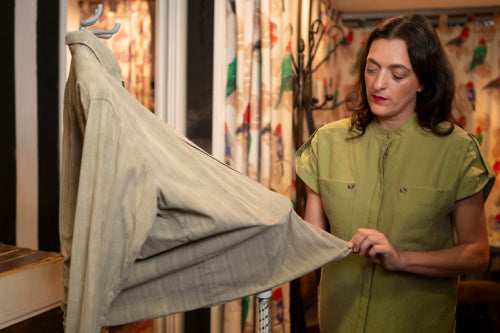
The rhythmic clack of a wooden loom cuts through the morning quiet in a rural Bengal village or a Tamil Nadu hamlet. A weaver, cross-legged on the floor, guides threads with steady hands no whirring motors, no flickering electricity, just human rhythm transforming raw cotton or silk into fabric alive with heritage. In an age where fast fashion headlines scream environmental crisis, Indian handloom textiles stand as a compelling alternative: sustainable by nature, low-impact by design, and deeply tied to artisan communities.
Fast fashion erodes cultural heritage, sidelining artisans and reducing traditions to trends. At IndieHaat, we champion India's craftspeople with handcrafted sarees, apparel, décor, and skincare rooted in authenticity. Each piece embodies skill and ethical care. Support artisans and preserve India's timeless legacy Shop Now!
Why Handloom Textiles Are Eco-friendly: A Sustainable Advantage for Modern E-commerce
Shoppers across the US, UK, UAE, Singapore, Australia, and India now demand more from their wardrobes. They question origins, environmental costs, and ethical footprints amid fast fashion's heavy toll vast carbon emissions, massive water use, and endless waste. Handloom textiles, crafted by India's millions of artisans, provide a credible response: production that minimizes energy demands, favors natural materials, and supports small-scale, on-demand creation. These qualities make them ideal for curated e-commerce platforms focused on authenticity and responsibility.
What Makes Handloom Textiles Eco-friendly by Design
At its core, handloom weaving operates manually, powered solely by the weaver's effort. This eliminates the electricity-heavy processes of power looms or industrial mills, slashing energy consumption dramatically. Official sources from India's Development Commissioner for Handlooms underscore that handlooms use minimal or no electricity for weaving itself, yielding a substantially lower carbon footprint than mechanized options.
Natural fibers cotton, silk, wool, linen dominate, often sourced locally. These require less chemical processing than petroleum-based synthetics like polyester, which drive microplastic pollution. Coastal studies in the UK and Australia highlight the risks of synthetic fibers shedding during washing, contributing to ocean contamination. Handloom traditions frequently employ plant-based dyes indigo, madder, turmeric, henna reducing chemical runoff and aligning with biodegradable practices.
Production remains small-scale and often made-to-order. This cuts waste from overproduction, a persistent issue in mass manufacturing where unsold goods pile into landfills. Handloom's limited-batch approach fits seamlessly with ethical e-commerce models in the US and UK, where consumers favor durable, low-waste items.
How Handloom Compares to Industrial Textile Manufacturing
The differences become stark against factory-scale operations. Mechanized textile production devours energy and water, with emissions tied to fossil fuels. A 2025 report from India's Ministry of Textiles and IIT Delhi on carbon footprint in the handloom sector reveals that while ancillary steps like certain dyeing may involve electricity or wood, overall emissions stay markedly lower than those from power looms or mills.
Analyses of items like Banarasi silk sarees show electricity as a contributor in some phases, but human-powered weaving keeps totals restrained. Water use drops due to restrained chemical dyeing and traditional methods. In markets like the UK and EU, stricter supply-chain emissions rules, alongside US and Australian ESG reporting, favor low-impact sourcing handloom's profile delivers clear benefits.
The global fashion industry exacerbates these issues. It accounts for around 10% of worldwide carbon emissions more than international flights and shipping combined and ranks as the second-largest consumer of freshwater, with dyeing contributing significantly to industrial water pollution. Handloom avoids much of this through localized, minimal-mechanization practices.
Trends Fueling Demand for Handloom in Global Markets
Consumer preferences are evolving rapidly. Retail studies in the US, UK, Singapore, and Australia show rising demand for natural fibers, artisan craftsmanship, and transparent narratives. Shoppers seek longevity over disposability, favoring pieces that tell stories. Singapore's urban consumers crave premium sustainable lifestyle goods; the UAE sees ethical gifting rise; Australia's circular fashion initiatives boost durable artisan products.
India's government advances this through handloom promotion missions that prioritize sustainable livelihoods. Ethical sourcing gains traction in the UK and UAE via retail standards and procurement preferences. The global handloom products market, valued at approximately USD 9.0 billion in 2025, is projected to reach USD 16.6 billion by 2032 at a 9% CAGR, driven by demand for eco-friendly, culturally significant items.
Real-World Reach: From Indian Clusters to Global E-commerce
Weaving clusters across India from Varanasi's intricate silks to Bengal's fine cottons supply apparel, home décor, and accessories to ethical platforms worldwide. Handwoven cotton apparel thrives in warm climates of India, the UAE, and Australia; natural-fiber home textiles suit urban living in the UK, Singapore, and US; artisan accessories serve as meaningful, sustainable gifts across these regions. E-commerce curates these narratives, transforming products into dialogues about heritage, craftsmanship, and environmental care.
Opportunities for E-commerce Retailers
Offering handloom differentiates brands in saturated markets. Premium positioning emerges through compelling stories and transparency, building trust and loyalty in authenticity-valuing regions like the US, UK, and Singapore.
Traceability from artisan to consumer aligns with disclosure requirements in UK retail standards, US ESG practices, and Australian guidelines. Over time, this shields brands from fast-fashion criticism and reduces reputational risks.
Acknowledging the Challenges
Handloom production has limits. Its time-intensive nature constrains scalability and may delay high-volume fulfillment. Certification varies across markets, complicating eco-labeling. Higher prices reflect skilled labor, demanding consumer education to highlight value over cheaper alternatives. These obstacles yield to thoughtful storytelling, partnerships, and strategic investments.
Looking Ahead
Experts in India and the UK view handloom as a modern, adaptable model low-impact, community-focused, and resilient. Digital marketplaces broaden artisan access, reinforcing eco-positioning.
For e-commerce sourcing from Indian artisans and serving diverse markets, handloom textiles merge environmental stewardship, cultural richness, and social inclusion. They represent strategic assets for growth that matches shifting consumer expectations and regulations.
In choosing handloom, we support a gentle revolution: every thread weaves sustainability into daily life. As global shoppers insist on better, this enduring craft stands ready to define the future of responsible retail.
Frequently Asked Questions
Why are handloom textiles considered more eco-friendly than factory-made fabrics?
Handloom textiles are eco-friendly because they're powered entirely by human effort rather than electricity-heavy machinery, which dramatically reduces carbon emissions. They predominantly use natural fibers like cotton, silk, and wool with minimal chemical processing, and often employ plant-based dyes that prevent harmful chemical runoff. The small-scale, made-to-order production model also eliminates waste from overproduction, a major problem in industrial textile manufacturing.
How does handloom weaving compare to fast fashion in terms of environmental impact?
Handloom weaving has a significantly lower environmental footprint compared to fast fashion's industrial processes. While the global fashion industry accounts for around 10% of worldwide carbon emissions and is the second-largest consumer of freshwater, handloom production uses minimal electricity, less water due to traditional dyeing methods, and avoids synthetic fibers that contribute to microplastic pollution in oceans. The localized, manual production also supports sustainable livelihoods for artisan communities rather than contributing to mass waste.
What natural materials are used in handloom textiles and why do they matter for sustainability?
Handloom textiles primarily use natural fibers such as cotton, silk, wool, and linen, often sourced locally from Indian weaving clusters. These natural materials require far less chemical processing than petroleum-based synthetics like polyester, which shed microplastics during washing and contribute to ocean contamination. Additionally, handloom traditions frequently incorporate plant-based dyes like indigo, madder, turmeric, and henna, which are biodegradable and reduce chemical runoff compared to industrial dyeing processes.
Disclaimer: The above helpful resources content contains personal opinions and experiences. The information provided is for general knowledge and does not constitute professional advice.
You may also be interested in: The Role of Tussar Silk in Sustainable Fashion from Jharkhand
Fast fashion erodes cultural heritage, sidelining artisans and reducing traditions to trends. At IndieHaat, we champion India's craftspeople with handcrafted sarees, apparel, décor, and skincare rooted in authenticity. Each piece embodies skill and ethical care. Support artisans and preserve India's timeless legacy Shop Now!
Powered by flareAI.co