
Why Handloom Cotton Sarees Are a Timeless Wardrobe Staple
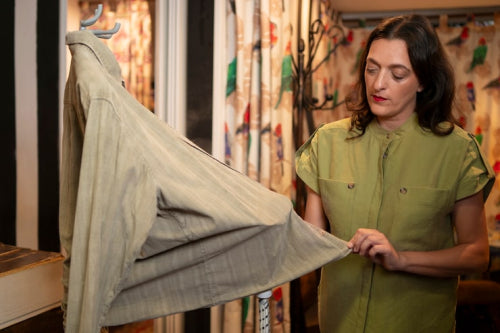
In an era dominated by fast fashion's fleeting trends, handloom cotton sarees stand as enduring symbols of artistry, sustainability, and cultural heritage. The gentle rustle of pure cotton, meticulously woven by artisans over weeks, carries the weight of tradition and the promise of a sustainable future. These sarees are not mere garments; they are heirlooms, embodiments of ethical craftsmanship, and connectors of cultures from India's vibrant weaving communities to the wardrobes of Singapore, Australia, the UAE, and beyond. What makes handloom cotton sarees a timeless wardrobe essential in a world chasing ephemeral styles?
Fast fashion erodes cultural heritage, sidelining artisans and reducing traditions to trends. At IndieHaat, we champion India's craftspeople with handcrafted sarees, apparel, décor, and skincare rooted in authenticity. Each piece embodies skill and ethical care. Support artisans and preserve India's timeless legacy Shop Now!
Weaving Tradition with Modern Appeal
Handloom cotton sarees are a testament to the enduring skill of human hands. Each saree, crafted through time-honored weaving techniques, represents weeks of painstaking effort, blending heritage with artistry. The global handloom sarees market, valued at USD 3.72 billion in 2024, is set to expand from USD 3.99 billion in 2025 to USD 7.29 billion by 2032, with a robust CAGR of 8.99%. Asia Pacific led with a 68.82% market share in 2024, reflecting the region's deep-rooted connection to this craft. This growth signals a global resurgence in demand for authentic, eco-conscious fashion, from bustling markets in Mumbai to boutiques in Melbourne.
Artisans today are reimagining traditional weaves to suit modern tastes, ensuring handloom sarees remain relevant across diverse markets. In Singapore, minimalist cotton designs appeal to professionals seeking understated elegance, while in the UAE, vibrant patterns shine during festive celebrations. These sarees have transcended their origins, appearing on global runways and social media platforms like Instagram, where accounts like anilarubyraj and varshaoak highlight their versatility. This seamless blend of heritage and innovation keeps handloom sarees at the forefront of global fashion.
A Global Embrace of Ethical Fashion
The allure of handloom cotton sarees extends far beyond India, captivating eco-conscious consumers in the US, UK, and Australia. Crafted from natural fibers like cotton, linen, and silk, these sarees have a minimal environmental footprint, aligning with the growing demand for sustainable fashion. In the UAE and Singapore, where luxury and cultural appreciation converge, handloom sarees are prized for their unique designs and authentic fabrics qualities mass-produced garments cannot match. Their appeal lies in their individuality, offering a counterpoint to the homogeneity of fast fashion.
Social media has become a powerful catalyst for this craft's global reach. Platforms like Instagram, Facebook, and YouTube allow artisans and brands to share their stories with audiences worldwide. A glance at svishala74 reveals the intricate beauty of handwoven sarees, while Facebook posts spotlight the artisans behind them. These platforms foster trust and community, transforming buyers into advocates who value the human hands behind each weave. By bridging geographical divides, social media has turned handloom sarees into a global phenomenon.
Empowering Artisans, Preserving Heritage
At the heart of every handloom saree is an artisan preserving a centuries-old craft. Platforms like IndieHaat are revolutionizing this space by connecting weavers directly with global buyers, ensuring fair wages and sustainable livelihoods. In weaving hubs like Varanasi and Kanchipuram, artisans create cotton and silk sarees that grace events from London galas to New York boardrooms. This direct-to-consumer model not only empowers communities but also introduces international audiences to the authenticity of handcrafted fashion.
In India, handloom sarees are woven into the fabric of cultural life, adorning women during festivals, weddings, and significant milestones. Each saree tells a story of its region whether it's the intricate motifs of a Banarasi weave or the vibrant hues of a South Indian cotton saree. Yet their versatility allows them to cross borders effortlessly. A lightweight cotton saree can be a breezy summer ensemble in Sydney or a bold statement at a Dubai art gallery. This adaptability, combined with their eco-friendly credentials, resonates with younger generations who prioritize style with purpose.
Overcoming Barriers in a Digital Marketplace
Despite their growing popularity, handloom cotton sarees face challenges in expanding their reach. High pricing is a common concern, as the labor-intensive process of handweaving drives costs above those of machine-made alternatives. A single saree can take weeks to create, reflecting the skill and time invested. However, as consumers in the US and UK shift toward quality over quantity, many view these sarees as investments pieces that endure both in style and durability.
Another hurdle is the trust deficit in online shopping. Without the ability to touch the soft cotton or examine the intricate weaves, first-time buyers in markets like Australia or Singapore may hesitate. Brands are addressing this by prioritizing transparency, offering detailed product descriptions, artisan stories, and certifications of authenticity. IndieHaat, for example, uses Instagram and YouTube to share videos of the weaving process, building confidence among buyers. Accounts like drminimalhotra showcase the craftsmanship, making the intangible tangible.
The tactile nature of saree shopping poses a further challenge for e-commerce. While social media offers stunning visuals, it cannot replicate the sensory experience of draping a saree. To bridge this gap, some brands provide fabric swatches or virtual try-on tools, enhancing the online experience. These innovations are crucial for expanding the market in regions where handloom sarees are less familiar, ensuring buyers feel confident in their purchases.
Capitalizing on a Sustainable Future
The global pivot toward sustainable fashion presents a significant opportunity for handloom cotton sarees. As consumers in the US, UK, and UAE demand transparency and ethical production, these sarees stand out for their low environmental impact and artisanal roots. The rise of e-commerce and social media has democratized access, enabling small brands to compete with global fashion giants. A single Instagram post can reach thousands in Singapore or Australia, sparking curiosity and driving sales.
Millennials and Gen Z, in particular, are fueling demand for unique, meaningful fashion. Handloom sarees, with their one-of-a-kind designs and pure fabrics, align perfectly with this ethos. Whether it's a linen saree for a casual day in London or a silk masterpiece for a wedding in Dubai, these garments offer unmatched versatility. Their ability to blend tradition with modernity ensures they resonate across cultures, from urban professionals to cultural connoisseurs.
The economic potential is substantial. With the handloom sarees market projected to reach USD 7.29 billion by 2032, brands that emphasize authenticity and sustainability are well-positioned to thrive. By leveraging platforms like Instagram and Facebook, artisans can bypass traditional retail barriers, reaching global audiences directly. This digital marketplace is not just a sales channel; it's a stage for storytelling, where each saree becomes a narrative of craft and culture.
A Legacy Woven for Generations
Handloom cotton sarees are more than fashion they are a celebration of artistry, sustainability, and cultural pride. As the world embraces ethical fashion, these sarees are poised to lead, weaving together ancient craft and modern sensibilities. Supported by platforms like IndieHaat, artisans are not just preserving tradition but shaping a future where handmade reigns supreme. The market's projected growth to USD 7.29 billion by 2032 underscores their timeless appeal.
For those seeking a wardrobe staple with soul, a handloom cotton saree is unmatched. Explore the weaves on Instagram or Facebook, where artisans share their craft with the world. Seek out certifications, delve into the stories behind each saree, and invest in a piece that transcends trends. In a world of disposable fashion, handloom sarees remind us that true elegance is crafted with care, one thread at a time.
Frequently Asked Questions
How much is the handloom sarees market expected to grow globally?
The global handloom sarees market was valued at USD 3.72 billion in 2024 and is projected to reach USD 7.29 billion by 2032, growing at a CAGR of 8.99%. Asia Pacific dominates with a 68.82% market share, reflecting the region's deep cultural connection to this craft. This significant growth is driven by increasing global demand for authentic, sustainable fashion and the rise of e-commerce platforms that connect artisans directly with international consumers.
Why are handloom cotton sarees considered sustainable and eco-friendly?
Handloom cotton sarees are crafted from natural fibers like cotton, linen, and silk using traditional hand-weaving techniques, resulting in a minimal environmental footprint. Unlike fast fashion's mass-produced garments, each saree is meticulously woven by artisans over weeks without relying on energy-intensive machinery. This eco-conscious production process, combined with the use of pure, biodegradable materials, makes handloom sarees an ideal choice for consumers seeking ethical and sustainable fashion alternatives.
What makes handloom cotton sarees more expensive than machine-made sarees?
Handloom cotton sarees carry higher price points because they are labor-intensive works of art that can take weeks to create by skilled artisans. Each saree is handwoven using time-honored techniques passed down through generations, reflecting exceptional craftsmanship, intricate designs, and the use of pure, natural fibers. While machine-made alternatives are cheaper, handloom sarees are investment pieces valued for their durability, uniqueness, and the fair wages they provide to weaving communities across India.
Disclaimer: The above helpful resources content contains personal opinions and experiences. The information provided is for general knowledge and does not constitute professional advice.
You may also be interested in: 6 Timeless Colors That Never Go Out of Style | Classic Shades for
Fast fashion erodes cultural heritage, sidelining artisans and reducing traditions to trends. At IndieHaat, we champion India's craftspeople with handcrafted sarees, apparel, décor, and skincare rooted in authenticity. Each piece embodies skill and ethical care. Support artisans and preserve India's timeless legacy Shop Now!
Powered by flareAI.co