
Why Curated E-Commerce Platforms Are Becoming a Growth Engine for Indian Accessory Makers
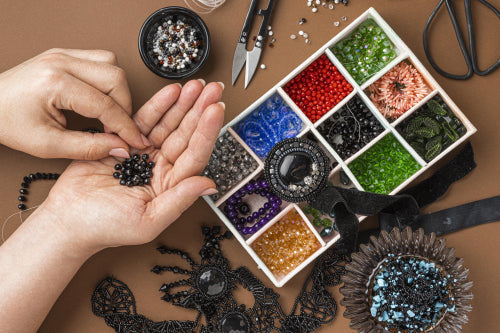
In a vibrant Jaipur workshop, artisans deftly thread shimmering zari into scarves, their skilled hands preserving a craft honed over generations. Thousands of miles away, these scarves grace shelves in a sleek Manhattan boutique or a lively Dubai marketplace, their stories of heritage and artistry amplified by a digital revolution: curated e-commerce platforms. For India's accessory makers, these platforms are more than sales channels they're vital conduits to global buyers seeking authenticity in an era dominated by mass-produced goods.
Fast fashion erodes cultural heritage, sidelining artisans and reducing traditions to trends. At IndieHaat, we champion India's craftspeople with handcrafted sarees, apparel, décor, and skincare rooted in authenticity. Each piece embodies skill and ethical care. Support artisans and preserve India's timeless legacy Shop Now!
Curated E-Commerce: A Catalyst for India's Artisan Economy
India's e-commerce sector is surging, valued at USD 107.7 billion in 2024 and projected to reach USD 650.4 billion by 2033, driven by a robust 19.7% compound annual growth rate, according to IMARC Group. This growth is propelled by widespread smartphone penetration, improved internet access, and a young, urban population with rising disposable incomes. Unlike sprawling online marketplaces, curated platforms specialized sites emphasizing artisan narratives and verified sourcing are redefining how Indian makers of handcrafted jewelry, textiles, and bags connect with discerning consumers in the U.S., UK, Singapore, Australia, and the UAE.
These platforms don't just facilitate transactions; they elevate craftsmanship. By showcasing a select range of products, they cut through the noise of mass retail, granting artisans greater visibility. The Indian handicrafts market, worth USD 4,565 million in 2024 and expected to grow to USD 8,198.5 million by 2033 at a 6.39% growth rate, thrives on this curated model. It's a shift that transcends sales figures, linking global buyers with the human stories behind each piece whether it's a handwoven scarf from Kolkata or a sculpted woodware piece from Rajasthan.
Global Demand for India's Artisanal Excellence
In the U.S. and UK, consumers are increasingly drawn to ethically sourced accessories, prioritizing transparency in production. Research from Deloitte and McKinsey underscores a rising demand for traceability shoppers want to know the origins of their handprinted tote or beaded necklace. Curated platforms address this by providing detailed artisan profiles and craft histories, transforming purchases into cultural exchanges. In London, slow-fashion boutiques stock Indian handloom bags, while U.S. retailers in cities like Seattle and Miami highlight Jaipur's imitation jewelry and Tamil Nadu's embroidered textiles.
A similar trend unfolds in wealthier markets like Singapore, Australia, and the UAE. Singapore's Design Council reports growing interest in heritage-driven products, with local lifestyle stores collaborating with Indian artisans for exclusive collections. In Australia, eco-conscious retailers are embracing natural fiber bags and vegan leather accessories, fueled by UNSW studies showing a shift toward sustainable gifting. The UAE, with its diverse expat community and tourist traffic, sustains demand for Indian artisanal jewelry and scarves, as noted by Dubai Design Week. These markets aren't merely buying goods they're investing in the authenticity and eco-conscious ethos that curated platforms promote.
Curation's Edge: Visibility, Trust, and Equitable Earnings
For India's accessory makers, curated platforms tackle a persistent challenge: standing out. On mass marketplaces, small artisans often get lost amid thousands of listings. Curated sites, with their editorial approach, highlight fewer items, ensuring each product shines. A handcrafted pottery piece from South India or zari-embroidered earrings from Hyderabad gains prominence, presented with compelling visuals and context that mass platforms rarely provide.
Transparency builds trust, a critical factor for buyers. In the UAE and UK, consumers are willing to pay 20–30% premiums for verified handmade goods, according to DIFC reports. Curated platforms deliver by certifying authenticity and detailing materials, from eco-friendly dyes to sustainably sourced metals. This fosters loyalty, converting one-time buyers into repeat patrons. Financially, artisans benefit too: curated platforms typically charge lower commissions than mass-market giants, allowing makers to retain a larger share of their profits.
From Local Looms to Global Showcases
In India, curated marketplaces are empowering artisans to reach international audiences. Makers in Jaipur, Chennai, and West Bengal are shipping their creations to Singapore's design stores and Australia's eco-boutiques. The Indian government's Open Network for Digital Commerce (ONDC) supports this transition, helping small handicraft sellers embrace digital trade. The Export Promotion Council for Handicrafts reports robust global demand for Indian accessories, with the U.S. and UAE as key markets.
The impact resonates worldwide. In the U.S., boutique stores in Oregon and Arizona stock Indian glassware and sculptures, drawn by the rich narratives of curated platforms. In the UAE, Dubai's luxury gifting shops feature Indian textiles and jewelry, appealing to tourists seeking distinctive keepsakes. These small-scale retail successes illustrate how curated e-commerce bridges India's artisan communities with distant markets, fostering a cycle of demand and economic opportunity.
Navigating Obstacles in a Competitive Landscape
Despite the promise, challenges persist. Indian artisans face risks from copycat designs, a concern highlighted by India's IPR and Design Protection Board. Logistics remain a hurdle shipping delicate attars from North India to Australia involves complex customs and high costs. Scaling production while maintaining handmade quality is another issue, with NIFT India studies pointing to supply-chain constraints in artisan clusters. Additionally, while curated platforms reduce marketing demands, artisans must still master social media to amplify their reach, a steep learning curve for those with limited digital skills.
A Thriving Future for India's Craft Sector
The outlook remains bright. India's personal accessories market, valued at USD 16.17 billion in 2024 and forecasted to reach USD 39.71 billion by 2034 with a 9.4% growth rate, reflects the sector's dynamism. Curated platforms capitalize on this, driving higher order values as premium buyers in Singapore and Australia prioritize craftsmanship. India's Digital India initiatives further empower artisans by simplifying payments and logistics.
Sustainability is a powerful driver. UAE and UK sustainability indexes reveal a shift toward traceable, small-batch accessories, aligning seamlessly with India's artisanal traditions. Experts predict that AI-powered product discovery and QR-coded provenance will soon become standard, deepening buyer connections with artisan stories. Cross-border micro-entrepreneurship is also growing, directly linking Indian makers with boutique retailers in the U.S. and UAE, creating new avenues for growth.
Crafting a Legacy in the Digital Age
In that Jaipur workshop, artisans don't merely create scarves they preserve a legacy, weaving their heritage into every thread. Curated e-commerce platforms are their gateway to the world, carrying their craftsmanship from India's bustling artisan hubs to global markets. For these makers, the digital era is about more than commerce it's about sharing their narratives, securing fair livelihoods, and sustaining traditions in a world that increasingly values authenticity. As curated platforms expand, they're not just driving economic growth they're ensuring that India's artisanal heart continues to thrive, connecting cultures and celebrating the beauty of the handmade.
Frequently Asked Questions
How are curated e-commerce platforms helping Indian artisans reach global markets?
Curated e-commerce platforms serve as specialized gateways that connect Indian accessory makers with discerning buyers in the U.S., UK, Singapore, Australia, and the UAE. Unlike mass marketplaces where small artisans get lost among thousands of listings, these platforms highlight fewer products with compelling visuals and detailed artisan stories, ensuring each handcrafted piece gains prominence. They also provide transparency through verified sourcing and authenticity certification, building trust with international consumers who increasingly prioritize ethically sourced and traceable products.
What is the growth potential for India's handicrafts and personal accessories market?
India's handicrafts market is experiencing significant expansion, valued at USD 4,565 million in 2024 and projected to reach USD 8,198.5 million by 2033 with a 6.39% growth rate. The personal accessories sector shows even more dramatic growth, valued at USD 16.17 billion in 2024 and forecasted to reach USD 39.71 billion by 2034 at a 9.4% annual growth rate. This surge is driven by global demand for authentic, handmade products and India's broader e-commerce boom, which is expected to grow from USD 107.7 billion in 2024 to USD 650.4 billion by 2033.
Why do consumers in developed markets prefer buying from curated platforms over mass marketplaces?
Consumers in markets like the U.S., UK, UAE, Singapore, and Australia are increasingly drawn to curated platforms because they offer transparency, authenticity, and compelling artisan narratives that mass retailers cannot provide. Research shows these buyers are willing to pay 20-30% premiums for verified handmade goods with traceable origins, reflecting a broader shift toward sustainable and ethical consumption. Curated platforms transform purchases into cultural exchanges by detailing craft histories, materials used, and the stories behind each piece, appealing to eco-conscious shoppers who value the human connection and heritage behind their accessories.
Disclaimer: The above helpful resources content contains personal opinions and experiences. The information provided is for general knowledge and does not constitute professional advice.
You may also be interested in: The Future of Indian Handicrafts in the Global Marketplace: Trends
Fast fashion erodes cultural heritage, sidelining artisans and reducing traditions to trends. At IndieHaat, we champion India's craftspeople with handcrafted sarees, apparel, décor, and skincare rooted in authenticity. Each piece embodies skill and ethical care. Support artisans and preserve India's timeless legacy Shop Now!
Powered by flareAI.co