Why Artisan-Made Sarees Are a Smart Investment for Fashion Enthusiasts
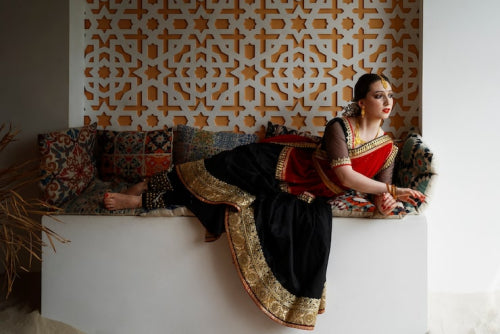
In an era of fast fashion and disposable trends, a more thoughtful movement is quietly reshaping wardrobes around the world. Discerning fashion lovers are increasingly choosing artisan-made sarees not merely as clothing, but as meaningful investments that marry deep cultural heritage, exceptional handcraftsmanship and enduring value. Rooted in India's centuries-old textile traditions, these handwoven pieces are now drawing attention well beyond their place of origin resonating strongly in India, the United States, Canada, the United Kingdom, Australia, Singapore and the United Arab Emirates where people seek genuine artistry in a market flooded with mass-produced options.
Why do these sarees stand apart from ordinary garments? They represent a rare fusion of living heritage, sustainable production and long-term worth. As awareness of ethical and environmentally conscious fashion continues to grow across North America and Europe, handcrafted sarees emerge as timeless heirlooms that carry the stories of the artisans who created them.
Fast fashion erodes cultural heritage, sidelining artisans and reducing traditions to trends. At IndieHaat, we champion India's craftspeople with handcrafted sarees, apparel, décor and skincare rooted in authenticity. Each piece embodies skill and ethical care. Support artisans and preserve India's timeless legacy Shop Now!
The Quiet Resurgence of Handwoven Sarees
Artisan sarees are woven entirely by hand on traditional looms, using only natural fabrics such as linen, silk and cotton. Every sari bears the distinctive marks of its regional origin perhaps the lustrous zari work of Banarasi silk or the understated elegance of a Tussar weave. Far from being museum pieces, they reflect a contemporary shift toward intentional, mindful purchasing.
This revival mirrors wider consumer priorities. Shoppers today actively seek products that honor skilled makers, minimize environmental harm and deliver lasting quality. In India the connection remains deeply cultural, while communities in the US, Canada, the UK and the UAE view these textiles as powerful links to ancestral identity. At the same time, style-conscious markets in Singapore, Australia and parts of Europe embrace them as examples of sustainable luxury that feels both modern and authentic.
Global Shifts Driving Interest
Ethical and Sustainable Fashion Takes Center Stage
Across North America and Europe, buyers increasingly prioritize clothing produced with care for people and planet. Reports from fashion councils and consumer surveys consistently show rising demand for transparent, low-impact textiles. In luxury-oriented hubs such as Dubai, authentic Indian handwoven pieces are prized for their exclusivity and storytelling power.
Artisan sarees align seamlessly with these values. They are created without industrial shortcuts, rely on natural fibers and provide direct, dignified livelihoods for weavers qualities that resonate deeply with today's ethically minded consumer.
E-Commerce Opens Doors Worldwide
Curated online platforms have removed traditional barriers. Sites like IndieHaat, together with major marketplaces such as Amazon and ONDC in India, deliver carefully selected handcrafted pieces directly to customers in cities from Toronto to London, Sydney to Singapore. High-resolution photography, artisan profiles and detailed fabric information help bridge the distance between buyer and maker.
This digital accessibility has made it far easier for enthusiasts in North America and Europe to discover and own one-of-a-kind designs that were once available only through specialist importers or travel.
Renewed Appreciation for Heritage Weaves
Distinct regional styles Tussar silk with its natural sheen, crisp handwoven linen, lightweight Chanderi are experiencing renewed admiration. Collectors and fashion lovers value the limited production and irreplaceable skill behind each piece, often treating them as modern heirlooms rather than seasonal wardrobe additions.
Why These Sarees Represent a Smart Choice
Beyond their visual beauty, handcrafted sarees offer genuine long-term value. Because they are sourced directly from artisans, every design remains truly unique. The exclusive use of pure linen, silk and cotton ensures exceptional durability and a luxurious hand-feel that synthetic alternatives rarely match.
Well-preserved examples frequently become cherished family pieces passed across generations. In resale communities and among collectors, authenticated handlooms from recognized weaving traditions consistently hold or increase in desirability as global appreciation for authentic craftsmanship deepens.
Addressing the Most Common Hesitations
Cost is the question asked most often. Yes, genuine artisan sarees carry a higher price reflecting hours of skilled labor, ethical sourcing practices and the absence of mass-production efficiencies. That premium, however, buys far more than fabric: superior construction, exceptional longevity and the quiet pride of supporting living artisan communities.
Another frequent concern is the inability to touch and feel before purchase. Reputable curators address this through transparent policies, close-up imagery, detailed descriptions of drape and texture, artisan background stories and in many cases generous return or exchange windows that allow buyers to experience the piece at home.
The risk of imitations exists, particularly in international markets, but direct artisan partnerships, emphasis on verifiable pure fabrics and traceability help separate authentic work from mass-produced copies.
Real Impact and Emerging Opportunities
Across target regions the effect is visible and inspiring. In the US and Canada, women blend handwoven sarees into contemporary professional and evening wardrobes. UK and European fashion circles feature them in editorial shoots and sustainable-luxury events. Australian and Singapore boutiques curate them alongside other artisanal pieces, while UAE cultural showcases present them as sophisticated collectibles.
For brands, the path forward lies in authentic storytelling sharing weaver interviews, behind-the-loom footage and cultural context across Instagram, Facebook and YouTube. Thoughtful collaborations with like-minded influencers and participation in ethical-fashion conversations continue to broaden reach.
Buyers gain most by focusing on three priorities: verified authenticity, clear regional provenance and limited-edition character. Pieces chosen with care tend to grow in both personal significance and market recognition over time.
A Lasting Wardrobe Decision
Handcrafted sarees are far more than fashion statements. They embody heritage craftsmanship, environmental responsibility and intelligent acquisition. As digital discovery and global awareness keep expanding, their relevance will only strengthen across India, North America, Europe, Australia, Singapore and the UAE.
For anyone ready to step away from fleeting trends, these treasures deliver something rare: garments that captivate immediately, deepen in meaning with time and retain value far into the future. Choosing one means investing not only in exquisite textile, but in a vibrant, living tradition worth protecting for generations to come.
Frequently Asked Questions
Are handwoven artisan sarees worth the higher price compared to mass-produced options?
Yes artisan-made sarees command a premium because they reflect hours of skilled handloom labor, ethical sourcing and the use of pure natural fibers like silk, linen and cotton. Unlike fast-fashion alternatives, these sarees offer exceptional durability, a luxurious feel and genuine uniqueness, since no two handwoven pieces are identical. Over time, well-preserved handlooms from recognized weaving traditions tend to hold or grow in desirability, making them a smart long-term investment rather than a one-season purchase.
How can I buy authentic handcrafted sarees online without worrying about imitations?
To ensure authenticity when shopping online, look for curated platforms that offer direct artisan partnerships, verified pure-fabric descriptions, regional provenance details and transparent return policies. Reputable sellers like IndieHaat provide high-resolution imagery, artisan profiles and detailed fabric information to help bridge the gap between buyer and maker. Prioritizing pieces with clear weaving-region credentials such as Banarasi silk or Tussar weaves further reduces the risk of purchasing mass-produced imitations.
Why are handwoven Indian sarees becoming popular in the US, UK, Canada and other Western markets?
The growing global interest in ethical and sustainable fashion has brought handwoven Indian sarees into focus across North America, Europe, Australia, Singapore and the UAE. Buyers in these markets are drawn to the combination of cultural storytelling, low environmental impact and direct support for skilled artisan communities values that mass-produced clothing simply cannot offer. E-commerce platforms have also made it easier than ever for international shoppers to discover limited-edition regional weaves that were once accessible only through specialist importers or travel.
Disclaimer: The above helpful resources content contains personal opinions and experiences. The information provided is for general knowledge and does not constitute professional advice.
You may also be interested in: Variations in Saree Draping by Region - Indiehaat.com
Fast fashion erodes cultural heritage, sidelining artisans and reducing traditions to trends. At IndieHaat, we champion India's craftspeople with handcrafted sarees, apparel, décor and skincare rooted in authenticity. Each piece embodies skill and ethical care. Support artisans and preserve India's timeless legacy Shop Now!
Powered by flareAI.co