
What Makes Handcrafted Products Unique
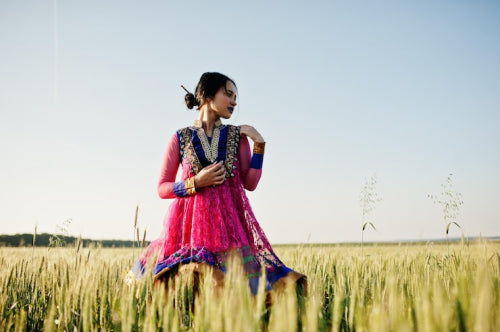
Handcrafted products stand apart because they carry the presence of the people, places, and traditions behind their creation. Unlike items made through highly standardised production processes, handmade pieces often reflect individual choices, skilled techniques, and cultural influences that shape every stage of their making. The uniqueness of handcrafted products comes not only from how they look, but also from the knowledge, effort, and meaning embedded within them. For shoppers interested in thoughtful consumption, handmade goods offer a way to connect with craftsmanship, heritage, and creativity.
Fast fashion erodes cultural heritage, sidelining artisans and reducing traditions to trends. At IndieHaat, we champion India's craftspeople with handcrafted sarees, apparel, décor, and skincare rooted in authenticity. Each piece embodies skill and ethical care. Support artisans and preserve India's timeless legacy Shop Now!
The Human Skill Behind Every Handmade Creation
One of the defining qualities of handcrafted products is the direct involvement of skilled artisans. A handmade item is shaped by experience, attention, and decisions made during the creative process. From selecting materials to applying traditional techniques, artisans bring their own understanding and interpretation to each piece.
This human involvement creates natural variations that make handmade items distinctive. Small differences in patterns, textures, colours, or finishing details are not imperfections; they are reminders that the product was created through a thoughtful process rather than copied through a uniform manufacturing system.
The importance of this knowledge is especially visible in traditional crafts where techniques are passed through generations. Craft communities often preserve specialised methods that represent years of learning and practice. These skills allow artisans to create products that carry a sense of identity and authenticity.
When consumers choose artisan made products, they are often choosing more than an object. They are recognising the creative expertise behind the product and valuing the people who dedicate their time to maintaining these skills.
How Craftsmanship Preserves Cultural Stories
Handcrafted products often serve as expressions of cultural heritage. Designs, materials, and production methods can reflect the history, environment, and traditions of the communities where they originate. This connection gives handmade items a depth that goes beyond their practical purpose.
Traditional crafts frequently include symbols, patterns, and techniques that have developed over generations. These elements can represent local stories, artistic traditions, and community knowledge. As a result, a handcrafted product can become a representation of a place and its cultural memory.
Heritage-based craft practices also demonstrate how traditional knowledge can continue to support creative communities. According to UNESCO, connections between cultural heritage and entrepreneurship show how handcrafted products can create opportunities while helping preserve traditional skills and knowledge. Heritage-based entrepreneurship highlights how craft traditions can remain meaningful while adapting to modern needs.
This balance between preservation and adaptation is one reason handmade products remain relevant. Artisans can protect established methods while creating pieces that suit contemporary lifestyles, allowing traditional craftsmanship to continue evolving.
Handmade Products Versus Mass-produced Alternatives
Understanding handmade products vs mass produced products involves looking beyond price and availability. Mass production is designed for consistency, efficiency, and scale, while handcrafted creation often prioritises detail, individuality, and personal expertise.
Factory-made goods can provide convenience and uniformity, but handmade products often offer a different type of value. The appeal comes from the relationship between the maker and the finished piece. Consumers may appreciate knowing that a product reflects a specific skill, technique, or creative decision.
Handcrafted items also encourage a more thoughtful approach to purchasing. Instead of selecting an item only because it is widely available, buyers can consider the story behind the product, the materials used, and the people involved in creating it.
The unique qualities of handmade items are particularly meaningful for those looking for products that feel personal. A handcrafted accessory, garment, or home décor piece can add character because it does not feel identical to thousands of other products produced through the same process.
Why Handmade Products Create Emotional Value
The value of handmade products often comes from the emotional connection they create. People are increasingly interested in understanding where products come from and how they are made. A handmade item can provide a sense of connection because it represents time, effort, and creativity.
This emotional value can influence how people use and care for their possessions. Products with a story behind them are often treated differently because owners recognise the craftsmanship involved in their creation.
Handcrafted goods can also become meaningful gifts because they communicate thoughtfulness and individuality. Choosing a handmade product allows the giver to share something that feels distinctive rather than selecting a standard item with little personal connection.
The relationship between craftsmanship and personal meaning is one of the strongest reasons handmade products remain valued. Their appeal is not limited to appearance; it comes from the experience and human effort represented by each creation.
The Role of Artisan Communities in Keeping Traditions Alive
Artisan communities play an important role in protecting traditional craftsmanship. Many skills used in handmade production depend on continuous practice, knowledge sharing, and support for future generations of makers.
Traditional weaving communities provide a clear example of why craftsmanship matters. Detailed textile practices often involve processes such as preparing materials, creating patterns, and applying techniques developed over generations. These methods contribute to products with distinctive character and cultural significance.
Reports on traditional weaving heritage have highlighted how handmade textiles represent more than finished products. They preserve community knowledge and demonstrate the connection between creative work, identity, and cultural continuity. Traditional weaving heritage illustrates why supporting skilled makers can help maintain valuable craft traditions.
However, artisan communities can face challenges when handmade methods compete with machine-made alternatives. Changes in consumer preferences, production costs, and opportunities for younger generations can influence whether traditional skills continue. Supporting awareness and appreciation for handcrafted products helps keep these practices visible and valued.
Why Consumers Are Choosing More Meaningful Products
Modern shoppers are increasingly interested in products that reflect personal values, creativity, and authenticity. Beyond functionality, many consumers want to understand the story behind what they purchase and the impact of their choices.
Handcrafted products respond to this interest by offering transparency and connection. Buyers can explore the techniques, materials, and traditions that contribute to a product's creation. This knowledge creates a stronger relationship between the customer and the item.
For people exploring sustainable and conscious shopping habits, handmade goods can represent an alternative to disposable consumption patterns. Choosing carefully made products encourages appreciation for quality, craftsmanship, and long-term value.
The growing appreciation for artisan made products also reflects a broader desire for individuality. In a world where many products are designed for mass appeal, handmade creations provide opportunities to own items that feel distinctive and connected to human creativity.
How Handcrafted Products Bring Tradition Into Modern Life
The uniqueness of handcrafted products comes from their ability to connect the past with the present. Artisans preserve traditional techniques while adapting designs, materials, and styles to meet contemporary preferences.
This combination of heritage and innovation allows handmade products to remain relevant across changing trends. A handcrafted piece can represent traditional knowledge while fitting naturally into modern wardrobes, homes, and lifestyles.
Curated platforms that showcase artisan creations help consumers discover these products and understand the craftsmanship behind them. By sharing the stories, skills, and cultural influences connected to handmade goods, these platforms create greater appreciation for the people behind the products.
IndieHaat's focus on authentic Indian handcrafted apparel, accessories, home décor, and artisan-made products connects naturally with this appreciation for craftsmanship. The uniqueness of each handmade creation lies in the combination of artisan skill, cultural influence, and creative expression that shapes the final piece.
Handcrafted products are unique because they represent more than materials assembled into an object. They capture human creativity, cultural knowledge, and the dedication of artisans who transform traditional skills into meaningful creations. For consumers seeking products with character and connection, handmade goods offer a reminder that the value of an item can come from the story and craftsmanship behind it.
Frequently Asked Questions
What makes handcrafted products unique compared to mass-produced products?
Handcrafted products are unique because they are created through skilled artisan work, traditional techniques, and individual creative decisions. Unlike mass-produced items, handmade products often include distinctive variations in design, texture, and finishing that reflect the maker's expertise and personal touch.
Why are handmade products considered valuable?
Handmade products are valued because they represent craftsmanship, cultural heritage, and the time invested in creating each piece. They often provide a deeper connection between the buyer and the product by sharing the story, skills, and traditions behind the creation process.
How do handcrafted products preserve traditional craftsmanship?
Handcrafted products help preserve traditional craftsmanship by supporting artisan communities and keeping specialised skills alive across generations. Techniques used in handmade creations often carry cultural knowledge, local identity, and creative practices that might not be represented in factory-made goods.
Disclaimer: The above helpful resources content contains personal opinions and experiences. The information provided is for general knowledge and does not constitute professional advice.
You may also be interested in: Why Consumers Are Turning to Handcrafted Products Over Mass
Fast fashion erodes cultural heritage, sidelining artisans and reducing traditions to trends. At IndieHaat, we champion India's craftspeople with handcrafted sarees, apparel, décor, and skincare rooted in authenticity. Each piece embodies skill and ethical care. Support artisans and preserve India's timeless legacy Shop Now!
Powered by flareAI.co