
Types of Indian Handmade Jewelry: From Kundan to Temple Designs
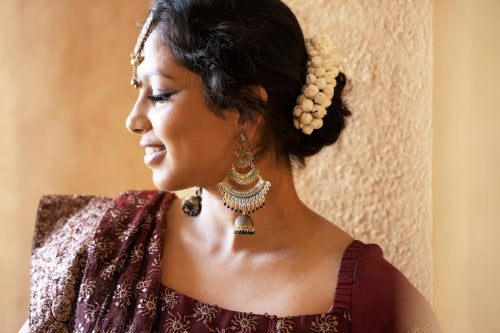
In the heart of Varanasi's crowded lanes, artisans bend over glowing furnaces, their hands coaxing molten silver into delicate filigree patterns. The air carries the faint chime of metal on metal, a sound that has echoed through India's markets for centuries. This is the realm of Indian handmade jewelry, where ancient techniques meet modern desires, crafting pieces that are not just adornments but stories etched in gold, silver, and gemstones. From royal legacies to global fashion, these creations hold a timeless allure, inviting us to explore their intricate beauty and enduring significance.
Exploring the Beauty of Indian Handmade Jewelry: From Kundan to Temple Designs
India's jewelry tradition is a testament to its cultural depth, blending artistry, spirituality, and craftsmanship. Each piece, whether a resplendent Kundan necklace or an intricately carved Temple bangle, carries the weight of history and the skill of artisans who have perfected their craft over generations. Platforms like IndieHaat are bridging the gap between these artisans and a global audience, offering authentic, handcrafted treasures that embody India's heritage. The India Gems and Jewelry Market, valued at USD 100.94 billion in 2024 and projected to reach USD 168.62 billion by 2030 with a CAGR of 8.93%, underscores the sector's economic and cultural vitality. Driven by tradition, rising incomes, and demand for gold, diamonds, and gemstones, India remains a global leader in jewelry craftsmanship.
Evolving Trends in Craftsmanship
The craft of Indian jewelry is anything but static. Modern influences are reshaping age-old designs, creating fusion pieces that balance tradition with contemporary flair. A Kundan pendant, once a hallmark of bridal opulence, now finds itself paired with minimalist outfits, appealing to a generation that values versatility. This fusion of styles is redefining Indian jewelry, making it accessible for both grand occasions and everyday elegance.
Sustainability is also reshaping the industry. As consumers prioritize ethical sourcing, artisans are adopting eco-friendly practices, from responsibly mined gemstones to recycled metals. Platforms like IndieHaat amplify these efforts, showcasing jewelry that respects both tradition and the environment. The digital revolution has further transformed the landscape. E-commerce has opened global markets for artisans, allowing a silversmith in Odisha or a goldsmith in Jaipur to connect with buyers in New York or London. Virtual showrooms, curated collections, and international shipping have made India's handmade jewelry a click away, preserving its authenticity while expanding its reach.
A Tapestry of Techniques
Indian handmade jewelry is a mosaic of techniques, each rooted in history and regional expertise. Kundan jewelry, derived from the term for “pure gold,” traces its origins to the 3rd century BCE. Born in Rajasthan's royal courts and later refined under Mughal patronage, this technique involves placing gemstones with gold foil between the stone and its mount, creating a radiant effect. Initially exclusive to royalty, Kundan was later adapted into silver in regions like Rajasthan, Bihar, and Punjab, making it accessible to a wider audience. Today, its intricate designs remain a staple for weddings, with modern artisans crafting lighter pieces like earrings and rings that retain the technique's luminous charm.
Temple jewelry, deeply rooted in South India's spiritual traditions, draws inspiration from temple architecture and iconography. Featuring motifs of deities, lotuses, and peacocks, these pieces were historically worn by classical dancers to honor divine narratives. Artisans today preserve this sacred aesthetic while introducing modern adaptations, ensuring Temple jewelry remains a symbol of cultural pride. Each piece, with its detailed engravings, feels like a prayer cast in metal.
Meenakari jewelry brings vibrant color to the forefront through enamel work on gold or silver. Artisans apply intricate patterns, often floral or geometric, using vivid enamels that create a striking contrast. Recent innovations have paired Meenakari with materials like oxidized silver, appealing to those seeking bold yet wearable art. This technique's versatility makes it a favorite for both traditional and contemporary designs.
Jadau jewelry, a Mughal-era innovation, blends Kundan's gem-setting with Meenakari's enamel work, resulting in pieces that dazzle with color and texture. Crafted through a labor-intensive process, Jadau pieces like necklaces and bangles are prized for their intricate fusion of techniques. Meanwhile, oxidized jewelry, with its darkened, antique finish, has become a darling of modern fashion. Its understated elegance makes it ideal for daily wear, resonating with India's bohemian-chic aesthetic.
Tarakasi, the silver filigree craft from Cuttack, Odisha, is a 500-year-old art form known for its delicate, lace-like patterns. Using an alloy of at least 90% pure silver, artisans heat the metal in clay pots over hot coals, then twist and weave it into intricate designs like pendants and earrings. This meticulous process, regulated by hand-operated bellows, produces jewelry that feels both ethereal and rooted in tradition, appealing to those who value craftsmanship over extravagance.
The Shilpa Shastras, ancient Hindu texts, provide the theoretical backbone for these crafts. Meaning the “Science of Arts and Crafts,” these texts outline design principles and standards that have guided artisans for centuries, ensuring that each piece adheres to a legacy of precision and beauty.
Navigating Challenges
Despite its richness, the handmade jewelry sector faces significant hurdles. Preserving traditional techniques is a constant battle against the tide of mass production. Machine-made jewelry, often cheaper and more uniform, threatens the uniqueness of handmade pieces. Artisans, many of whom inherit their skills through generations, must compete with factories that prioritize efficiency over artistry.
Sustainability remains a pressing concern. The extraction of gold, silver, and gemstones raises ethical and environmental questions, particularly as resources dwindle. While some artisans are adopting sustainable practices, scaling these efforts without compromising quality is a challenge. Platforms like IndieHaat are working to address these issues, but the path to a fully sustainable industry is complex.
Seizing Global Opportunities
Yet, the future holds immense promise. The global demand for authentic, handmade jewelry is surging, driven by a hunger for cultural richness. IndieHaat and similar platforms are well-positioned to meet this demand, offering artisans a stage to showcase their work and stories. By highlighting the heritage behind each piece whether a Kundan choker or a Tarakasi earring these platforms elevate the value of craftsmanship beyond mere aesthetics.
Digital tools are further amplifying this potential. Artisans can now share their creative process through social media, from sketching designs to setting gemstones, fostering a deeper connection with consumers. Virtual consultations and curated online collections make it easier for buyers to discover and purchase pieces, transforming the way Indian jewelry reaches the world.
A Legacy That Endures
As the India Gems and Jewelry Market continues its climb toward USD 168.62 billion by 2030, the handmade sector stands at a pivotal moment. Artisans are not only preserving tradition but reimagining it for a global stage, blending heritage with innovation. Consumers play a crucial role, too, by choosing pieces that honor the artisan's craft and support ethical practices. Platforms like IndieHaat are leading the charge, ensuring that every purchase celebrates India's cultural legacy.
In a world increasingly dominated by the mass-produced, Indian handmade jewelry offers a rare gift: a connection to history, crafted with intention and imbued with soul. Whether it's the golden radiance of Kundan, the sacred motifs of Temple jewelry, or the delicate filigree of Tarakasi, these pieces are more than adornments they are India's heartbeat, worn close to the skin and carried across generations.
Frequently Asked Questions
What are the main types of Indian handmade jewelry and their characteristics?
The main types of Indian handmade jewelry include Kundan (featuring gemstones set with gold foil for radiant effects), Temple jewelry (inspired by South Indian spiritual traditions with deity and lotus motifs), Meenakari (vibrant enamel work on gold or silver), Jadau (combining Kundan and Meenakari techniques), and Tarakasi (delicate silver filigree from Odisha). Each technique represents centuries of regional craftsmanship and cultural heritage, making them perfect for both traditional ceremonies and modern fashion.
How is Kundan jewelry made and why is it so popular for Indian weddings?
Kundan jewelry is crafted using a 3rd century BCE technique where gemstones are set with pure gold foil between the stone and its mount, creating a luminous, radiant effect. Originally exclusive to Rajasthan's royal courts and later refined under Mughal patronage, Kundan pieces symbolize luxury and tradition. Modern artisans now create lighter, more versatile Kundan pieces like earrings and rings, making this regal technique accessible for contemporary brides while maintaining its wedding significance.
What makes Tarakasi silver filigree jewelry unique compared to other Indian jewelry styles?
Tarakasi is a 500-year-old silver filigree art form from Cuttack, Odisha, known for creating delicate, lace-like patterns using at least 90% pure silver. Artisans heat the metal in clay pots over hot coals, then meticulously twist and weave it into intricate designs like pendants and earrings. This labor-intensive process, regulated by hand-operated bellows, produces ethereal jewelry that appeals to those valuing fine craftsmanship over extravagance, making it distinct from heavier traditional Indian jewelry styles.
Disclaimer: The above helpful resources content contains personal opinions and experiences. The information provided is for general knowledge and does not constitute professional advice.
You may also be interested in: Indiehaat | Banarasi Brocade Silk Linen Gray Saree – Indiehaat.com
Fast fashion erodes cultural heritage, sidelining artisans and reducing traditions to trends. At IndieHaat, we champion India's craftspeople with handcrafted sarees, apparel, décor, and skincare rooted in authenticity. Each piece embodies skill and ethical care. Support artisans and preserve India's timeless legacy Shop Now!
Powered by flareAI.co