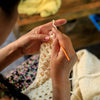
Tussar Silk Sees Renewed Interest Among Buyers

In the forested heartlands of India, where wild silkworms spin their cocoons among oak and arjun leaves, an ancient fabric is experiencing a profound renaissance.
Tussar silk known for its rich, golden hue and distinctive textured feel is emerging as a favored choice among discerning consumers worldwide. Derived from silkworms that thrive in the wild rather than on cultivated mulberry farms, this variety stands apart in an industry increasingly scrutinized for its environmental footprint.
Fast fashion erodes cultural heritage, sidelining artisans and reducing traditions to trends. At IndieHaat, we champion India's craftspeople with handcrafted sarees, apparel, décor, and skincare rooted in authenticity. Each piece embodies skill and ethical care. Support artisans and preserve India's timeless legacy Shop Now!
The Quiet Resurgence of a Wild Silk
Long overshadowed by the finer, more uniform mulberry silk that has dominated luxury segments, Tussar is now prized precisely for its natural imperfections. Its porous weave allows exceptional breathability, while the inherent slubs and subtle sheen lend an organic elegance unmatched by synthetic alternatives.
Production centers in states such as Bihar, Jharkhand, West Bengal, and Odisha remain the global epicenter, where tribal communities and cooperative weavers continue centuries-old practices. Recent years, however, have witnessed a marked increase in demand, extending far beyond traditional Indian attire.
Authoritative market analyses confirm this trajectory. The global Tussar silk market reached approximately USD 380 million in 2025, with projections indicating steady expansion to USD 565 million by 2035, reflecting a compound annual growth rate of 4.1 percent. This growth stems largely from heightened consumer preference for natural, eco-friendly textiles.
Broader silk industry trends provide additional context: the overall silk market is anticipated to grow from USD 21.4 billion in 2025 to USD 31.7 billion by 2030, achieving an impressive 8.2 percent CAGR, fueled by applications in sustainable fashion and innovative materials.
Global Demand and Digital Acceleration
The appeal extends well beyond India's borders. Key export destinations including the United States, United Kingdom, United Arab Emirates, Singapore, and Australia demonstrate robust interest in premium, ethically sourced fabrics.
In the U.S. alone, demand for sustainable silk variants like Tussar has risen significantly, with numerous luxury brands incorporating it into environmentally responsible lines. E-commerce platforms have played a pivotal role, enabling direct connections between remote Indian artisans and international buyers.
Brands such as FabIndia have pioneered the integration of Tussar into modern collections, from elegant sarees and scarves to contemporary ready-to-wear pieces. Online marketplaces further democratize access, allowing consumers in Dubai or Sydney to acquire authentic handwoven items effortlessly.
Sustainability imperatives in these markets align seamlessly with Tussar's credentials: fully biodegradable, minimally processed, and supportive of rural economies. As consumers prioritize traceability and low environmental impact, Tussar emerges as a compelling alternative to petroleum-based synthetics.
Versatile Applications in Fashion and Interiors
Contemporary designers are exploring Tussar's potential with renewed vigor. In apparel, it translates into fluid dresses, lightweight stoles, and layered ensembles that balance comfort with sophistication. Its natural drape and temperature-regulating properties make it particularly suitable for diverse climates.
Beyond clothing, Tussar is gaining traction in home décor. Upholstery fabrics, curtains, and accent pieces benefit from its durability and textured richness, adding warmth and character to modern interiors.
The fabric's ability to accept dyes beautifully while retaining its inherent luster allows for both minimalist expressions and intricate patterns, including traditional block prints and contemporary motifs. Over time, Tussar softens gracefully, developing a patina that enhances its timeless appeal.
Persistent Challenges in Production
Despite promising growth, the Tussar industry confronts structural constraints. The wild nature of its source material cocoons collected from forest trees renders production inherently labor-intensive and weather-dependent. Skilled hand-weaving further limits large-scale output, often resulting in supply variability.
Environmental factors, including climate change impacts on host forests, pose ongoing risks to raw material availability. The artisanal process also contributes to premium pricing, which can deter price-sensitive segments despite growing recognition of its long-term value.
Global awareness remains uneven; while sustainability enthusiasts embrace Tussar, broader education about its unique origins and benefits is essential for sustained expansion.
Strategic Opportunities Ahead
These hurdles simultaneously highlight substantial opportunities. Enhanced collaborations among e-commerce entities, designers, and artisan clusters can improve distribution efficiency and ensure equitable remuneration.
Investments in modern weaving technologies and export infrastructure already underway among forward-thinking producers promise to address scalability without compromising authenticity. Government-supported sericulture programs further bolster training and sustainable harvesting practices.
As traceable, natural materials command greater market share, Tussar is well-positioned to capitalize on shifting consumer values. International partnerships could amplify its presence while preserving cultural heritage and supporting livelihoods in producing regions.
A Sustainable Legacy in the Making
The resurgence of Tussar silk represents more than a market trend it signals a broader realignment toward responsible luxury. In an age of accelerated consumption, this wild silk offers a compelling narrative: one of ecological harmony, artisanal excellence, and enduring beauty.
With solid growth projections and alignment to global sustainability goals, Tussar appears poised for lasting prominence. As discerning buyers increasingly seek garments and furnishings imbued with genuine stories, this ancient fabric from India's forests is ready to claim its place in the contemporary world one golden thread at a time.
Frequently Asked Questions
What is Tussar silk and why is it becoming popular?
Tussar silk is a wild silk variety produced by silkworms that thrive in India's forests, particularly among oak and arjun trees. It's gaining popularity due to its rich golden hue, natural texture, exceptional breathability, and eco-friendly credentials as consumers increasingly prioritize sustainable, biodegradable textiles over synthetic alternatives. The global Tussar silk market reached approximately USD 380 million in 2025 and is projected to grow to USD 565 million by 2035, driven by demand for ethically sourced, natural fabrics.
Where is Tussar silk produced and what are its main uses?
Tussar silk is primarily produced in Indian states such as Bihar, Jharkhand, West Bengal, and Odisha, where tribal communities and cooperative weavers maintain centuries-old practices. Beyond traditional Indian sarees and scarves, it's now used in contemporary fashion including dresses, stoles, and ready-to-wear pieces, as well as home décor applications like upholstery, curtains, and accent pieces. Its natural drape, temperature-regulating properties, and ability to accept dyes beautifully make it versatile for diverse climates and modern design aesthetics.
What are the main challenges facing the Tussar silk industry?
The Tussar silk industry faces several structural constraints, including labor-intensive production due to wild cocoon collection from forest trees, weather dependency, and limited scalability from hand-weaving processes. Climate change impacts on host forests threaten raw material availability, while premium pricing can deter price-sensitive buyers. However, these challenges present opportunities through enhanced e-commerce collaborations, modern weaving technologies, government-supported sericulture programs, and growing international partnerships that can improve distribution while preserving artisanal authenticity.
Disclaimer: The above helpful resources content contains personal opinions and experiences. The information provided is for general knowledge and does not constitute professional advice.
You may also be interested in: How Direct Trade Models Empower Indias Weaving Communities
Fast fashion erodes cultural heritage, sidelining artisans and reducing traditions to trends. At IndieHaat, we champion India's craftspeople with handcrafted sarees, apparel, décor, and skincare rooted in authenticity. Each piece embodies skill and ethical care. Support artisans and preserve India's timeless legacy Shop Now!
Powered by flareAI.co