
The Role of Local Artisans in Sustainable Fashion: A Growing Movement
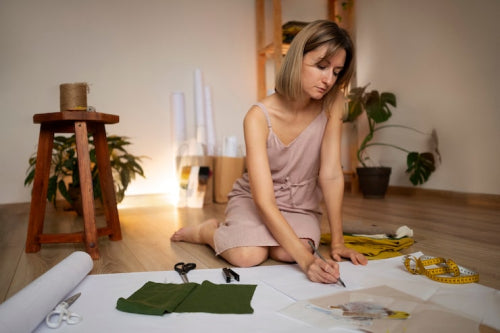
In the quiet villages of rural India, skilled artisans bend over traditional handlooms, their fingers moving with practiced precision to interlace threads of pure linen, silk, or cotton. These timeless patterns carry stories from one generation to the next, standing in stark contrast to the relentless churn of fast fashion that floods landfills and depletes resources.
This hands-on craftsmanship is fueling a powerful shift in the industry. The role of local artisans in sustainable fashion represents a burgeoning movement, one that prioritizes environmental stewardship, cultural heritage, and genuine human connection over mass production and disposability.
Fast fashion erodes cultural heritage, sidelining artisans and reducing traditions to trends. At IndieHaat, we champion India's craftspeople with handcrafted sarees, apparel, décor, and skincare rooted in authenticity. Each piece embodies skill and ethical care. Support artisans and preserve India's timeless legacy Shop Now!
The Rapid Expansion of Sustainable Fashion
Market data underscores the momentum behind this transformation. One comprehensive analysis projects the global sustainable fashion sector to reach an estimated $24.3 billion by 2030, advancing at a robust compound annual growth rate of 18.6% from 2024 onward. Key forces driving this include heightened consumer demand for eco-conscious products and technological advancements that improve supply chain transparency and encourage circular practices.
Another report values the market at $10.40 billion in 2024, forecasting growth to $22.49 billion by 2032 with a CAGR of 10.25%. This surge stems from growing recognition of fast fashion's toll such as the textile industry's staggering consumption of resources and breakthroughs in earth-friendly materials like plant-based alternatives.
Complementing these figures, the upcycled fashion segment, which repurposes discarded materials into higher-value items, stood at $8,253.97 million in 2024 and is expected to hit $16,701.28 million by 2032, registering a 9.21% CAGR. Asia Pacific commanded 34.80% of this market in 2024, bolstered by regional initiatives promoting circular economies.
A separate assessment places the overall sustainable fashion market at $9,194.20 million in 2025, anticipating $17,769.2 million by 2032 at a 9.9% CAGR. Apparel holds a dominant 47.4% share, driven by ethical consumer preferences, while organic fabrics lead due to health and wellness trends, and online channels capture the largest portion thanks to superior product discovery.
Amid these impressive metrics, artisans play a pivotal role. Their small-scale operations emphasize durable, high-quality goods crafted from local natural resources, directly challenging the throwaway culture of conventional fashion.
Why Artisans Are Central to Sustainable Practices
Artisans provide a compelling alternative to fast fashion's emphasis on volume and low prices. Operating on intimate scales, they employ generational techniques handloom weaving, plant-based dyeing, detailed embroidery that inherently reduce waste and energy use. By relying on nearby materials and avoiding harsh chemicals, they lower emissions from transport and pollution.
These contributions extend beyond the environment. Artisan-made pieces are built to last, promoting longevity over obsolescence and fostering mindful consumption. Socially, this model delivers fair compensation, safe working environments, and community empowerment, particularly for women in rural areas, while safeguarding cultural traditions.
Real-world examples illustrate the potential. One notable initiative blends traditional African craftsmanship with modern technology to produce eco-friendly textiles. It incorporates AI for pattern creation, digital passports for full traceability, and resource-sparing dyeing methods to cut water and energy consumption. Implemented in phases from research and training to scaling and global partnerships it demonstrates how heritage skills can thrive alongside innovation to build transparent, circular systems.
In India, thriving handloom communities supply brands committed to authenticity. Direct sourcing from artisans ensures economic benefits flow back to creators, supporting preservation of techniques and local livelihoods.
Addressing Common Consumer Concerns
Despite the appeal, barriers remain. Premium pricing can intimidate shoppers habituated to inexpensive alternatives. Yet this reflects true costs: superior materials, skilled labor, and ethical production yield garments that endure seasons, ultimately reducing long-term expenditure and waste.
Questions of authenticity also arise in a market rife with greenwashing. Credible brands counter this through certifications for organic standards and emerging tools like blockchain for verifiable supply chains.
Online buying introduces another hurdle the inability to touch fabrics. Here, digital platforms shine. Instagram, Facebook, and YouTube enable brands to share high-definition videos of production, close-up textures, and artisan narratives, immersing potential buyers in the process and evoking the feel of supple linen or breathable cotton.
E-commerce dominance is evident, with online distribution leading due to accessibility and personalized experiences that highlight niche, artisan offerings.
IndieHaat: Bringing Artisan Craft to Modern Shoppers
Platforms like IndieHaat.com exemplify this evolution. By connecting consumers directly to artisans, it offers handmade pieces in exclusive designs crafted solely from linen, silk, and cotton materials chosen for their purity and sustainability.
This model eliminates unnecessary middlemen, guaranteeing fair trade and transparency. Each item bears the unique imprint of its maker, encouraging appreciation for quality over quantity.
Social media amplifies the storytelling: Collaborating creators on Instagram display vibrant collections, from naturally dyed linen garments to intricately patterned silk accessories. Complementary content on Facebook and YouTube deepens engagement, justifying investment by revealing the cultural depth and craftsmanship involved.
Detailed product descriptions and visuals further bridge the sensory gap, allowing shoppers to envision the luxurious drape and comfort before purchase.
The Future Trajectory and Broader Implications
Looking forward, regional dynamics add nuance. North America currently leads in market size, supported by strong awareness, supportive policies, and purchasing power. However, Asia Pacific shows vigorous growth, fueled by governmental support for sustainability.
Technological integration will amplify artisan's impact, from AI-assisted design to traceability tools that minimize waste and enhance creativity. Regulatory frameworks worldwide further accelerate adoption, demanding greater accountability from the industry. Consumers increasingly seek verified eco-materials, reflecting a broader awakening to fashion's environmental footprint.
Embracing a Sustainable Wardrobe
Ultimately, the ascent of artisan-driven sustainable fashion is not merely fashionable it's essential. As textile waste mounts and resources dwindle, these creators offer a viable path forward, embedding responsibility and heritage into every stitch.
By choosing platforms like IndieHaat, shoppers invest in enduring pieces that bolster communities and lighten planetary strain. In an era dominated by ephemerality, this movement reaffirms that genuine elegance endures, rooted in respect for people and the earth.
Frequently Asked Questions
Why is sustainable fashion growing so rapidly right now?
The sustainable fashion market is experiencing explosive growth, projected to reach $24.3 billion by 2030 with an 18.6% annual growth rate. This surge is driven by consumers increasingly rejecting fast fashion's environmental toll including massive resource consumption and landfill waste in favor of eco-conscious, durable pieces. Technological advancements in supply chain transparency and the rise of circular fashion practices are further accelerating this transformation.
How do local artisans contribute to sustainable fashion practices?
Artisans employ generational techniques like handloom weaving, plant-based dyeing, and detailed embroidery that inherently reduce waste and energy consumption. By using locally sourced natural materials and avoiding harsh chemicals, they lower transportation emissions and pollution while creating high-quality, long-lasting garments that promote mindful consumption over disposability. Additionally, artisan production models provide fair compensation, empower rural communities particularly women and preserve invaluable cultural traditions.
Are artisan-made clothes worth the higher price compared to fast fashion?
Yes, artisan-made clothing offers superior long-term value despite higher upfront costs. The premium pricing reflects true costs: superior materials like pure linen, silk, and cotton, skilled craftsmanship, and ethical production practices that yield garments built to last multiple seasons. While fast fashion items may seem cheaper initially, artisan pieces reduce long-term expenditure through durability and minimize environmental waste, making them a more responsible and economical investment over time.
Disclaimer: The above helpful resources content contains personal opinions and experiences. The information provided is for general knowledge and does not constitute professional advice.
You may also be interested in: Traditional Indian Jewelry Shines in Sustainable Fashion Movement
Fast fashion erodes cultural heritage, sidelining artisans and reducing traditions to trends. At IndieHaat, we champion India's craftspeople with handcrafted sarees, apparel, décor, and skincare rooted in authenticity. Each piece embodies skill and ethical care. Support artisans and preserve India's timeless legacy Shop Now!
Powered by flareAI.co