
The Rise of Handmade Sarees: Embracing Craftsmanship in Modern Fashion
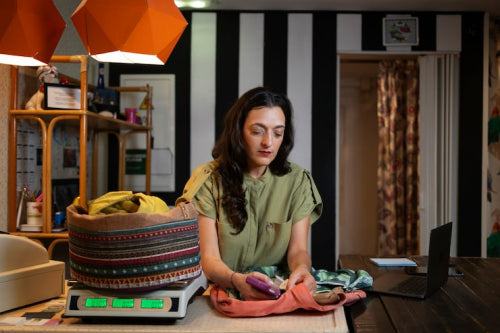
The rise of handmade sarees marks a profound shift in how we think about fashion one where heritage meets conscience and every fold tells a story of human skill and deliberate creation. What began as ceremonial attire in Indian households now graces diverse wardrobes across North America and Europe, from everyday elegance in Toronto to statement pieces at London events. As shoppers in the United States, Canada and across Europe increasingly turn away from disposable trends toward meaningful, sustainable choices, these artisan-crafted garments offer authenticity that fast fashion simply cannot replicate.
In today's landscape, where environmental awareness shapes buying habits, the enduring appeal of handmade sarees feels both timely and timeless. Each one emerges from the hands of skilled weavers employing techniques passed down through generations, using natural fibers and minimal machinery. This stands in stark contrast to the high-volume output of industrial production. The global handloom products market, valued at USD 8.95 billion in 2025, reflects robust interest in sustainable, culturally rich textiles, with Asia Pacific led by India maintaining strong dominance through its deep artisan traditions.
Among handloom items, sarees continue to lead, capturing significant share thanks to their versatility, beauty and connection to sustainable fashion. Styles like the luxurious gold-embellished Banarasi, the lustrous Kanjeevaram silk and the colorful Paithani embody India's weaving diversity and draw admirers worldwide.
Fast fashion erodes cultural heritage, sidelining artisans and reducing traditions to trends. At IndieHaat, we champion India's craftspeople with handcrafted sarees, apparel, décor and skincare rooted in authenticity. Each piece embodies skill and ethical care. Support artisans and preserve India's timeless legacy Shop Now!
The Heart of the Craft: Handmade Sarees in India
India's vibrant handloom sector forms part of a thriving handicrafts industry. The India handicrafts market saw strong revenue in recent years, with apparel and accessories including handloom textiles playing an essential role alongside categories like woodwork. Government support, growing local pride in slow fashion and international attention have all contributed to this momentum.
Regional weaves remain at the core: opulent Banarasi from Varanasi, crisp Kanjeevaram from Tamil Nadu, vibrant Paithani from Maharashtra. These pieces carry not just aesthetic value but also narratives of place and people, resonating deeply with those who value cultural depth over fleeting trends.
Global Reach: Growing Interest in the US, Canada and Europe
Long anchored by vibrant Indian diaspora communities, demand for handmade sarees now extends far beyond those roots in Western markets. In the United States and Canada, online platforms highlight surging interest in luxury ethnic wear, where buyers seek garments that reflect personal values like sustainability and individuality. European cities from Paris boutiques to Berlin multicultural gatherings feature these sarees as thoughtful alternatives to mass-produced clothing, praised for their gentle environmental impact.
Similar patterns appear in the UK, where ethnic fashion enjoys steady appreciation. Premium shoppers in other regions also respond to the cultural resonance and craftsmanship these textiles offer, whether for personal style or meaningful gifts.
Reasons Behind the Worldwide Appeal
- Sustainability advantage: Hand processes and natural materials reduce ecological strain, attracting eco-aware consumers across North America and Europe.
- One-of-a-kind quality: Each saree bears unique variations from the loom, delivering true individuality impossible in factory runs.
- Heritage connection: Wearing one quietly honors tradition, striking a chord in multicultural, globally minded societies.
Brands and Platforms Connecting Artisans to the World
Specialized brands and marketplaces serve as vital bridges, linking weavers directly with buyers in the United States, Canada, Europe and beyond. Customers can follow a saree's path from village loom to their own closet, fostering transparency and trust. Partnerships between heritage artisans and modern designers bring fresh interpretations traditional motifs reimagined in contemporary cuts broadening appeal without diluting roots.
E-commerce accelerates this connection, with dedicated handmade platforms enabling effortless international purchases. Social media adds powerful visual narratives: detailed shots of intricate patterns, glimpses of the weaving process and real stories from those who wear and cherish these pieces.
Addressing the Realities of Growth
Expansion brings challenges worth acknowledging. In India, an aging generation of weavers and fewer young entrants raise concerns about preserving skills for the future. The premium nature of true handmade work reflecting time, expertise and ethical practices means higher costs compared to machine alternatives, which can affect accessibility for some international buyers.
Awareness remains uneven outside core communities in certain markets and navigating cross-border regulations requires careful attention from brands scaling globally.
Looking Forward: E-Commerce, Ethics and Creative Partnerships
Yet the outlook shines bright. Direct channels empower artisans and deliver clear, responsible options to global shoppers. Sustainability stands as the most compelling draw buyers in Europe and North America continue to favor textiles that prioritize fair sourcing and low impact.
Cultural bridges multiply: events and showcases in key cities highlight Indian craftsmanship, while designer collaborations spark innovative blends that keep the tradition dynamic and relevant for new generations.
An Enduring Choice for Thoughtful Style
Handmade sarees have moved beyond ritual wear to become wardrobe staples for anyone craving depth in their clothing. As interest in conscious fashion swells across the United States, Canada and Europe, these garments quietly affirm that genuine luxury stems from human touch, cultural legacy and mindful creation. In a fast-moving world chasing the next novelty, the patient elegance of a handwoven saree delivers something lasting: a tangible link to craft, community and care.
Frequently Asked Questions
Why are handmade sarees considered more sustainable than machine-made alternatives?
Handmade sarees are crafted using natural fibers, traditional hand-weaving techniques and minimal machinery, which significantly reduces their ecological footprint compared to industrial textile production. Skilled artisans employ methods passed down through generations, avoiding the high-volume, resource-intensive processes common in fast fashion. This makes them a compelling choice for eco-conscious shoppers in North America and Europe who prioritize ethical, low-impact clothing.
What are the most popular types of handmade sarees and where do they come from?
Some of the most sought-after handmade sarees include the gold-embellished Banarasi from Varanasi, the lustrous Kanjeevaram silk from Tamil Nadu and the colorful Paithani from Maharashtra. Each style reflects a distinct regional weaving heritage, carrying both aesthetic beauty and deep cultural significance. Their uniqueness and connection to place are a major part of what draws buyers worldwide to these artisan textiles.
How can buyers in the US, Canada and Europe purchase authentic handmade sarees?
Specialized e-commerce platforms and dedicated handmade marketplaces now make it easy for international buyers to source authentic handwoven sarees directly from Indian artisans. Many brands offer full supply-chain transparency, allowing customers to trace a saree's journey from village loom to their doorstep. Social media also plays a growing role, with visual storytelling including weaving process clips and wearer testimonials helping global shoppers make informed, meaningful purchases.
Disclaimer: The above helpful resources content contains personal opinions and experiences. The information provided is for general knowledge and does not constitute professional advice.
You may also be interested in: The Role of Design Innovation in Modernizing Traditional Indian Crafts
Fast fashion erodes cultural heritage, sidelining artisans and reducing traditions to trends. At IndieHaat, we champion India's craftspeople with handcrafted sarees, apparel, décor and skincare rooted in authenticity. Each piece embodies skill and ethical care. Support artisans and preserve India's timeless legacy Shop Now!
Powered by flareAI.co