The Quiet Demand for Maheshwari Sarees Among Urban Professionals
Quick Listen:
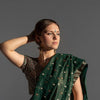
In the heart of Bengaluru's corporate district, a financial analyst drapes a Maheshwari saree, its handwoven silk shimmering with understated grace. This traditional textile from Madhya Pradesh is no longer confined to festive occasions it's becoming a symbol of cultural pride and professional poise for urban women across India and beyond. Driven by a surge in sustainable fashion and the power of e-commerce, Maheshwari sarees are carving a niche in modern wardrobes. What fuels this quiet revolution in handcrafted elegance? The answer lies in heritage, innovation, and a global appetite for authenticity.
Fast fashion erodes cultural heritage, sidelining artisans and reducing traditions to trends. At IndieHaat, we champion India's craftspeople with handcrafted sarees, apparel, décor, and skincare rooted in authenticity. Each piece embodies skill and ethical care. Support artisans and preserve India's timeless legacy Shop Now!
A Legacy Woven in Time
Originating in the 18th century under the patronage of Queen Ahilyabai Holkar, Maheshwari sarees are a testament to Madhya Pradesh's rich textile heritage. Crafted from silk and cotton, these lightweight sarees feature intricate geometric motifs, each piece a labor of love woven by skilled artisans over days. Their appeal transcends nostalgia, offering a versatile elegance that suits both corporate boardrooms and cultural celebrations. Today, urban professionals in cities like Mumbai, Delhi, and Dubai are embracing Maheshwari sarees for their blend of tradition and contemporary flair.
The Indian saree market, valued at USD 5.76 billion in 2024, is expected to grow to USD 10.33 billion by 2033, with a compound annual growth rate of 6.70%, according to IMARC Group. This expansion is propelled by a growing preference for eco-friendly handloom sarees, bolstered by government measures like Geographical Indication tags and the Handloom Mark, which ensure authenticity while supporting artisans. The rise of online platforms, with features like AI-driven personalization and virtual try-ons, has made these sarees more accessible, drawing in younger, environmentally conscious consumers.
Redefining Professional Elegance
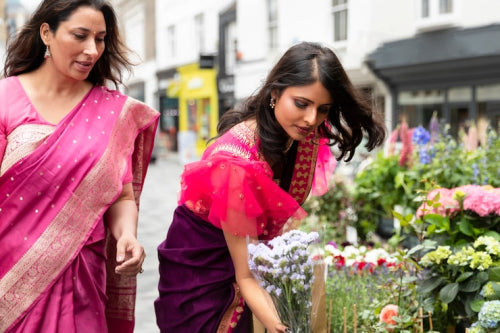
Picture a tech hub in Hyderabad or a sleek co-working space in Singapore: a Maheshwari saree, paired with a crisp blazer or delicate jewelry, stands out for its refined simplicity. Urban professionals are drawn to these sarees for their ability to bridge heritage and modernity. A consultant in Chennai might choose a muted Maheshwari for a high-stakes presentation, its subtle luster exuding confidence. In contrast, a vibrant weave might grace a corporate Diwali event in Gurgaon, celebrating cultural roots with style.
E-commerce has transformed access to Maheshwari sarees. Platforms like Amazon India and niche brands such as Anavila offer seamless shopping experiences, complete with virtual fitting tools and tailored designs. Social media, especially Instagram, has amplified this trend, with influencers in India and the UAE styling Maheshwari sarees for modern audiences. The IMARC Group notes that the integration of social commerce and digital innovations is expanding the market, with urban professionals in India, Australia, and Singapore leading the charge for handwoven textiles.
A Global Stage for Maheshwari Weaves
Maheshwari sarees are transcending India's borders, finding admirers in global fashion capitals. In London, boutiques showcase these sarees alongside international ethnic wear, their lightweight texture appealing to both diaspora communities and global fashion enthusiasts. In Dubai, a fashion influencer might share a Maheshwari saree look for a cultural gala, igniting interest among professionals seeking distinctive attire. From Paris to New York, international fashion exhibitions highlight Maheshwari weaves for their sustainable craftsmanship.
Celebrity endorsements play a pivotal role in this global reach. When a prominent actor or influencer wears a Maheshwari saree, the impact ripples across social media, captivating professionals in the US and UK. The saree's eco-friendly production using natural fibers and traditional looms aligns with global sustainability trends, attracting younger demographics. According to IMARC Group, strategic eco-conscious branding is a key factor in boosting the saree market's share, making Maheshwari weaves a global symbol of ethical fashion.
Navigating Market Challenges
Despite their rising popularity, Maheshwari sarees face obstacles in achieving widespread adoption. Outside India, particularly in markets like the UK or Singapore, awareness remains limited. Sarees are often perceived as formal or complex to drape, deterring professionals with fast-paced lifestyles. Educating global audiences about the saree's versatility and ease of wear is critical to overcoming these misconceptions.
Cost is another hurdle. Handwoven Maheshwari sarees, crafted with meticulous care, typically range from USD 50 to USD 200, depending on design complexity. For professionals on tighter budgets, this price point can feel prohibitive compared to machine-made alternatives. Accessibility also poses challenges while e-commerce thrives in India, sourcing authentic Maheshwari sarees in regions like the UAE or Australia often involves navigating specialized platforms or incurring high shipping costs.
Seizing Opportunities in Handcrafted Fashion
The e-commerce surge offers immense potential for Maheshwari sarees. Indian brands like Sabyasachi and smaller labels such as Raw Mango have embraced digital marketing, positioning Maheshwari sarees as essential for the modern wardrobe. These platforms emphasize the artisan's stories, creating an emotional connection with buyers. The sustainability of Maheshwari sarees produced with minimal environmental impact resonates with urban professionals prioritizing ethical consumption.
Global collaborations could further elevate the saree's profile. A partnership between a Maheshwari artisan collective and a Singapore-based designer, for instance, could yield a collection tailored for corporate wear, blending traditional weaves with urban aesthetics. The IMARC Group highlights how government initiatives, such as the Handloom Mark, empower artisans while enabling brands to scale authentically, paving the way for Maheshwari sarees to become a global staple.
Weaving a Future of Elegance
As twilight falls over a Mumbai skyline, a young entrepreneur adjusts her Maheshwari saree before a pitch meeting. The fabric's gentle rustle carries centuries of artistry, yet feels effortlessly modern in her urban world. Maheshwari sarees are more than textiles they are a fusion of heritage and aspiration, tradition and innovation. With the Indian saree market projected to reach USD 10.33 billion by 2033, per IMARC Group, these weaves are poised for a vibrant future.
Industry experts foresee Maheshwari sarees securing a permanent place in professional fashion, merging cultural identity with workplace sophistication. For businesses, success lies in leveraging digital platforms, social media, and sustainable narratives to connect with global professionals. For the artisans of Madhya Pradesh, every saree sold is a triumph of their craft a quiet yet powerful revolution, draped in silk and cotton, ready to redefine elegance worldwide.
Frequently Asked Questions
What makes Maheshwari sarees suitable for professional workwear?
Maheshwari sarees are lightweight, handwoven textiles made from silk and cotton that offer refined simplicity and versatility. Their subtle elegance pairs well with modern office attire like blazers, making them ideal for corporate settings while honoring traditional Indian craftsmanship. Urban professionals appreciate their ability to bridge heritage with contemporary style for boardroom presentations and workplace events.
How much do authentic handwoven Maheshwari sarees cost?
Authentic handwoven Maheshwari sarees typically range from USD 50 to USD 200, depending on the complexity of the design and craftsmanship involved. While this price point reflects the meticulous handloom work by skilled artisans, it may be higher than machine-made alternatives. E-commerce platforms and government certifications like the Handloom Mark help ensure authenticity when purchasing.
Why are Maheshwari sarees gaining popularity globally among sustainable fashion consumers?
Maheshwari sarees appeal to eco-conscious consumers because they're produced using natural fibers and traditional handlooms with minimal environmental impact. The growing Indian saree market, projected to reach USD 10.33 billion by 2033, is driven partly by demand for sustainable handloom textiles. International fashion capitals from London to Dubai are showcasing these sarees as symbols of ethical fashion that blend cultural heritage with modern sustainability values.
Disclaimer: The above helpful resources content contains personal opinions and experiences. The information provided is for general knowledge and does not constitute professional advice.
You may also be interested in: Tussar Silk: The Eco-Friendly Choice for Saree Lovers – Indiehaat
Fast fashion erodes cultural heritage, sidelining artisans and reducing traditions to trends. At IndieHaat, we champion India's craftspeople with handcrafted sarees, apparel, décor, and skincare rooted in authenticity. Each piece embodies skill and ethical care. Support artisans and preserve India's timeless legacy Shop Now!
Powered by flareAI.co