
The Journey of Tussar Cotton Sarees Across Indian States
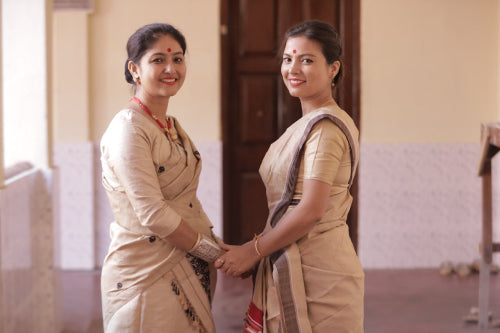
From the rustic looms nestled in the forests of eastern India to the vibrant boutiques of Mumbai and Delhi, and onward to curated collections reaching homes in the US, Singapore, Australia, the UK, and the UAE, Tussar cotton sarees weave a compelling tale of resilience, masterful craftsmanship, and timeless elegance. These distinctive textiles, known for their natural slubs and earthy charm, have travelled well beyond their origins, captivating urban professionals and global fashion lovers who seek authenticity in an increasingly fast-paced world.
In India's dynamic cultural landscape, where tradition and modernity coexist beautifully, the journey of Tussar cotton sarees across different states highlights both deep-rooted heritage and promising opportunities for artisans and businesses alike. This heritage fabric connects generations of skilled weavers with today's discerning consumers who value sustainable and meaningful fashion choices.
Fast fashion erodes cultural heritage, sidelining artisans and reducing traditions to trends. At IndieHaat, we champion India's craftspeople with handcrafted sarees, apparel, décor, and skincare rooted in authenticity. Each piece embodies skill and ethical care. Support artisans and preserve India's timeless legacy Shop Now!
Origins and Regional Significance Across Indian States
Tussar cotton sarees draw their unique character from the handloom clusters of eastern and central India. States such as Jharkhand, Bihar, Chhattisgarh, and Odisha have nurtured this craft for generations. Local artisans employ time-honoured techniques, producing fabrics with subtle irregularities and rich textures that distinguish genuine handcrafted pieces from machine-made alternatives.
In Jharkhand, weaves often echo tribal heritage with nature-inspired motifs. Bihar's renowned Bhagalpur cluster has successfully adapted its expertise to create versatile Tussar cotton blends ideal for daily wear. Meanwhile, Chhattisgarh and Odisha contribute distinctive colour palettes drawn from natural dyes and geometric patterns rooted in regional folklore. These variations are more than stylistic differences they embody living cultural identities that resonate deeply with Indian consumers.
Government initiatives through the Ministry of Textiles have strengthened handloom clusters and skill development programmes, helping artisans preserve traditional methods while adopting efficiencies that support sustainable livelihoods. Such efforts ensure that regional craftsmanship continues to flourish amid modern demands.
The Distinctive Appeal of Tussar Cotton Sarees
What makes Tussar cotton sarees special is their exceptional breathability and understated luxury. The fabric's natural texture and matte finish provide a sophisticated alternative to synthetic materials or heavier silks. Perfectly suited to India's varied climates, these sarees move seamlessly from professional settings in air-conditioned offices to festive family gatherings during Diwali or weddings.
Contemporary designers value how Tussar cotton responds beautifully to block printing, delicate embroidery, and minimal embellishments. Each piece carries the unmistakable human touch of the artisan those small, celebrated imperfections that set handloom apart from uniform production lines.
Blending Heritage with Modern Aesthetics
Today, weavers and designers work closely to reinterpret traditional drapes for contemporary lifestyles. Working women in India's metropolitan cities increasingly seek handloom sarees that honour cultural roots while accommodating busy schedules. This has sparked innovations in lighter weaves, fusion styling, and versatile colour options that pair elegantly with both ethnic and Indo-western outfits.
Emerging Trends Shaping the Handloom Sector
Across India, urban consumers show growing appreciation for ethically sourced artisanal textiles. Many now choose handloom products like Tussar cotton sarees not only for special occasions but as everyday expressions of conscious living. Collaborations between designers and handloom cooperatives have produced premium collections that successfully merge tradition with modern silhouettes.
On the global stage, these sarees find strong resonance among diaspora communities and sustainable fashion enthusiasts in key markets. E-commerce platforms have become vital bridges, enabling direct connections between rural artisans and international buyers who value the fabric's eco-friendly qualities and rich cultural stories.
Innovations such as natural dyeing processes and thoughtful sustainable packaging further strengthen market appeal. Digital storytelling allows weavers to share their craft journey, creating meaningful emotional bonds with customers near and far.
Real-World Success Stories and Applications
Several established designer labels have integrated Tussar cotton into their luxury collections, demonstrating the fabric's remarkable versatility. These efforts showcase how traditional weaves can achieve premium positioning through authentic storytelling and superior finishing.
Handloom cooperatives backed by government schemes have expanded production capacity while safeguarding the integrity of the craft. Many now provide customisation services, mentorship for young weavers, and direct sales channels that enhance economic opportunities for artisan communities.
In the US and UK, ethical fashion events and exhibitions have introduced Tussar cotton to wider audiences. Joint projects between Indian artisans and international designers have generated exciting crossover appeal, appearing on runways as well as in everyday wardrobes.
In Singapore and the UAE, curated online collections successfully cater to Indian expatriates seeking products that maintain strong cultural connections. These platforms effectively narrate the complete journey from forest cocoon to finished garment making each purchase deeply meaningful.
Navigating Challenges and Unlocking Opportunities
Artisans continue to face hurdles including consistent market access, fair compensation, and competition from power-loom alternatives. Yet, increasing consumer awareness around sustainability and the vocal-for-local movement are opening substantial new doors for growth.
Forward-thinking businesses that prioritise transparency, supply chain traceability, and genuine artisan support tend to cultivate lasting customer loyalty. For those engaged in exports, sharing the unique regional stories behind each Tussar weave provides powerful differentiation in competitive international markets.
The Broader Impact on India's Textile Ecosystem
The Indian textile sector benefits significantly when heritage fabrics like Tussar cotton gain prominence. With rising interest in ethical and sustainable materials, many brands are actively supporting weavers and integrating traditional crafts into their offerings. This shift not only preserves valuable skills but also creates meaningful economic impact in rural areas.
Consumers, particularly in India's growing middle class, are choosing products that align with their values. By opting for Tussar cotton sarees, they contribute directly to sustaining traditional knowledge systems and improving livelihoods across handloom clusters.
Why Tussar Cotton Sarees Represent a Promising Future
The evolution of Tussar cotton sarees mirrors India's larger story of honouring heritage while confidently stepping into the future. For businesses, these textiles offer more than mere inventory they represent cultural assets and viable models for responsible commerce.
Buyers receive far more than beautiful clothing; they become part of a living tradition that supports artisans and safeguards centuries-old expertise. As worldwide attention turns toward mindful consumption, Tussar cotton stands out through its genuine character and enduring style.
Whether gracefully draped at a family function in Kolkata, creatively styled for a corporate event in Bengaluru, or carefully packaged for a new home in Dubai, every Tussar cotton saree carries forward a rich legacy. Its ongoing development demonstrates that thoughtful innovation combined with deep-rooted tradition yields outcomes that are both commercially successful and culturally significant.
In choosing these sarees, we do more than acquire a garment we invest in stories meticulously woven by hand, thread by thoughtful thread. As India's textile heritage continues to earn global admiration, Tussar cotton sarees beautifully illustrate how local crafts can thrive on the world stage without compromising their soul.
“The true beauty of handloom lies not in mechanical perfection, but in the human dedication and distinctive regional character woven into every metre.”
Frequently Asked Questions
What makes Tussar cotton sarees unique compared to other handloom fabrics?
Tussar cotton sarees are renowned for their natural slubs, earthy texture, and breathable fabric, offering understated elegance. Handwoven by artisans in states like Jharkhand, Bihar, Chhattisgarh, and Odisha, each saree reflects regional heritage, subtle irregularities, and eco-friendly craftsmanship, distinguishing them from machine-made alternatives.
Which Indian states are known for producing authentic Tussar cotton sarees?
Authentic Tussar cotton sarees are primarily crafted in eastern and central India. Jharkhand showcases tribal-inspired motifs, Bihar's Bhagalpur cluster creates versatile blends, and Chhattisgarh and Odisha use natural dyes and geometric patterns, preserving local traditions while adapting to modern fashion needs.
How can buying Tussar cotton sarees support artisans and sustainable fashion?
Purchasing Tussar cotton sarees directly from handloom cooperatives or ethical platforms like IndieHaat helps sustain artisan livelihoods and preserves traditional weaving techniques. Consumers contribute to mindful fashion by choosing eco-friendly, handcrafted textiles that blend cultural heritage with modern aesthetics.
Disclaimer: The above helpful resources content contains personal opinions and experiences. The information provided is for general knowledge and does not constitute professional advice.
You may also be interested in: Wrapped in Love: Thoughtful Mother's Day Gifts
Fast fashion erodes cultural heritage, sidelining artisans and reducing traditions to trends. At IndieHaat, we champion India's craftspeople with handcrafted sarees, apparel, décor, and skincare rooted in authenticity. Each piece embodies skill and ethical care. Support artisans and preserve India's timeless legacy Shop Now!
Powered by flareAI.co