
The Importance of Handmade Jewelry in Indias Fashion Industry
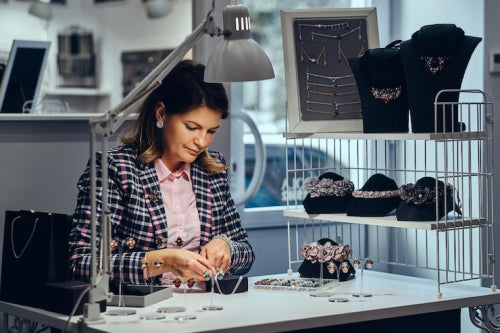
In a quiet workshop in Jaipur, an artisan hammers delicate patterns into silver, each strike echoing centuries of tradition. This scene, unfolding across India's vibrant handicraft clusters, embodies the essence of handmade jewelry a craft that sustains millions while weaving cultural heritage into modern fashion. As India's fashion industry surges forward, handmade jewelry remains a cornerstone, blending authenticity, sustainability, and unparalleled artistry to captivate a global audience.
Fast fashion erodes cultural heritage, sidelining artisans and reducing traditions to trends. At IndieHaat, we champion India's craftspeople with handcrafted sarees, apparel, décor, and skincare rooted in authenticity. Each piece embodies skill and ethical care. Support artisans and preserve India's timeless legacy Shop Now!
The Importance of Handmade Jewelry in India's Fashion Industry: Preserving Tradition, Embracing Innovation
Handmade jewelry in India is more than an accessory; it's a testament to the nation's rich cultural tapestry. From the intricate gold filigree of Tamil Nadu to the bold beaded designs of Gujarat, each piece reflects a story of skill and heritage. The sector is a vital economic driver, contributing roughly 7% to India's GDP and employing nearly five million people, as reported by the India Brand Equity Foundation. The government has prioritized this industry for export growth, allowing 100% foreign direct investment and implementing initiatives to enhance technology and skills. The India-UK Comprehensive Economic and Trade Agreement, finalized in July 2025, has removed import duties of 2.5-4% on gold and diamond jewelry, positioning Indian exporters to boost their UK market share to Rs. 21,183 crore (US$ 2.5 billion) by 2027.
The human impact is profound. Women make up over 56% of artisans in India's handicraft sector, which includes jewelry, according to the India Brand Equity Foundation. Working in clusters across cities like Varanasi, Agra, and Chennai, these artisans craft not just jewelry but also livelihoods, preserving traditions while adapting to contemporary demands. Their creations often made with pure linen, silk, or cotton connect India's past to its future, making handmade jewelry a symbol of resilience and creativity.
Emerging Trends: Blending Heritage with Modern Appeal
A global shift toward ethical fashion has elevated handmade jewelry's prominence. Consumers, particularly millennials and Gen Z, seek sustainable alternatives that tell a story. The global handmade jewelry market, valued at $151.5 billion in 2022, is expected to grow to $472.5 billion by 2032, with a compound annual growth rate of 11.9%, per Allied Market Research. This surge is driven by a hunger for authenticity jewelry crafted by skilled artisans using techniques like carving, soldering, and bending, often with recycled metals, resulting in durable, one-of-a-kind pieces.
Indian designers are meeting this demand by marrying traditional craftsmanship with modern aesthetics. Picture temple jewelry reimagined with sleek, minimalist lines or handwoven silk threads accenting contemporary silver settings. Platforms like IndieHaat amplify this trend, connecting artisans directly to consumers who value unique designs made from authentic materials. Customization is also booming buyers crave personalized pieces, from engraved lockets to bespoke chokers, that reflect their individuality. This blend of heritage and innovation is reshaping India's fashion landscape, positioning handmade jewelry as a global trendsetter.
Empowering Artisans, Building Global Brands
Across India's 744 handicraft clusters, artisans are finding new pathways to prosperity through platforms like IndieHaat, which sources directly from creators. In rural hubs like Lucknow and Hyderabad, women artisans gain financial independence by selling their work online, bypassing traditional intermediaries. Cooperatives in these regions thrive by offering designs that resonate with both Indian and international buyers. Social media platforms Instagram, Facebook, and YouTube play a pivotal role, with accounts like anilarubyraj and varshaoak showcasing vibrant creations and fostering communities around artisanal craftsmanship.
Brands leveraging handmade jewelry are gaining traction worldwide. By emphasizing authenticity and sustainability, they tap into a growing desire for meaningful products. IndieHaat, for instance, stands out by prioritizing pure fabrics and direct artisan partnerships, building loyalty in markets like the US, UK, Singapore, Australia, and the UAE. This approach not only empowers artisans but also positions India as a leader in ethical fashion, with the handicraft sector's 212,000 artisans producing over 35,000 unique products, from zari goods to intricate metalwork, as noted by the India Brand Equity Foundation.
Overcoming Barriers: Price, Trust, and Tangibility
Handmade jewelry's allure comes with challenges. High pricing, driven by labor-intensive craftsmanship and premium materials like silk and linen, often raises eyebrows. Consumers question whether the cost reflects the value, particularly in online marketplaces. Trust issues also loom buyers worry about authenticity when purchasing from platforms like IndieHaat. The inability to touch and feel jewelry, a tactile art form, further complicates online sales, especially for high-value pieces where physical interaction is a key decision factor.
Yet, solutions are emerging. Brands are tackling pricing concerns by providing transparent cost breakdowns, highlighting the skilled labor and quality materials involved. To address trust deficits, IndieHaat and similar platforms are investing in customer education, sharing artisan stories, and offering authenticity certifications. Virtual try-on tools, high-resolution images, and detailed videos are bridging the tactile gap, though the sensory allure of jewelry remains a hurdle. These efforts are critical to winning over cautious buyers in India and abroad.
Seizing Opportunities: A Global Platform for Artisans
The handmade jewelry market is ripe with potential, fueled by a global demand for unique, sustainable products. E-commerce has transformed the landscape, enabling artisans to reach buyers in the US, UK, and UAE through platforms like IndieHaat. The sustainability narrative is a key driver consumers are drawn to brands that champion eco-friendly practices and fair wages. India's handicraft sector, with its 744 clusters and diverse offerings, is well-positioned to capitalize on this trend, producing everything from imitation jewelry to intricate sculptures that appeal to varied tastes.
The India-UK trade agreement further enhances opportunities, easing export barriers and amplifying India's presence in global markets. By leveraging digital platforms and social media, artisans can transform small workshops into international enterprises. IndieHaat's focus on authentic, artisan-sourced pieces positions it as a leader in this space, offering a curated selection that resonates with eco-conscious consumers worldwide. The sector's diversity and scale make it a powerhouse for economic and cultural impact.
A Lasting Legacy: The Future of Handmade Jewelry
Handmade jewelry in India stands at the crossroads of tradition and innovation, a sector where a single piece can embody a village's heritage or a designer's bold vision. Its future is promising e-commerce and social media will continue to connect artisans with global markets, while rising demand for ethical products will drive growth. Businesses must prioritize transparency, digital innovation, and storytelling to build trust and captivate consumers. For the artisans shaping metal in Surat or weaving silk in Varanasi, the world is a stage, eager to embrace their craft. India's handmade jewelry is more than fashion it's a legacy, etched in every bead, forged in every clasp, and cherished in every wearer's story.
Frequently Asked Questions
Why is handmade jewelry important to India's economy?
Handmade jewelry is a vital economic driver for India, contributing approximately 7% to the country's GDP and employing nearly five million people. The sector is particularly significant for women's empowerment, with over 56% of artisans in India's handicraft sector being women who work across 744 clusters in cities like Varanasi, Agra, and Chennai. The government has prioritized this industry for export growth, implementing 100% foreign direct investment and trade agreements like the India-UK deal to boost global market presence.
What are the latest trends in handmade jewelry in India?
The handmade jewelry market is experiencing significant growth driven by demand for sustainable and ethical fashion, with the global market expected to reach $472.5 billion by 2032. Indian designers are blending traditional craftsmanship techniques like temple jewelry and intricate filigree with modern minimalist aesthetics to appeal to millennials and Gen Z consumers. Customization and personalization are booming trends, with buyers seeking unique, one-of-a-kind pieces made from authentic materials like recycled metals, pure silk, and linen that tell a story.
How can I trust the authenticity of handmade jewelry when buying online?
Reputable platforms like IndieHaat are addressing trust concerns by investing in customer education, sharing detailed artisan stories, and offering authenticity certifications for their handmade pieces. Many brands now provide transparent cost breakdowns that explain the skilled labor and premium materials involved, along with high-resolution images, detailed videos, and virtual try-on tools to help buyers make informed decisions. Look for platforms that source directly from artisans and prioritize authentic materials to ensure you're getting genuine handcrafted jewelry.
Disclaimer: The above helpful resources content contains personal opinions and experiences. The information provided is for general knowledge and does not constitute professional advice.
You may also be interested in: Traditional Indian Jewelry Shines in Sustainable Fashion Movement
Fast fashion erodes cultural heritage, sidelining artisans and reducing traditions to trends. At IndieHaat, we champion India's craftspeople with handcrafted sarees, apparel, décor, and skincare rooted in authenticity. Each piece embodies skill and ethical care. Support artisans and preserve India's timeless legacy Shop Now!
Powered by flareAI.co