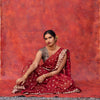
The Growing Demand for Sustainable Fashion in India: How Handcrafted Apparel is Leading the Charge

Quick Listen:
In the vibrant workshops of Jaipur, where the air hums with the rhythmic clack of looms, artisans weave threads of organic cotton into sarees destined for distant shores like Singapore. This scene captures more than craftsmanship it's a stand against the relentless churn of fast fashion, where disposability reigns supreme.
Amid this transformation, The Rise of Sustainable Fashion in India: How Handcrafted Apparel is Shaping the Future of Style emerges as a pivotal narrative. As the nation pivots toward eco-conscious choices, handcrafted apparel stands at the vanguard, delivering ethical alternatives that bolster local artisans while minimizing environmental harm.
The global sustainable fashion market, valued at USD 7.85 billion in 2023, is on track to soar to USD 32.66 billion by 2029, propelled by a robust CAGR of 26.80%. This expansion underscores a worldwide awakening to the perils of conventional fashion, from resource depletion to labor exploitation. In India, this resonates deeply, with the sustainable fashion segment hitting USD 272.51 million in 2024 and poised for further ascent. Younger demographics, attuned to climate crises, are championing garments that echo their principles durable, fair-trade, and low-impact.
Digital platforms have revolutionized this landscape, enabling artisans to sidestep exploitative intermediaries and engage directly with consumers. Take IndieHaat, a Bangalore-rooted marketplace specializing in authentic handmade wares. It links rural creators with buyers across India and beyond, featuring items like embroidered linen suits and block-printed kurtas. By offering free shipping nationwide and cash-on-delivery, it democratizes access to sustainable style, empowering women in isolated communities and safeguarding age-old techniques.
Fast fashion erodes cultural heritage, sidelining artisans and reducing traditions to trends. At IndieHaat, we champion India's craftspeople with handcrafted sarees, apparel, décor, and skincare rooted in authenticity. Each piece embodies skill and ethical care. Support artisans and preserve India's timeless legacy Shop Now!
Emerging Trends in Sustainable Fashion
This momentum draws from broader global currents, tailored to India's unique fabric. At the heart lie materials like kala cotton, a resilient, indigenous variety from Gujarat's Kutch region, cultivated sans irrigation or pesticides. Its drought tolerance and organic ethos make it a sustainability star, slashing water use and chemical runoff. Khadi, the iconic hand-spun cotton, follows suit, demanding scant machinery and conserving resources compared to mechanized production. Organic cotton eschews toxins, while bamboo and natural dyes curb pollution in textile hotspots.
Revitalizing heritage crafts is paramount. Methods such as block printing, intricate embroidery, and loom weaving underpin livelihoods for approximately 3.5 million handloom workers nationwide. These practices not only endure but evolve, yielding timeless apparel that defies fleeting trends. In Kutch alone, kala cotton sustains over 140 farmers and 850 weavers across 14 villages, with weaver's earnings climbing from Rs 23 to Rs 100 per meter.
International influences amplify this. In the US and UK, calls for supply chain transparency and circular models like upcycling percolate into Indian preferences, fostering a quality-over-quantity mindset. Singapore and the UAE, hubs for luxury, embrace handcrafted Indian silks as elite, ethical indulgences, aligning with global eco-luxury surges.
Real-World Examples and Case Studies
The evidence is vivid and compelling. Trailblazing brands exemplify this fusion. No Nasties, hailing from Goa, commits to 100% organic, fair-trade cotton, vowing to plant a tree per purchase. Doodlage transforms factory discards into striking, modern attire, tackling waste head-on. B Label pioneers hemp, a swift-growing, water-thrifty fiber, merging innovation with eco-integrity. These entities illustrate how tradition fuels forward-thinking design.
Online arenas magnify impact. IndieHaat collaborates with artisans for offerings like pure linen ensembles and tussar silk sarees, extending reach from Surat's weavers to international eco-enthusiasts. The handloom sector's exports hit $192 million in 2025, underscoring robust growth. Kala cotton's revival powers a Rs 1.5 crore monthly supply chain, with 20% exported to Japan, Europe, and North America.
Rural collectives thrive via e-commerce. Producers of khadi kurtas or printed dresses secure consistent revenues, retaining up to 80% margins a stark improvement over traditional setups. Organizations like Khamir have scaled from 50kg of kala cotton in 2010 to sustaining vast networks, blending NID and NIFT designs for contemporary appeal.
Key Challenges in Sustainable Fashion
Progress, however, navigates hurdles. Ethical sourcing at scale proves arduous. Sustainable materials are scarce in India, inflating costs for organic or recycled fabrics. Hand processes lag behind industrial paces, limiting output.
Awareness gaps persist. Consumers often favor budget trends from fast fashion, undeterred by higher prices of green alternatives despite their longevity. Fast fashion's dominance exacerbates waste, with synthetics overwhelming landfills and dyes tainting waterways in production zones.
Labor woes compound issues, including low wages and insecure conditions in segments of the industry. The sector grapples with inventory management and collective sustainability efforts amid economic pressures.
Opportunities and Business Impacts
Yet, these obstacles unveil expansive prospects. Digital marketplaces like IndieHaat catalyze scaling, preserving ethics while enhancing earnings and exposure. Direct models foster loyalty among discerning shoppers.
Projections signal promise. India's apparel exports reached $15 billion in 2023, with sustainable niches expanding. Vegan leather handbags surge globally, driven by eco-shifts. Opportunities beckon in the US, UK, Singapore, Australia, and UAE, where ethical Indian crafts gain traction.
For artisans, this translates to secure jobs and cultural preservation. Businesses capitalize on differentiation, tapping subsidies for green textiles. Initiatives like AISA aim to halve emissions while tripling sector value.
Future Outlook: A Thread of Hope
From rustic ateliers to sleek boutiques, sustainable fashion asserts its inevitability. Analysts forecast sustained expansion, buoyed by governmental backing. Policies like the Sustainable Textiles framework and artisan rebates 5% for cooperatives, 15% for women-led spur eco-innovations. "Make in India" bolsters exports, integrating crafts into global chains.
Platforms such as IndieHaat are instrumental, amplifying handmade voices worldwide while nurturing traditions. Enhanced certifications and subsidies could slash costs, accelerating adoption. In essence, each chosen handcrafted piece votes for a gentler industry one that reveres the earth, uplifts makers, and crafts enduring legacies.
Frequently Asked Questions
What is sustainable fashion in India and why is it growing?
Sustainable fashion in India refers to eco-conscious clothing made from organic materials like khadi, kala cotton, and bamboo, often crafted using traditional handloom techniques. The Indian sustainable fashion market reached USD 272.51 million in 2024 and continues to grow as younger consumers seek ethical alternatives to fast fashion that support local artisans, preserve heritage crafts, and minimize environmental impact through reduced water usage and chemical-free production.
What are the best sustainable fashion brands and materials in India?
Leading sustainable fashion brands in India include No Nasties (100% organic fair-trade cotton), Doodlage (upcycled fashion from factory waste), and B Label (hemp-based clothing). Key sustainable materials include kala cotton from Gujarat (drought-resistant and pesticide-free), khadi (hand-spun cotton requiring minimal machinery), organic cotton, and bamboo fabric. Platforms like IndieHaat connect consumers with authentic handcrafted items such as block-printed kurtas, embroidered linen suits, and tussar silk sarees from rural artisans.
How does handcrafted apparel support artisans and local communities in India?
Handcrafted apparel empowers approximately 3.5 million handloom workers across India by providing sustainable livelihoods and preserving traditional skills like block printing and embroidery. Digital platforms enable artisans to earn up to 80% margins by connecting directly with consumers, bypassing exploitative intermediaries. For example, kala cotton production in Gujarat's Kutch region now sustains over 140 farmers and 850 weavers, with earnings increasing from Rs 23 to Rs 100 per meter.
Disclaimer: The above helpful resources content contains personal opinions and experiences. The information provided is for general knowledge and does not constitute professional advice.
You may also be interested in: The Growing Intersection of Artisan Fashion and Sustainability
Fast fashion erodes cultural heritage, sidelining artisans and reducing traditions to trends. At IndieHaat, we champion India's craftspeople with handcrafted sarees, apparel, décor, and skincare rooted in authenticity. Each piece embodies skill and ethical care. Support artisans and preserve India's timeless legacy Shop Now!
Powered by flareAI.co