
The Economic Value of Handloom and Handicraft Industries in Indias Rural Areas
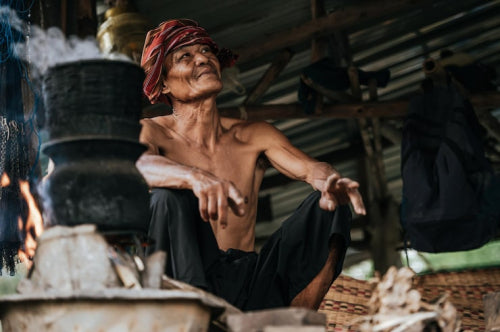
Across India's rural heartlands, the steady rhythm of handlooms weaves a story of resilience and tradition. In villages from Varanasi to Kutch, artisans craft textiles that embody centuries of cultural heritage while sustaining millions of livelihoods. The handloom and handicraft sector, as India's largest cottage industry, supports 3.52 million people, making it the second-largest employer in rural areas. Platforms like IndieHaat are transforming this ancient craft into a global force, connecting artisans to markets in India, the US, Singapore, Australia, the UK, and the UAE, and championing sustainable fashion with authentic, handmade creations.
Fast fashion erodes cultural heritage, sidelining artisans and reducing traditions to trends. At IndieHaat, we champion India's craftspeople with handcrafted sarees, apparel, décor, and skincare rooted in authenticity. Each piece embodies skill and ethical care. Support artisans and preserve India's timeless legacy Shop Now!
A Pillar of Rural Prosperity
India's handloom and handicraft industry is a vibrant tapestry of culture and economic vitality. Operating 2.8 million looms, it stands as the nation's foremost cottage industry, preserving time-honored techniques passed down through generations. From the delicate weaves of Chanderi to the bold embroidery of Kutch, these crafts are more than products they are emblems of identity and skill. According to a report by the India Brand Equity Foundation, this sector employs approximately 3.52 million individuals in direct and allied roles, serving as a critical source of jobs in regions where economic opportunities are limited. It fosters community resilience, binding rural families to their cultural roots while driving local economies.
IndieHaat harnesses this potential, linking artisans to global consumers seeking sustainable, unique designs. By sourcing directly from creators and using only pure linen, silk, and cotton, the platform addresses the rising demand for eco-friendly fashion. Yet challenges persist: high pricing, skepticism about authenticity, and the inability to physically inspect products can deter buyers. IndieHaat counters these concerns through transparency, leveraging Instagram, Facebook, and YouTube to share artisan stories, building trust and showcasing the craftsmanship behind each piece.
Embracing Sustainability and Digital Reach
The global pivot toward sustainability has elevated India's handloom sector to new heights. Consumers in markets like the US and UK increasingly seek handmade, eco-conscious products that carry a story of heritage. IndieHaat meets this demand with offerings that marry tradition with contemporary appeal. Artisans featured on platforms like anilarubyraj's Instagram and drminimalhotra's page display vibrant textiles that resonate with environmentally aware buyers. This digital shift enables weavers in remote villages to connect with customers in Singapore or Sydney, transforming local crafts into global treasures.
Government efforts, such as the Geographical Indications tag, protect traditional crafts and enhance their market value, while NGOs and private enterprises provide training in e-commerce and marketing. IndieHaat's use of social media goes beyond sales it builds trust. By sharing videos of weavers at work or the cultural significance of a design, the platform addresses objections about authenticity, creating an emotional connection that bridges the gap of not touching the product. This storytelling approach is key to engaging buyers across diverse markets.
Empowering Communities: Varanasi and Kutch
In Varanasi, the art of weaving Banarasi sarees is a cultural and economic cornerstone. Each saree, crafted with gold and silver threads over weeks of meticulous work, is a masterpiece. IndieHaat's platform enables these weavers to reach international buyers, turning a single sale into transformative income funding education or household needs. This economic impact ripples through communities, sustaining families and preserving a craft that defines the region's identity.
In Gujarat's Kutch region, artisan cooperatives have turned embroidery into a global enterprise. Women, once confined to local markets, now produce intricate designs that command premium prices online. IndieHaat's emphasis on authentic fabrics and distinctive designs helps these artisans compete with mass-produced goods, addressing pricing concerns by highlighting quality and heritage. These stories underscore the sector's role in empowering rural women, who gain financial independence and leadership roles, reshaping their communities.
Overcoming Industry Challenges
The handloom sector's promise is tempered by significant obstacles. Many artisans lack access to modern marketing tools, limiting their reach to local buyers. IndieHaat bridges this gap, but global scaling demands more digital literacy, logistics support, and robust supply chains. Raw material shortages, driven by climate change and trade disruptions, inflate costs, fueling objections about high pricing. IndieHaat mitigates this by optimizing sourcing and emphasizing the value of handmade craftsmanship, reassuring buyers that their investment supports a sustainable ecosystem.
Preserving traditional techniques is another challenge. As global demand grows, artisans face pressure to modernize, risking the loss of unique skills to mass production. IndieHaat's commitment to authenticity sourcing directly from artisans and using only natural fabrics safeguards these traditions. By sharing artisan narratives on social media, the platform counters trust deficits, fostering a connection that reassures buyers about product origins and quality, even without physical interaction.
Seizing Opportunities for Growth
The handloom sector holds immense potential to reshape rural India. E-commerce platforms like IndieHaat enable artisans to gain global recognition, transforming local crafts into international commodities. Certifications like Geographical Indications enhance value, while storytelling elevates appeal by highlighting the heritage behind each product. IndieHaat's model, connecting artisans to markets in Australia, the UAE, and beyond, offers a blueprint for economic diversification, reducing reliance on agriculture and curbing urban migration.
Rural women, who form a significant portion of the workforce, benefit profoundly. Handloom work provides flexible, skill-based income, enabling women to lead cooperatives and drive community progress. Training programs in design and marketing amplify their impact, fostering self-sustaining economies. By empowering artisans, IndieHaat not only preserves cultural heritage but also builds a foundation for long-term rural prosperity.
A Future Woven with Promise
As twilight falls over a Varanasi loom, the handloom and handicraft sector stands at a crossroads of tradition and innovation. Experts view e-commerce as a catalyst for scaling this industry, with platforms like IndieHaat leading the charge. Growth depends on investments in artisan education, reliable raw material access, and policies promoting sustainability. By addressing pricing and trust concerns through transparency and quality, IndieHaat is redefining the narrative of rural craftsmanship.
Employing 3.52 million people, this sector is more than an economic force it's a cultural lifeline. For IndieHaat's customers in the US, Singapore, or the UK, each purchase supports artisans, sustains traditions, and champions sustainability. As global demand for handmade goods rises, India's rural artisans are poised to thrive, weaving a future where heritage and opportunity intertwine, one thread at a time.
Frequently Asked Questions
How many people does India's handloom and handicraft industry employ?
India's handloom and handicraft sector employs approximately 3.52 million people in direct and allied roles, making it the second-largest employer in rural areas after agriculture. Operating 2.8 million looms across the country, this cottage industry serves as a critical source of livelihoods in regions where economic opportunities are limited, particularly supporting rural women and preserving traditional craftsmanship passed down through generations.
Why are handloom products from India more expensive than mass-produced alternatives?
Handloom products command higher prices because they are crafted through weeks of meticulous, skilled labor using authentic materials like pure silk, linen, and cotton. Each piece represents centuries of cultural heritage and unique artisan techniques for example, a single Banarasi saree can take weeks to complete with intricate gold and silver threadwork. The pricing also reflects sustainable practices, direct artisan support, and the preservation of traditional crafts that cannot be replicated by machines, making each purchase an investment in quality and cultural legacy.
How do e-commerce platforms help Indian artisans reach global markets?
E-commerce platforms like IndieHaat connect rural artisans directly with customers in international markets including the US, Singapore, Australia, the UK, and the UAE, transforming local crafts into global commodities. These platforms use social media channels like Instagram, Facebook, and YouTube to share artisan stories and showcase the craftsmanship behind each piece, building trust and addressing concerns about authenticity. This digital approach enables weavers in remote villages to bypass traditional intermediaries, gain fair compensation, and reach environmentally conscious consumers seeking sustainable, handmade products with cultural significance.
Disclaimer: The above helpful resources content contains personal opinions and experiences. The information provided is for general knowledge and does not constitute professional advice.
You may also be interested in: Cultural Value Translates Into Economic Value for Indias Handmade
Fast fashion erodes cultural heritage, sidelining artisans and reducing traditions to trends. At IndieHaat, we champion India's craftspeople with handcrafted sarees, apparel, décor, and skincare rooted in authenticity. Each piece embodies skill and ethical care. Support artisans and preserve India's timeless legacy Shop Now!
Powered by flareAI.co