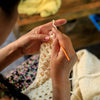
The Comeback of Handcrafted Fashion and Artisanal Heritage

Quick Listen:
The resurgence of handcrafted fashion represents far more than a passing whim in consumer behavior. Across diverse markets from the ancient weaving traditions of India to the luxury retail floors of Dubai shoppers are deliberately choosing garments and accessories imbued with human skill, cultural meaning, and markedly lower environmental impact. In cities as varied as New York, London, Sydney, and Singapore, this movement reflects a deepening hunger for authenticity at a time when mass production dominates wardrobes.
Industry data reinforces the strength of this shift. According to a detailed global handloom products market analysis, the sector was valued at USD 8.32 billion in 2024. Forecasts indicate steady expansion, with the market expected to rise from USD 8.95 billion in 2025 to USD 16.62 billion by 2032, reflecting a compound annual growth rate of 9.24% across the forecast period. Asia Pacific commanded a leading 55.77% share of the market in 2024, propelled primarily by demand for sustainable, distinctive, and culturally resonant items.
Fast fashion erodes cultural heritage, sidelining artisans and reducing traditions to trends. At IndieHaat, we champion India's craftspeople with handcrafted sarees, apparel, décor, and skincare rooted in authenticity. Each piece embodies skill and ethical care. Support artisans and preserve India's timeless legacy Shop Now!
India: Where Heritage Fuels Economic Progress
India stands at the center of this revival, treating handloom and handicraft traditions as both cultural anchors and powerful economic levers. Official figures from the Ministry of Textiles reveal robust performance: textiles and apparel exports, encompassing handicrafts, reached USD 37.8 billion during fiscal 2024–25, marking a 5% increase year-over-year. Certain months delivered even sharper gains, including a 9.4% rise recorded in November 2025 for the broader category. Handicrafts (excluding handmade carpets) posted particularly strong surges, with growth hitting 29.7% in select reporting periods.
Strategic government initiatives cluster modernization programs under Skill India and Make in India have strengthened artisan communities in regions famous for specialized techniques: Varanasi silk, Kutch embroidery, Banarasi brocades, and many others protected by Geographical Indication tags. At the same time, younger Indian consumers, especially those in the Gen Z and millennial cohorts, increasingly select handcrafted apparel precisely for its lower environmental footprint and its connection to living heritage, often reimagined through contemporary silhouettes.
United States: Premium Buyers Embrace Ethical Craftsmanship
In the United States, willingness to pay more for genuine craftsmanship has become noticeably stronger. Market studies consistently show American shoppers assigning higher value to durability, transparent production methods, and verifiable ethical standards attributes that handcrafted pieces naturally deliver. Direct-to-consumer labels and independent artisan platforms have multiplied, most successfully when they emphasize origin stories and supply-chain visibility that allow customers to follow a garment from loom to wardrobe.
This pattern fits within a broader reorientation toward mindful purchasing. In a landscape still crowded with fast-fashion alternatives, brands that limit production runs and highlight human skill secure dedicated followings prepared to invest in items intended to last for decades rather than seasons.
United Kingdom: Policy Meets a Renewed Appreciation for Craft
British fashion increasingly operates under sustainability imperatives reinforced by influential industry bodies and government policy. Shoppers here demonstrate clear preference for longer-lasting, responsibly sourced clothing, a preference supported by funding schemes that sustain small-scale makers and regional textile operations.
Traditional woollen mills and weaving houses once at risk of closure now experience revival, frequently through collaborations that pair heritage skills with modern design sensibility. Heightened regulatory attention to environmental claims further elevates authentic handcrafted production while increasing scrutiny of superficial “green” marketing tactics.
Singapore & Australia: Deliberate Consumption in Mature Markets
Both Singapore and Australia reward considered purchasing decisions within affluent, design-aware retail environments. Public agencies in Singapore actively support homegrown labels that emphasize craft, while academic and industry research in Australia documents growing consumer alignment with slow-fashion principles and lower-impact consumption habits.
Temporary installations, curated exhibitions, and specialist boutiques regularly showcase artisanal work, blending international influences with distinctly local tastes. In these settings, handcrafted objects gain advantage precisely because they feel intentional rather than interchangeable.
UAE: Luxury Retail Rediscovers Cultural Value
In the UAE, particularly across Dubai and Abu Dhabi, handcrafted fashion occupies a privileged position at the meeting point of opulence and tradition. High-net-worth residents and expatriates increasingly treat select artisanal pieces as meaningful cultural acquisitions rather than mere wardrobe additions.
Strategic retail activations inside major malls, alongside government-endorsed cultural showcases, present limited-edition collections that frequently unite skilled Indian weavers and embroiderers with designers rooted in the Gulf region. The combination creates a compelling narrative that marries deep heritage with contemporary luxury appeal.
Core Trends Accelerating the Movement
Sustainability remains the dominant catalyst. Handloom techniques relying on natural fibers, human labor, and minimal mechanical energy present a compelling low-carbon counterpoint to conventional industrial manufacturing. Digital infrastructure amplifies reach: online marketplaces allow remote Indian artisans direct access to international buyers, while provenance tools such as QR-linked certificates appear routinely in Singapore and UAE boutiques.
Scarcity continues to support elevated pricing. Limited drops in American and British markets, heritage-positioned capsules in the Gulf, and Indian designers reinterpreting classic weaves for today's wardrobes all capitalize on the perception of rarity and human touch.
Persistent Challenges Worth Watching
Despite the momentum, structural constraints endure. Production capacity within artisan communities remains finite, making it difficult to satisfy rapidly growing demand without compromising quality or working conditions. Cost structures in higher-wage economies such as Australia and Singapore create additional pricing pressure.
Demographic realities an aging cohort of traditional practitioners in both India and parts of the United Kingdom threaten long-term skill continuity. Meanwhile, so-called “artisan-washing,” in which mass-manufactured goods receive misleading handcrafted labeling, invites stricter regulatory responses, particularly in markets already sensitive to greenwashing risks.
Strategic Advantages and Future Direction
Well-executed handcrafted collections routinely achieve 20–50% price premiums within luxury and premium segments. For India, rising interest from buyers in the United States, United Kingdom, and UAE opens meaningful export channels, strengthened by digital connectivity and evolving trade frameworks. From an ESG perspective, traceable craft supply chains deliver measurably lower carbon intensity alongside powerful brand differentiation through authentic provenance narratives.
Looking forward, most credible forecasts anticipate sustained expansion in premium sustainable fashion categories over the coming five to seven years. Advances in digital traceability blockchain documentation, AI-supported inventory management should further integrate traditional craftsmanship into contemporary retail systems.
Handcrafted fashion has decisively outgrown its former niche status. It now sits at the intersection of environmental responsibility, elevated consumer expectations, and deliberate cultural preservation across these six key markets. For decision-makers in fashion brands, retail operations, and investment circles, the implications are straightforward: building verifiable supply chains, forging direct artisan relationships, and mastering credible storytelling have become essential elements of long-term competitiveness. This transition is not cyclical. It reflects a deeper, structural reorientation toward clothing that carries genuine human and historical meaning.
Frequently Asked Questions
Why is handcrafted fashion becoming more popular globally?
Handcrafted fashion is experiencing significant growth due to consumers seeking sustainable, authentic alternatives to mass production. The global handloom products market reached USD 8.32 billion in 2024 and is projected to grow to USD 16.62 billion by 2032, driven by demand for environmentally responsible clothing with cultural significance. Shoppers across markets from New York to Dubai increasingly value items with transparent production methods, lower carbon footprints, and meaningful human craftsmanship that can last decades rather than seasons.
How much more expensive is handcrafted fashion compared to regular clothing?
Well-executed handcrafted collections typically command 20–50% price premiums within luxury and premium segments. However, consumers are increasingly willing to pay more for genuine craftsmanship that offers superior durability, ethical production standards, and verifiable supply chain transparency. In markets like the United States and UAE, buyers view select artisanal pieces as meaningful cultural acquisitions and long-term investments rather than disposable wardrobe additions, making the higher upfront cost worthwhile over time.
What are the main challenges facing the handcrafted fashion industry?
Despite strong market growth, the handcrafted fashion sector faces several structural constraints. Production capacity within artisan communities remains limited, making it difficult to meet rising demand without compromising quality or working conditions. An aging cohort of traditional practitioners in countries like India and the United Kingdom threatens long-term skill continuity. Additionally, "artisan-washing" where mass-manufactured goods receive misleading handcrafted labels creates confusion in the market and invites stricter regulatory oversight, particularly in regions already sensitive to greenwashing concerns.
Disclaimer: The above helpful resources content contains personal opinions and experiences. The information provided is for general knowledge and does not constitute professional advice.
You may also be interested in: Nine Handloom Fabrics From India for National Handloom Day 2025
Fast fashion erodes cultural heritage, sidelining artisans and reducing traditions to trends. At IndieHaat, we champion India's craftspeople with handcrafted sarees, apparel, décor, and skincare rooted in authenticity. Each piece embodies skill and ethical care. Support artisans and preserve India's timeless legacy Shop Now!
Powered by flareAI.co