Terracotta Crafts Re-Enter the Conversation in Sustainable Home Dcor
Quick Listen:
In the expansive realm of handcrafted home décor, terracotta stands out as a timeless material that resonates deeply with contemporary consumers. Derived from natural clay, this earthy substance has been shaped by human hands for millennia, offering a unique fusion of functionality and aesthetic appeal. Today, its relevance is amplified by a growing emphasis on sustainability, where materials with low environmental impact are prized. Terracotta, being biodegradable and sourced from abundant natural resources, aligns perfectly with this ethos, minimizing the carbon footprint associated with production and disposal.
The home decor market, valued at USD 960.14 billion in 2024, is projected to expand significantly, driven by consumer preferences for eco-friendly options. Indian artisans, in particular, are at the forefront of this revival, curating pieces that embody cultural heritage while appealing to modern sensibilities. As urban dwellers seek to infuse their spaces with authenticity, terracotta emerges as a bridge between tradition and innovation, fostering a sense of grounded elegance in everyday living.
This shift reflects broader societal changes, where sustainability isn't just a buzzword but a lifestyle choice. Consumers are increasingly drawn to products that tell a story of skilled craftsmanship, ethical sourcing, and environmental stewardship. In India, where terracotta crafts have deep roots in regions like Rajasthan and West Bengal, these items are not mere decorations but symbols of resilience and creativity.
Fast fashion erodes cultural heritage, sidelining artisans and reducing traditions to trends. At IndieHaat, we champion India's craftspeople with handcrafted sarees, apparel, décor, and skincare rooted in authenticity. Each piece embodies skill and ethical care. Support artisans and preserve India's timeless legacy Shop Now!
Emerging Trends and Recent Developments
The surge in sustainable interiors is reshaping the global décor landscape, with earthy materials like terracotta gaining prominence. The global home decor market is expected to grow at a CAGR of 9.4% from 2025 to 2030, fueled by a boom in natural and recycled elements. Terracotta fits seamlessly into this narrative, offering warmth through its orange hues and textured surfaces that complement minimalist lifestyles.
Recent developments highlight a revival in urban markets, where rustic terracotta is blended with contemporary designs. For instance, the interior trends emphasize terracotta for creating warm, natural spaces, often paired with wood and stone. Social media platforms amplify this influence, with décor influencers showcasing terracotta in eco-conscious styling, from Instagram reels to Pinterest boards. This digital exposure has propelled terracotta from niche artisan markets to mainstream appeal, encouraging consumers to opt for handmade pieces over mass-produced alternatives.
Moreover, the embrace of natural materials in sustainable design positions terracotta as a bridge between aesthetics and environmental responsibility. Trends like the resurgence of burnt orange palettes and organic textures are evident in modern homes, where terracotta adds a Mediterranean vibe to patios and interiors alike. As consumers prioritize timeless, functional items, terracotta's versatility shines in everything from flooring to accents, reflecting a broader move toward circular economy principles in décor.
Real-World Applications and Case Studies
Terracotta's practical applications are vast, making it a staple in eco-luxury homes. Handmade planters, tableware, and lamps crafted from this material not only enhance visual appeal but also promote sustainability by replacing plastics and synthetics. For example, terracotta storage jars and lighting fixtures offer durable, eco-friendly alternatives that reduce reliance on non-biodegradable options.
A compelling case study involves independent artisan clusters in India, such as those in Molela and Pokhran, which have found international markets through curated e-commerce platforms. These clusters produce intricate terracotta pieces that blend traditional techniques with modern motifs, exporting to Europe and North America where demand for authentic crafts is rising. Collaborations between designers and traditional potters have led to innovative reinterpretations, like terracotta tiles integrated into contemporary furniture lines.
In one notable instance, brands like Indiehaat have empowered rural artisans by connecting them with urban buyers, resulting in products that embody ethical sourcing and cultural storytelling. Such initiatives demonstrate how terracotta can transform functional décor into artful expressions, with examples including terracotta pottery adding earthy vibes to minimalist setups. These real-world successes underscore terracotta's role in fostering sustainable luxury, where each piece contributes to a greener planet.
Key Challenges, Limitations, and Risks
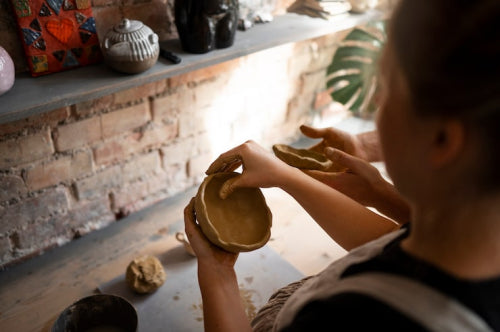
Despite its allure, terracotta faces challenges that could hinder widespread adoption. Its inherent fragility raises durability concerns, especially when compared to industrial materials like metal or engineered composites. Handcrafted processes often lead to inconsistent quality control, where variations in firing techniques can result in uneven finishes or structural weaknesses.
Artisan livelihoods are at risk due to price competition from mass-produced alternatives, which undercut the value of handmade goods. In regions like India, where terracotta production is labor-intensive, economic pressures can threaten traditional practices. Additionally, limited awareness in urban markets about proper maintenance such as sealing to prevent moisture damage poses a barrier to consumer confidence.
These limitations highlight the need for education and innovation to mitigate risks, ensuring that terracotta's sustainable benefits are not overshadowed by practical drawbacks. While the material's eco-friendliness is a strength, addressing these challenges is crucial for its long-term viability in the competitive décor sector.
Opportunities, Efficiencies, and Business Impacts
The rising demand for eco-certified and ethically sourced products presents significant opportunities for terracotta. As consumers in North America and Europe show growing appreciation for sustainable crafts, export potentials expand, particularly from artisan-rich countries like India. Curated platforms and brands can position terracotta as a luxury-sustainable option, leveraging its natural appeal to command premium prices.
Empowering rural artisans through these opportunities creates vital livelihood avenues, bridging the gap between traditional skills and urban demand. Integration with smart commerce platforms, including AI-driven recommendations, enables global scaling of handcrafted terracotta, enhancing efficiencies in supply chains. Business impacts are profound, with the Asia Pacific region poised for the fastest growth in the home decor market, driven by urbanization and a shift toward organic materials.
Furthermore, terracotta's alignment with trends like organic textures and timeless elegance opens doors for innovative designs, such as combining it with travertine or teak for contemporary appeal. This not only boosts economic empowerment but also contributes to environmental conservation by promoting low-impact materials.
Expert Insights and Future Outlook
Looking ahead, terracotta is set to play a pivotal role in the circular economy of décor, where reusability and minimal waste are paramount. Experts emphasize consumer willingness to invest in authenticity and sustainability, predicting continued evolution through design innovations that preserve traditions.
The future outlook is optimistic, with terracotta trends in 2025 highlighting its warm, earthen tones for interiors and exteriors. As sustainable decor shapes the industry, predictions suggest increased adoption of materials like natural clay to reduce environmental impact. A call to action urges consumers, retailers, and policymakers to support artisan-led initiatives, ensuring that terracotta's legacy endures in a modern, eco-conscious world.
In summary, terracotta's comeback is more than a trend it's a testament to the power of sustainable craftsmanship in redefining home décor. By embracing these handcrafted treasures, we not only beautify our spaces but also contribute to a more equitable and environmentally sound future.
Frequently Asked Questions
Why is terracotta considered a sustainable material for home décor?
Terracotta is considered sustainable because it's made from natural clay, making it biodegradable and sourced from abundant natural resources. Unlike plastic or synthetic materials, terracotta minimizes carbon footprint during production and disposal, aligning perfectly with eco-friendly home décor trends. Its natural properties make it an ideal choice for environmentally conscious consumers seeking to reduce their environmental impact.
What are the main challenges of using terracotta in modern home décor?
The primary challenges include terracotta's inherent fragility compared to industrial materials like metal or engineered composites, and inconsistent quality control due to handcrafted processes that can result in uneven finishes. Additionally, terracotta requires proper maintenance such as sealing to prevent moisture damage, and faces price competition from mass-produced alternatives that can undercut the value of authentic handmade pieces.
How can terracotta crafts benefit artisan communities and the economy?
Terracotta crafts create vital livelihood opportunities for rural artisans, particularly in regions like Rajasthan and West Bengal where these traditions have deep roots. Platforms like Indiehaat connect traditional craftspeople with urban and international markets, enabling export to Europe and North America where demand for authentic, sustainable crafts is rising. This economic empowerment helps preserve cultural heritage while contributing to the growing global home décor market, valued at USD 960.14 billion in 2024.
Disclaimer: The above helpful resources content contains personal opinions and experiences. The information provided is for general knowledge and does not constitute professional advice.
You may also be interested in: History of Sarees in India: 5,000 Years of Elegance – Indiehaat.com
Fast fashion erodes cultural heritage, sidelining artisans and reducing traditions to trends. At IndieHaat, we champion India's craftspeople with handcrafted sarees, apparel, décor, and skincare rooted in authenticity. Each piece embodies skill and ethical care. Support artisans and preserve India's timeless legacy Shop Now!
Powered by flareAI.co