
Sustainable Cotton Kurtas Appeal to Eco-Conscious Buyers
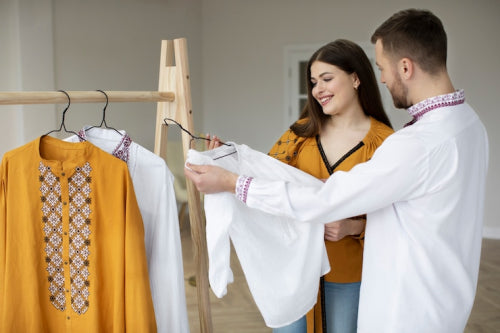
In an era where fast fashion's environmental toll is impossible to ignore, a quiet but powerful shift is taking place. Step into the digital aisles of platforms like IndieHaat or wander through bustling artisan markets, and you'll encounter a rising star: sustainable cotton kurtas. These handcrafted garments, blending cultural heritage with modern eco-sensibility, are capturing the attention of buyers who want style without sacrifice. As consumers grapple with the consequences of throwaway fashion polyester piles in landfills, exploited labor, and chemical-laden production kurtas made from organic, ethically sourced cotton offer a compelling alternative. This is more than a trend; it's a movement toward a more responsible wardrobe.
What's fueling this surge? A potent mix of heightened environmental awareness, innovative artisan practices, and a growing appetite for authenticity. Let's explore why sustainable cotton kurtas are becoming the garment of choice for those who care about the planet as much as their personal style.
The Surge of Sustainable Fashion
The fashion industry is at a crossroads, with sustainability no longer a niche concern but a global imperative. The global sustainable fashion market, valued at $8.1 billion in 2024, is poised to reach $33.1 billion by 2033, growing at a robust 22.9% CAGR, according to Custom Market Insights. This growth is driven by consumers especially millennials and Gen Z who demand clothing that reflects their ethical priorities. At the core of this shift is organic cotton, a fabric grown without synthetic pesticides or fertilizers, preserving soil health and reducing environmental harm.
The numbers are striking. The global organic cotton market worth $1,113.5 million in 2023, is projected to expand to $25,890.2 million by 2032, driven by a 40% CAGR, as reported by Fortune Business Insights. Asia Pacific, a hub for kurta craftsmanship, holds a commanding 65.7% market share, while the U.S. market is expected to reach $504.56 million by 2032, fueled by demand for eco-friendly textiles. Organic cotton's appeal lies in its low-impact production, which nurtures biodiversity and minimizes reliance on toxic chemicals, offering a stark contrast to conventional cotton's resource-intensive methods.
Industry leaders are responding. Patagonia has long set the standard by prioritizing organic cotton, while the World Economic Forum noted in July 2024 that secondhand clothing is gaining traction in the U.S., signaling a broader rejection of fast fashion's excesses, as noted in GlobeNewswire. Sustainable cotton kurtas, with their timeless silhouettes and biodegradable fibers, align seamlessly with this ethos, marrying tradition with environmental stewardship.
IndieHaat's Artisan Revolution
IndieHaat, a marketplace championing handcrafted goods, is a linchpin in this movement. Its sustainable cotton kurtas are more than clothing they're narratives of craftsmanship and care. Artisans, often from regions like Rajasthan, weave organic cotton into kurtas adorned with intricate block prints or delicate embroidery, creating pieces that resonate with buyers seeking authenticity. By sourcing cotton from small-scale farmers who shun harmful chemicals, IndieHaat ensures its garments support both the environment and local livelihoods.
Consider the artisans of Jaipur, whose vibrant kurtas have gained a global following through IndieHaat's platform. These makers prioritize sustainable practices, producing garments that feel as ethical as they are elegant. This model reflects a broader consumer shift toward brands that value transparency and social responsibility, even at a higher price point. IndieHaat's success underscores a key truth: sustainability sells when it's backed by authenticity.
Globally, other brands echo this approach. People Tree, a UK-based fair-trade pioneer, has cultivated a loyal audience by emphasizing organic cotton and artisan partnerships. The sustainable apparel market, valued at $11.2 billion in 2023, is on track to hit $24.53 billion by 2032 with a 9.1% CAGR, per GlobeNewswire. Organic cotton garments, comprising over 35% of this market, are a driving force, propelled by increasing awareness of chemical-free farming practices.
Navigating the Challenges
The journey to sustainable fashion isn't without obstacles. Producing organic cotton is costly often 20-30% more expensive than conventional cotton due to lower yields and rigorous certification processes. For small-scale artisans, these expenses can be prohibitive, particularly when competing with fast-fashion giants offering dirt-cheap alternatives. Limited access to organic cotton in regions with underdeveloped supply chains further complicates sourcing efforts.
Greenwashing poses another threat. Some brands falsely claim sustainability, undermining trust. A 2023 study revealed that 60% of eco-friendly fashion claims lacked evidence, leaving consumers skeptical. Platforms like IndieHaat counter this by prioritizing certifications like the Global Organic Textile Standard (GOTS), which ensures transparency from farm to fabric.
Price remains a sticking point. Sustainable kurtas, with their higher production costs, often carry a premium that can alienate budget-conscious shoppers. Educating consumers about the durability, ethical sourcing, and environmental benefits of these garments is crucial but challenging. Without compelling narratives, the cost can feel like a barrier rather than a value proposition.
Seizing Opportunities in a Dynamic Market
Despite these hurdles, the opportunities are vast. The global ethnic wear market, encompassing kurtas, was valued at $108,068.56 million in 2024 and is projected to reach $198,178.9 million by 2033 with a 6.97% CAGR, according to Global Growth Insights. A 50% surge in demand for sustainable fabrics and a 40% rise in artisan wear underscore the potential for brands like IndieHaat to thrive. E-commerce, accounting for 35% of ethnic wear sales, amplifies this reach, while technologies like AI tailoring (favored by 45% of buyers) and AR try-ons (adopted by 20%) enhance accessibility.
For artisans, embracing organic cotton unlocks a loyal customer base willing to invest in quality and ethics. Sustainable practices also yield long-term benefits, such as healthier soil that reduces reliance on costly inputs. Consumers, meanwhile, are drawn to kurta's versatility a breathable, stylish staple that aligns with their eco-conscious values. The broader impact is transformative: supporting sustainable cotton empowers small-scale farmers, lowers carbon emissions, and fosters a circular economy. With fast fashion responsible for a significant portion of global carbon emissions, these choices carry weight.
A Vision for the Future
As sustainable fashion gains momentum, experts view cotton kurtas as a model for the industry's evolution. A textile expert notes that natural fibers are essential to mitigating fashion's environmental impact. With consumer awareness on the rise, brands that prioritize ethical sourcing and transparency are poised to lead.
The path forward requires commitment. Businesses must invest in certifications and streamlined supply chains to build credibility. Consumers can amplify this shift by supporting brands like IndieHaat or global leaders like Patagonia. The sustainable apparel market, projected to reach $35.92 billion by 2034 with a 13.1% CAGR, per Market Research Future, signals unstoppable momentum.
Sustainable cotton kurtas are more than a fashion statement; they're a call to action. They challenge us to rethink our relationship with clothing, prioritizing beauty, ethics, and longevity. So, when you choose a kurta its soft fabric whispering stories of artisans and earth-friendly farms you're not just dressing yourself. You're stitching together a more sustainable future, one garment at a time.
Disclaimer: The above helpful resources content contains personal opinions and experiences. The information provided is for general knowledge and does not constitute professional advice.
You may also be interested in: Explore the Timeless Charm of Ajrakh Print: Tradition Meets
Fast fashion erodes cultural heritage, sidelining artisans and reducing traditions to trends. At IndieHaat, we champion India's craftspeople with handcrafted sarees, apparel, décor, and skincare rooted in authenticity. Each piece embodies skill and ethical care. Support artisans and preserve India's timeless legacy Shop Now!
Powered by flareAI.co