
Strategies to Retain Craftsmanship While Scaling Production
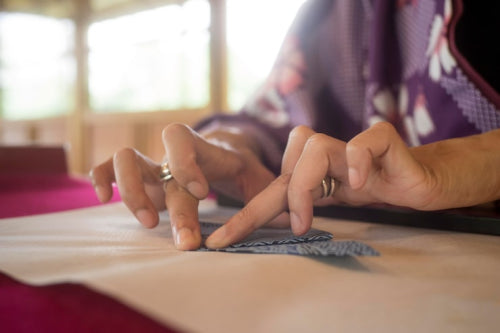
In the bustling lanes of Varanasi and the quiet workshops of rural India, artisans have long perfected the art of handloom weaving, creating pieces that tell stories of heritage and skill. Yet as brands like indiehaat.com seek to meet rising demand across India, the US, Singapore, Australia, the UK, and the UAE, the question looms large: how do you scale production without diluting the very soul of craftsmanship that sets your offerings apart? As explored in Preserving Artistry at Scale, the answer lies not in replacing tradition but in thoughtfully amplifying it.
Fast fashion erodes cultural heritage, sidelining artisans and reducing traditions to trends. At IndieHaat, we champion India's craftspeople with handcrafted sarees, apparel, décor, and skincare rooted in authenticity. Each piece embodies skill and ethical care. Support artisans and preserve India's timeless legacy Shop Now!
The Art of Scaling Without Losing Soul
The challenge is as old as commerce itself: growth often tempts businesses to cut corners, swapping hand-stitched precision for machine efficiency. For indiehaat.com, this tension feels especially personal. The brand's identity rests squarely on handmade items directly sourced from artisans, unique designs that cannot be mass-replicated, and fabrics limited to pure linen, silk, and cotton materials prized for their breathability and timeless appeal in India's varied climates, from humid coastal cities to the dry heat of the north.
Customers in these target regions from festival shoppers preparing for Diwali and weddings in India to diaspora communities seeking authentic ethnic wear in the US and UAE crave that genuine connection. Scaling means handling more orders, meeting tighter timelines, and navigating the constant risk of compromising quality. The stakes are high because these differentiators are precisely what turn curious browsers into loyal buyers who cherish the story behind every drape, every weave, and every carefully chosen thread.
Retaining craftsmanship while expanding production requires deliberate choices that honour the artisan's expertise rather than overriding it. This approach ensures indiehaat.com continues delivering the authentic, high-value pieces its audience expects across borders.
Why Craftsmanship Remains Relevant Across Borders
From Mumbai's bustling markets to Singapore's sophisticated boutiques, consumers are increasingly drawn to products that feel personal and deeply rooted in tradition. In India, where handloom sarees have long been central to weddings, festivals, and everyday elegance, the preference for sustainable handloom sarees continues to strengthen. Government initiatives such as GI tags and the Handloom Mark have bolstered trust in origin and quality, encouraging buyers worldwide to seek out genuine articles rather than generic alternatives.
This shift matters deeply for indiehaat.com's international audience. Buyers in Australia and the UK, often influenced by ethical fashion movements, look for brands that honour artisan livelihoods. The result is a global appetite for pieces that transcend fleeting trends fabrics that age gracefully, designs that spark conversation at family gatherings, and a provenance that builds lasting emotional connection.
In practical terms, this relevance translates into stronger customer loyalty. When someone chooses a pure linen kurta or silk saree from indiehaat.com, they are investing in more than clothing they are supporting a living tradition that resonates across cultures.
Emerging Trends Shaping Artisan-Based Production
Across the handloom ecosystem, forward-thinking producers are embracing change without erasing heritage. Digital tools now enable real-time collaboration between artisans in remote Indian villages and design teams in urban hubs or overseas. Workflow apps track progress on intricate patterns, ensuring that unique designs remain consistent even as output grows. In regions like Singapore and the UAE, where tech adoption moves swiftly, these platforms bridge distances while preserving the irreplaceable human touch at every stage.
Sustainability has become non-negotiable. Artisans integrate eco-friendly practices natural dyes, water conservation techniques, and zero-waste methods while maintaining the purity of linen, silk, and cotton. Buyers in Australia and the UK respond warmly to brands that align production with environmental values, proving that thoughtful scaling and responsible practices can thrive together.
Design Replication Technologies That Honour Originality
Advanced yet respectful technologies help brands replicate signature motifs without diminishing the artisan's hand. Digital archiving of patterns provides precise guidance for weavers, reducing errors while freeing creators to innovate fresh variations. The goal remains augmentation, not automation tools that let artisans focus on the creative heart of their craft rather than repetitive tasks.
Leveraging Digital Tools to Empower Artisans
Indiehaat.com's approach exemplifies smart integration. By equipping partner artisans with simple mobile interfaces, the brand maintains direct sourcing relationships even as volumes increase. Artisans receive clear briefs on unique designs, share progress photos and videos via Instagram, Facebook, and YouTube channels, and receive timely feedback. This transparency not only speeds production but builds genuine pride in the craft.
The payoff extends directly to customers. Shoppers who once hesitated due to the inability to touch and feel the product now discover rich storytelling content close-up videos of looms in action, interviews with weavers, and detailed 360-degree views of fabric texture. Trust deficit melts away when buyers see the faces and skilled hands behind each piece.
Preserving Authentic Fabrics and Unique Designs at Scale
Core to indiehaat.com's promise is the exclusive use of pure linen, silk, and cotton fabrics that breathe naturally, drape beautifully, and carry deep cultural significance. Scaling does not mean compromising on material standards; instead, it involves forging deeper partnerships with suppliers who share the brand's unwavering commitment to authenticity.
Artisans are encouraged to experiment within these fabric families, developing limited collections that celebrate regional techniques while appealing to modern sensibilities in the US and Singapore. Unique designs, once vulnerable to dilution through rapid growth, are now protected through collaborative design sprints and intellectual property safeguards tailored specifically to artisan communities.
Building Quality Systems That Scale with Care
Robust yet flexible quality protocols form the backbone of sustainable growth. Rather than imposing top-down inspections that might alienate creators, indiehaat.com co-develops checkpoints with artisans milestones that respect traditional methods while ensuring consistency across larger volumes. Training programmes focus on skill enhancement, not replacement, helping weavers master new efficiencies without ever abandoning time-honoured techniques.
This human-centred approach directly addresses the common objection of high pricing. When customers understand the labour, expertise, and ethical sourcing involved in every piece, they recognise the true value. A handwoven saree or kurta becomes a meaningful investment in craftsmanship and community support, far beyond just another garment.
Turning Objections into Opportunities Through Transparency
High pricing, trust concerns, and the natural desire for tactile experience represent common hesitations among potential buyers. The solution lies in open, consistent communication. Through regular social media series on Instagram, Facebook, and YouTube, indiehaat.com demystifies the entire production process showing exactly how each thread is selected, dyed using natural methods, and woven by skilled hands.
Virtual try-on features and detailed fabric swatch descriptions further bridge the physical gap. By highlighting direct artisan relationships and the credentials of pure fabrics, the brand transforms these potential barriers into compelling reasons to choose handmade. Customers in the UAE or UK, for instance, appreciate knowing their purchase supports livelihoods in India while delivering superior quality and uniqueness unavailable in mass-market options.
The Road Ahead: Sustainable Growth Rooted in Tradition
Scaling craftsmanship successfully demands intentional choices at every turn. Brands that invest in artisan empowerment, thoughtful technology adoption, and unwavering material standards will not only survive but truly thrive in today's market. For indiehaat.com, this path ensures that growth amplifies rather than erodes its core unique differentiators handmade authenticity, singular designs, and fabrics of unmatched purity.
Consumers worldwide, especially in India, are voting with their wallets for products that carry real meaning and support living traditions. In the vibrant handloom sector and beyond, the future belongs to those who scale with soul intact. The artisan's looms continue their rhythmic song, now accompanied by the steady beat of thoughtful expansion a harmonious balance that promises beautiful, authentic garments for generations to come.
Frequently Asked Questions
How can brands scale handloom production without compromising artisan craftsmanship?
Brands can scale handloom production by integrating thoughtful technology, such as digital pattern archiving and workflow apps, while keeping artisans at the heart of the process. Maintaining direct sourcing relationships, using pure fabrics like linen, silk, and cotton, and co-developing quality checkpoints ensure that growth does not dilute the uniqueness and authenticity of each handcrafted piece.
Why is supporting artisan-made products important for international buyers?
International buyers, including those in the US, UK, Australia, and UAE, increasingly value ethical fashion and cultural authenticity. Purchasing artisan-made products supports livelihoods, preserves traditional handloom techniques, and offers unique, high-quality items that cannot be replicated by mass-produced alternatives, fostering an emotional connection with the craft.
What role do sustainable practices play in scaling handcrafted textiles?
Sustainable practices, such as using natural dyes, water conservation, and zero-waste methods, allow brands to grow responsibly without compromising quality. By combining eco-friendly production with artisan skill, brands meet global consumer expectations for ethical fashion while preserving the integrity of traditional fabrics and designs.
Disclaimer: The above helpful resources content contains personal opinions and experiences. The information provided is for general knowledge and does not constitute professional advice.
You may also be interested in: 5 Things to Keep in Mind When Shopping For Your Wedding Day Attire
Fast fashion erodes cultural heritage, sidelining artisans and reducing traditions to trends. At IndieHaat, we champion India's craftspeople with handcrafted sarees, apparel, décor, and skincare rooted in authenticity. Each piece embodies skill and ethical care. Support artisans and preserve India's timeless legacy Shop Now!
Powered by flareAI.co