Pure Fabric Authenticity Overcomes Doubts in Virtual Shopping
In the age of endless scrolling and instant add-to-cart, one persistent doubt lingers for those who love beautiful fabrics: how do you truly know what you're getting when you can't run your fingers across the weave? For shoppers in India, the US, Singapore, Australia, the UK, and the UAE seeking authentic Indian handloom pieces, this question cuts deep especially when premium pricing enters the conversation.
Yet a growing number of discerning buyers are discovering that pure fabric authenticity can dissolve those virtual shopping hesitations in ways mass-produced alternatives never could.
Fast fashion erodes cultural heritage, sidelining artisans and reducing traditions to trends. At IndieHaat, we champion India's craftspeople with handcrafted sarees, apparel, décor, and skincare rooted in authenticity. Each piece embodies skill and ethical care. Support artisans and preserve India's timeless legacy Shop Now!
The Intimate Connection Between Touch and Trust
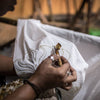
Handloom textiles carry something no machine can replicate: the subtle irregularities that tell a human story. A slight variation in thread tension, the natural luster of pure silk caught just so, the breathable softness of linen that improves with every wash these details whisper authenticity. When customers from distant shores browse collections focused exclusively on linen, silk, and cotton, they often pause at the promise of pieces sourced directly from artisans.
This direct connection matters more than ever. Buyers in primary target regions like the US, UK, Australia, Singapore, and UAE increasingly seek items that feel personal rather than transactional. They want to support living traditions rather than anonymous supply chains.
Why Pure Fabrics Speak Louder Than Labels
Consider the quiet power of knowing your garment began on a wooden loom in a small workshop rather than a high-speed factory. Indiehaat's emphasis on handmade items sourced straight from artisans creates a different kind of value proposition one rooted in transparency rather than marketing spin.
Unique designs emerge naturally when weavers draw from regional heritage while responding to contemporary tastes. A customer in Singapore might discover a linen kurta with motifs echoing centuries-old patterns yet tailored for modern wardrobes. Someone in Australia could find a cotton saree whose drape and texture feel alive in a way synthetic blends never manage.
These aren't just clothes or home textiles. They represent choices that align personal style with deeper values: supporting skilled hands, preserving cultural knowledge, and choosing materials that age gracefully instead of ending up in landfills after a few seasons.
Addressing the Price Question Head-On
Premium pricing often triggers the first objection. Why pay more when similar-looking options exist at lower price points? The answer lies in what you're actually purchasing.
Handloom production involves time, skill, and limited resources. Each piece requires human attention that machines cannot provide. When fabrics are restricted to pure linen, silk, and cotton free from blends that compromise quality the cost reflects real inputs: quality raw materials, fair compensation for artisans, and the patience required for traditional techniques.
Buyers in the UK and UAE, for instance, frequently recognize that this investment translates into garments that maintain their beauty and integrity far longer than fast-fashion counterparts. The higher initial outlay becomes secondary to longevity and the satisfaction of owning something genuinely special.
Bridging the “Can't Touch It” Gap
Lack of physical interaction remains a significant barrier in online shopping, particularly for textiles where hand-feel defines the experience. How do platforms overcome this?
Detailed storytelling helps. Descriptions that go beyond generic terms to explain weave structures, regional origins, and care instructions give customers intellectual confidence. High-resolution images revealing close-up textures, drape in movement, and natural variations build visual trust.
Yet the strongest bridge comes from authenticity itself. When a platform commits exclusively to handmade pieces from verified artisans, it creates an implicit guarantee. Customers begin to understand that the slight imperfections they notice aren't flaws they're proof of human craftsmanship.
Shoppers in the US, often accustomed to standardized retail, frequently report surprise at how quickly skepticism fades once they receive their first authentic handloom piece. The fabric feels different. It moves differently. And that sensory confirmation validates the decision to buy without touching.
The Market Context: Growing Appreciation for Authenticity
The handloom sector reflects broader consumer shifts toward mindful purchasing. The global handloom product market shows steady expansion driven by appreciation for traditional craftsmanship and sustainable methods.
Handloom sarees, a flagship category, continue to hold strong cultural and fashion relevance, with Asia Pacific maintaining significant market presence. Cotton remains particularly popular for its breathability and versatility across climates from humid Singapore summers to varied seasons in the UK and Australia.
These trends aren't abstract. They manifest in real choices made by customers who prioritize pieces that honor both heritage and environmental considerations. Direct sourcing models further strengthen this connection by ensuring more value reaches the artisans themselves.
Unique Designs That Resist Fast Fashion Fatigue
One of the most refreshing aspects of engaging with authentic handloom collections is encountering designs that don't chase every fleeting trend. Instead, they offer timeless appeal with distinctive character.
A weaver in India might incorporate subtle variations in border patterns or color transitions that reflect personal creativity within traditional frameworks. These nuances create garments that feel individual rather than mass-produced.
For customers across target regions, this translates to wardrobes that stand apart. A silk blouse from Indiehaat doesn't look like countless others on the rack or in the feed. It carries the quiet confidence of something made with intention.
Building Confidence Through Transparency
Trust develops through consistent practices rather than promises. Platforms that maintain close relationships with artisan communities can share insights about production processes, material sourcing, and the people behind each piece.
This approach addresses the trust deficit common in online marketplaces. When buyers see evidence of direct artisan partnerships and commitment to pure fabrics, hesitation often gives way to curiosity and eventually loyalty.
From Doubt to Delight: The Customer Journey
Many first-time buyers approach handloom purchases with caution. They research, compare, and perhaps start small with a scarf or accessory rather than a full garment.
What frequently follows is a shift in perspective. The fabric exceeds expectations in texture and durability. The colors remain vibrant after washing. The piece integrates seamlessly into existing wardrobes while adding distinctive character.
Customers in the UAE and Singapore, navigating multicultural fashion landscapes, often appreciate how these authentic pieces bridge traditional elegance with contemporary lifestyles. Professionals in the US and UK discover versatile options that transition effortlessly from work to weekend.
Over time, the initial objections pricing, trust, inability to touch recede as the tangible and intangible benefits become clear.
Practical Considerations for Virtual Buyers
Successful online handloom shopping involves a few mindful steps:
- Pay close attention to fabric descriptions and care instructions specific to pure linen, silk, or cotton.
- Look for indicators of artisan involvement and direct sourcing.
- Consider climate appropriateness breathable cottons and linens perform beautifully in warmer regions while silks offer year-round versatility.
- Start with pieces that align with your existing style to build confidence in the category.
These practices help transform virtual browsing into satisfying ownership experiences.
Why This Matters Beyond Individual Purchases
Each choice to support authentic handloom contributes to something larger: the continuation of skills passed through generations, the economic empowerment of artisan communities, and the preservation of textile traditions that define cultural identity.
In an increasingly homogenized retail landscape, platforms that prioritize handmade, pure-fabric collections offer a meaningful alternative. They invite customers to participate in a slower, more intentional approach to consumption one that values story and substance alongside aesthetics.
For those in India and the diaspora communities across the US, UK, Australia, Singapore, and UAE, these pieces can strengthen connections to heritage while adapting beautifully to modern lives.
Embracing Authenticity in a Digital World
The doubts that once accompanied virtual fabric shopping haven't disappeared entirely. Yet they're increasingly met with compelling counter-evidence: the enduring appeal of pure natural fibers, the distinctive character of handmade designs, and the quiet satisfaction of knowing your purchase supports real people practicing traditional crafts.
As more customers experience the difference that authenticity makes both in the quality of the textiles and the story behind them the conversation shifts from skepticism to appreciation. What begins as hesitation often evolves into advocacy.
In the end, pure fabric authenticity doesn't just overcome doubts in virtual shopping. It transforms the entire experience into something richer, more personal, and ultimately more rewarding. The loom's rhythm continues, one thoughtful purchase at a time.
Frequently Asked Questions
How can I trust the quality of handloom fabrics when shopping online without being able to touch them?
Authentic handloom platforms build trust through detailed storytelling including weave structures, regional origins, and care instructions alongside high-resolution images that reveal texture and natural variations. The key indicator is a platform's exclusive commitment to handmade pieces sourced directly from verified artisans. When you receive your first genuine handloom piece, the distinct feel, drape, and movement of pure linen, silk, or cotton quickly confirms the quality and dissolves any initial skepticism.
Why are authentic Indian handloom fabrics more expensive than regular online clothing options?
Handloom pricing reflects real, tangible inputs: quality raw materials (pure linen, silk, or cotton never synthetic blends), fair artisan compensation, and the time-intensive nature of traditional weaving techniques. Unlike mass-produced garments, each handloom piece involves skilled human attention that no machine can replicate. Buyers consistently find that this upfront investment pays off through superior longevity, enduring beauty, and the satisfaction of owning a genuinely unique piece.
What makes Indian handloom textiles a sustainable and ethical fashion choice?
Indian handloom textiles are crafted using traditional techniques passed down through generations, supporting artisan livelihoods and preserving regional cultural heritage. Choosing pure natural fibers like cotton, silk, and linen means avoiding synthetic blends that contribute to textile waste, as these materials age gracefully and last far longer than fast-fashion alternatives. Direct sourcing models ensure more value reaches the weavers themselves, making each purchase an act of both mindful consumption and cultural preservation.
Disclaimer: The above helpful resources content contains personal opinions and experiences. The information provided is for general knowledge and does not constitute professional advice.
You may also be interested in: Buy Pure Cotton Saree Online: A Quality Checklist - Indiehaat.com
Fast fashion erodes cultural heritage, sidelining artisans and reducing traditions to trends. At IndieHaat, we champion India's craftspeople with handcrafted sarees, apparel, décor, and skincare rooted in authenticity. Each piece embodies skill and ethical care. Support artisans and preserve India's timeless legacy Shop Now!
Powered by flareAI.co