
Minimalist Cotton Linen Sarees Appeal to Modern Urban Wardrobes
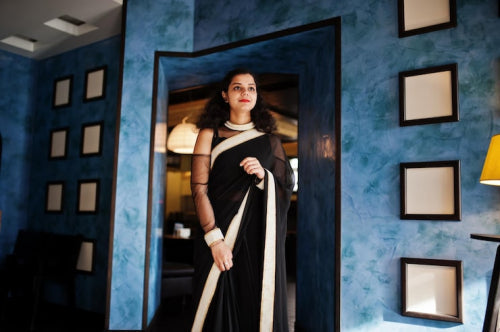
Urban professionals increasingly seek clothing that moves easily between meetings, travel, and informal gatherings without demanding constant adjustment or elaborate styling. Minimalist cotton linen sarees have emerged as a practical response to this need, offering lightweight construction, understated silhouettes, and the ability to pair with contemporary blouses and accessories. These pieces draw on traditional textile knowledge while aligning with preferences for comfort and longevity over seasonal novelty.
Fast fashion erodes cultural heritage, sidelining artisans and reducing traditions to trends. At IndieHaat, we champion India's craftspeople with handcrafted sarees, apparel, décor, and skincare rooted in authenticity. Each piece embodies skill and ethical care. Support artisans and preserve India's timeless legacy Shop Now!
Why Breathable Fabrics Matter in Everyday Professional Life
Long days that shift from climate-controlled offices to outdoor errands place real demands on clothing. Cotton linen blends address this by combining the soft familiarity of cotton with linen's natural texture and airflow. The resulting fabric feels cooler against the skin and drapes without clinging, making it suitable for extended wear. Wearers report that these sarees maintain structure through humid conditions yet remain light enough for travel or multi-hour commitments. This practical performance helps explain the growing interest in pieces that support rather than interrupt a busy schedule.
Modern cotton linen saree styles often feature clean borders, muted tones, and restrained surface interest. Such design choices reduce the visual weight associated with heavily embellished garments and allow the fabric itself to become the focal point. The result is a garment that feels intentional without appearing formal or ceremonial.
Versatility Across Work and Personal Settings
One of the strongest attractions of cotton linen sarees for urban wear lies in their adaptability. A single piece can move from a weekday office setting to an evening gathering with only a change of blouse, footwear, or jewellery. Soft draping and moderate opacity make these sarees compatible with structured blazers or simple camisoles, depending on the context. This flexibility reduces the need for multiple specialised outfits and supports a more streamlined wardrobe approach.
Fashion preferences are increasingly moving toward mindful consumption, with many consumers embracing fewer but more versatile pieces that can be styled across different occasions. The rise of minimalist sustainable wardrobe trends reflects a desire for clothing that offers long-term value, easy styling, and reduced dependence on fast-changing trends. Natural fabrics such as cotton and linen are becoming central to this approach because they provide comfort, durability, and a connection to traditional textile practices. Minimalist sarees fit naturally into this evolving mindset because their appeal comes from clean silhouettes, subtle colours, breathable materials, and the ability to be styled in multiple ways. A cotton linen saree can transition from a workplace outfit to a relaxed gathering with simple changes in accessories, blouse designs, or draping techniques.
This flexibility makes it especially attractive to urban consumers who want clothing that supports dynamic lifestyles without compromising on personal style. The renewed interest in sustainable fashion also highlights the importance of craftsmanship, responsible production, and investment in pieces that remain relevant over time. Rather than treating sarees as occasional wear, modern buyers are increasingly viewing them as practical wardrobe investments that reflect individuality and conscious choices. The growing acceptance of minimalist and sustainable fashion principles strengthens the position of cotton linen sarees as contemporary garments that combine traditional artistry with modern expectations around comfort, versatility, and responsible fashion.
Comfort and Practicality for Dynamic Schedules
Lightweight linen cotton sarees respond particularly well to the physical realities of city living. Public transport, walking between appointments, and variable indoor temperatures all favor fabrics that breathe and recover their shape. Cotton linen combinations balance the softness of cotton with linen's subtle crispness, creating a texture that feels lived-in rather than stiff. Many wearers find that these sarees require less frequent ironing once the natural creasing is accepted as part of the aesthetic.
The renewed popularity of linen saree everyday appeal reflects a broader transformation in how women approach traditional clothing, with comfort and adaptability becoming key factors in purchase decisions. Linen and linen-blend sarees are gaining attention because they offer a relaxed yet refined aesthetic that works well for contemporary lifestyles. Their lightweight texture, breathable nature, and understated appearance make them suitable for long working days, travel, casual celebrations, and semi-formal occasions. This versatility has helped linen sarees move beyond traditional perceptions of sarees as garments reserved mainly for ceremonies or special events. Modern styling choices, including pairing sarees with contemporary blouses, minimal accessories, and practical footwear, are making these garments more approachable for younger audiences and urban professionals.
Cotton linen combinations further enhance this appeal by balancing the softness and familiarity of cotton with the natural texture and elegance associated with linen. The growing acceptance of these fabrics demonstrates a shift toward fashion that values ease, authenticity, and personal expression over excessive ornamentation. For brands focusing on artisan-made and thoughtfully designed sarees, this trend represents an opportunity to connect heritage textiles with the needs of today's consumers. Minimalist cotton linen sarees reflect this evolution by offering a wardrobe solution that feels sophisticated without being restrictive, allowing wearers to celebrate traditional craftsmanship while maintaining a modern, effortless style.
Styling Approaches That Feel Current
Contemporary styling of minimalist handloom sarees often centers on contrast and simplicity. Pairing a neutral cotton linen saree with a contrasting solid blouse, minimal metallic jewellery, and comfortable flats or low heels creates an outfit that reads as polished yet approachable. Draping techniques can be adjusted for different levels of formality: a tighter pleat arrangement for professional settings, a softer fall for informal ones.
Accessories play a supporting rather than dominant role. A structured bag, a simple watch, or a light scarf can complete the look without competing with the fabric's natural texture. This restraint aligns with the preference for clothing that feels personal rather than costume-like. Everyday cotton linen sarees therefore function as reliable anchors within a mixed wardrobe that may also include trousers, dresses, and casual separates.
Supporting Conscious Wardrobe Decisions
Interest in these fabrics connects to wider conversations about mindful consumption. Choosing pieces that last across seasons and occasions reduces the pressure to continually replace items. Cotton linen sarees, when well made, improve with wear as the fibers soften and the drape settles. This quality encourages investment in fewer, better-considered garments rather than frequent purchases driven by short-lived trends.
Handcrafted versions further reinforce the sense of intentionality. When construction and material choices are visible in the finished piece, the garment carries a quiet narrative of skill and material honesty. Urban buyers who value such transparency find that minimalist cotton linen sarees meet both aesthetic and practical criteria without requiring elaborate justification.
Integrating Sarees Into a Broader Contemporary Wardrobe
Successful integration begins with treating the saree as one versatile option among others rather than a special-occasion category. Keeping a small rotation of cotton linen sarees in complementary neutrals or soft earth tones makes it easy to reach for them on ordinary days. Coordinating blouses in cotton, silk, or simple knits expands the possible combinations and keeps the overall look cohesive.
Storage and care also influence how often these pieces are worn. Folding or hanging them in a way that preserves the fabric's natural texture, and accepting gentle creasing as part of the character, lowers the barrier to regular use. Over time, the saree becomes a familiar and dependable choice rather than an item reserved for planned events.
Minimalist cotton linen sarees continue to gain relevance because they solve concrete problems of comfort, versatility, and understated presentation. They allow wearers to honor textile traditions while meeting the practical demands of contemporary schedules. For those building wardrobes around ease and longevity, these pieces offer a measured and satisfying option that works across multiple contexts without demanding constant attention or elaborate styling.
Frequently Asked Questions
Why are minimalist cotton linen sarees becoming popular in modern urban wardrobes?
Minimalist cotton linen sarees are gaining popularity because they combine comfort, breathability, and understated style for busy urban lifestyles. Their lightweight fabric, clean silhouettes, and versatile appeal make them suitable for work, travel, and everyday occasions.
Are cotton linen sarees suitable for office wear and long working days?
Yes, cotton linen sarees are well suited for office wear because their breathable fabric helps maintain comfort during long hours and changing temperatures. Their refined textures, muted colours, and simple styling options create a professional yet contemporary look.
How can you style a minimalist cotton linen saree for different occasions?
A minimalist cotton linen saree can be styled with contrasting blouses, minimal jewellery, structured bags, and practical footwear for a modern appearance. Small changes in draping, accessories, or blouse designs allow the same saree to transition from professional settings to casual gatherings.
Disclaimer: The above helpful resources content contains personal opinions and experiences. The information provided is for general knowledge and does not constitute professional advice.
You may also be interested in: The Role of Design Innovation in Modernizing Traditional Indian Crafts
Fast fashion erodes cultural heritage, sidelining artisans and reducing traditions to trends. At IndieHaat, we champion India's craftspeople with handcrafted sarees, apparel, décor, and skincare rooted in authenticity. Each piece embodies skill and ethical care. Support artisans and preserve India's timeless legacy Shop Now!
Powered by flareAI.co