Maintaining Authenticity in Handwoven Textile Production
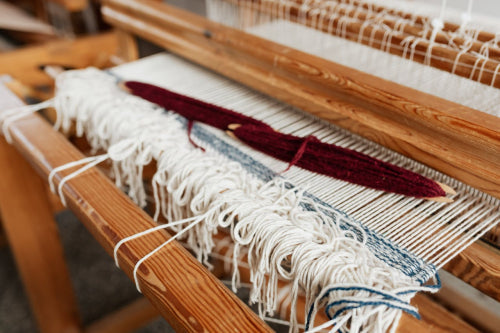
In the quiet rhythm of a handloom in rural India or the careful selection of a blouse in a bustling Singapore boutique, something deeper than fashion is at play. As explored in maintaining handwoven textile production, the real challenge lies in preserving centuries-old weaving techniques while satisfying the desires of today's discerning buyers across India, the US, Singapore, Australia, the UK, and the UAE. These artisans and the brands that champion them are not merely producing cloth they are safeguarding a living heritage that speaks of skill, sustainability, and soul.
Fast fashion erodes cultural heritage, sidelining artisans and reducing traditions to trends. At IndieHaat, we champion India's craftspeople with handcrafted sarees, apparel, décor, and skincare rooted in authenticity. Each piece embodies skill and ethical care. Support artisans and preserve India's timeless legacy Shop Now!
Why Authenticity Matters in Handwoven Textiles
Handwoven textiles carry stories woven into every thread. Unlike machine-made fabrics churned out at scale, they reflect the patience and expertise of individual artisans who have honed their craft over generations. For consumers in diverse markets from India to the UAE, authenticity offers a tangible connection to culture and ethics. In India, where handloom weaving forms part of the national identity, it supports rural livelihoods and keeps traditional skills alive in villages across the country. Abroad, in places like the US, UK, and Australia, buyers seek pieces that stand apart from fast fashion's uniformity.
This preference stems from a broader desire for items that feel personal and responsible. Brands that source directly from artisans deliver unique designs that cannot be replicated by machines. The result is clothing that feels special, lasts longer, and aligns with values of conscious consumption. When shoppers choose such products, they invest in more than fabric they back communities and traditions that might otherwise vanish.
The Rising Demand for Ethical and Thoughtfully Made Garments
Women everywhere are reaching for versatile wardrobe staples shirts and blouses that move effortlessly from office to evening. This shift mirrors a larger appreciation for quality and integrity in production. Recent industry insights highlight the growing momentum in the women's shirts and blouses market, which was valued at USD 37.5 billion in 2023 roughly ₹3.11 lakh crore reflecting strong interest among working women in garments that prioritise comfort, durability, and ethical roots.
Buyers in Singapore, the UAE, Australia, and India increasingly favour natural fibres over synthetic blends. They want clothing that breathes, ages gracefully, and reflects thoughtful sourcing. This demand creates opportunities for artisans who maintain purity in their work, using only linen, silk, and cotton that feel luxurious against the skin and respect the environment. Another perspective notes how consumer priorities have evolved toward enhanced fit, innovative materials, and multi-functional designs that reflect personal values, favouring brands with ethical sourcing and transparent supply chains, while digital channels transform discovery and purchase.
Challenges Facing Artisans in a Modern World
Preserving authenticity is no simple task. Artisans contend with stiff competition from power looms and fast-fashion giants that flood markets with inexpensive alternatives. Raw material costs fluctuate, and younger generations sometimes drift away from the loom toward urban jobs. Reaching international customers requires digital savvy that not every weaver possesses.
Even when products reach shelves or screens, common objections arise. Some hesitate at the higher price point, wondering if the cost truly matches the value. Others face a trust deficit in an online marketplace where claims of handmade can be hard to verify. The lack of opportunity to touch and feel the product before buying adds another layer of uncertainty. These hurdles test the resilience of traditional practices, yet they also push artisans and brands toward creative solutions that highlight handmade items directly sourced from artisans.
Strategies Modern Artisans Use to Preserve Tradition
Forward-thinking artisans and the brands partnering with them have developed practical ways to protect their craft while meeting market needs. Direct sourcing from weavers ensures fair wages and complete transparency about origins. This approach eliminates middlemen and lets the true story of each piece travel with the garment.
Sticking to authentic and pure fabrics only linen, silk, and cotton sets these items apart. These natural materials offer superior breathability and drape, qualities machine-made synthetics struggle to match. Unique designs, often inspired by regional motifs yet adapted for contemporary life, allow wearers to express individuality without sacrificing heritage.
Many weavers now document their process through short videos shared on Instagram, Facebook, and YouTube. These glimpses into the workshop humanise the product, turning an anonymous purchase into a connection with the maker. Collaborations with designers help translate traditional techniques into wearable styles suitable for global wardrobes from crisp linen shirts perfect for India's humid days to silk blouses ideal for cooler evenings in the UK.
Celebrating the Power of Pure Natural Fabrics
Linen, silk, and cotton form the foundation of authentic handwoven collections. Linen brings crisp texture and natural cooling properties perfect for warm climates across India and the UAE. Silk offers luminous drape and temperature regulation that feels indulgent yet practical. Cotton, especially when hand-picked and minimally processed, delivers softness and longevity that customers return to season after season.
By limiting production to these fibres, artisans avoid the environmental toll of synthetic alternatives. The result is clothing that ages beautifully, develops character with wear, and can be passed down or repurposed. This commitment to purity resonates strongly with buyers who value sustainability as much as style, creating pieces that feel both timeless and deeply personal.
Addressing Common Customer Objections Head-On
High pricing often gives pause, yet it reflects the true economics of handcraft: hours of skilled labour, premium materials, and ethical wages. When explained clearly through detailed product stories or artisan spotlights customers understand why a handwoven linen shirt commands its value. It is an investment in quality and community rather than a disposable trend.
Trust deficits shrink when brands share verifiable sourcing information and behind-the-scenes content from real artisans. Videos of weavers at work, posted on social platforms like Instagram, Facebook, and YouTube, build confidence that the item is exactly as described. The challenge of not being able to touch and feel the product is met with rich photography, fabric swatch descriptions, generous sizing guides, and customer-shared photos that show real-life drape and texture.
These steps turn potential objections into reasons for loyalty. Shoppers who once hesitated become advocates, sharing their own experiences and encouraging friends across markets to explore handwoven options that celebrate craftsmanship.
Meeting Global Demand Across Key Markets
From bustling markets in India to sophisticated retailers in the US and UAE, demand for authentic handwoven textiles continues to evolve. Consumers in Singapore and Australia appreciate the lightweight versatility of linen and cotton for everyday wear. In the UK, buyers seek silk pieces that transition seamlessly between professional and social settings. Across all these regions, the common thread is a desire for uniqueness and integrity.
Brands that listen to these varied preferences while staying rooted in traditional techniques thrive. They adapt designs without diluting authenticity, offering silhouettes that honour cultural roots yet fit modern lifestyles. Social media channels amplify this reach, allowing artisans to connect directly with audiences thousands of kilometres away and showcase the journey behind every garment.
The Path Forward for Authentic Handwoven Production
The future belongs to those who balance reverence for the past with openness to the present. Artisans who continue refining their skills, embracing storytelling, and partnering thoughtfully with brands will keep their traditions vibrant. Consumers, in turn, gain clothing that feels meaningful and wears beautifully over time.
Supporting handwoven textiles means more than adding a beautiful blouse or shirt to the wardrobe. It sustains livelihoods, protects cultural knowledge, and encourages a more mindful approach to consumption. In an era of endless options, choosing authenticity offers something rare: a piece of clothing with heart, history, and enduring appeal. Through platforms like Instagram, Facebook, and YouTube, the conversation between maker and wearer grows richer every day, ensuring these time-honoured crafts not only survive but flourish for generations to come.
Frequently Asked Questions
Why is authenticity important in handwoven textiles?
Authentic handwoven textiles preserve traditional skills and cultural heritage while providing unique, high-quality garments. Unlike machine-made fabrics, each piece reflects the artisan's expertise, supports rural livelihoods, and offers consumers a meaningful connection to ethical and sustainable fashion.
How do handwoven textile brands ensure ethical and sustainable production?
Brands that prioritize authenticity often source directly from artisans, pay fair wages, and use natural fibers like linen, silk, and cotton. This approach eliminates middlemen, maintains transparency, and allows consumers to invest in products that are both environmentally responsible and culturally significant.
What challenges do artisans face in maintaining handwoven textile traditions?
Artisans contend with competition from fast fashion, fluctuating raw material costs, and younger generations moving away from weaving. They also face difficulties reaching international markets and convincing customers of the value of handcrafted items, which they overcome through storytelling, social media engagement, and showcasing the uniqueness of their work.
Disclaimer: The above helpful resources content contains personal opinions and experiences. The information provided is for general knowledge and does not constitute professional advice.
You may also be interested in: A beginner's guide to selecting the perfect dupatta
Fast fashion erodes cultural heritage, sidelining artisans and reducing traditions to trends. At IndieHaat, we champion India's craftspeople with handcrafted sarees, apparel, décor, and skincare rooted in authenticity. Each piece embodies skill and ethical care. Support artisans and preserve India's timeless legacy Shop Now!
Powered by flareAI.co