
Linen vs Cotton Sarees: Which One Should You Choose for Your Wardrobe?
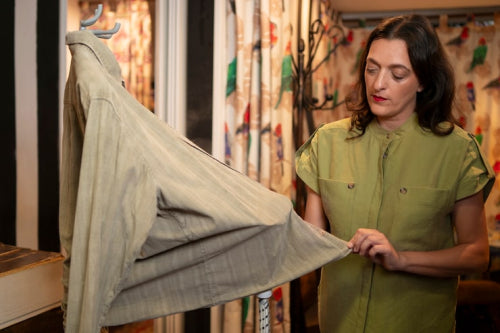
The timeless elegance of the saree continues to captivate wardrobes across continents from the vibrant streets of India to South Asian diaspora communities in the United States, Canada, the United Kingdom, Europe, Australia, Singapore and the UAE. Among the many fabric choices available today, two natural standouts consistently rise to the top: linen and cotton. Both deliver exceptional breathability, genuine comfort and a meaningful connection to sustainable fashion at a time when conscious purchasing decisions matter more than ever.
Shoppers today want garments that honor tradition while fitting seamlessly into contemporary lifestyles. So which fabric deserves a permanent place in your collection? This guide compares linen and cotton sarees with clear, practical insights to help you choose confidently.
Fast fashion erodes cultural heritage, sidelining artisans and reducing traditions to trends. At IndieHaat, we champion India's craftspeople with handcrafted sarees, apparel, décor and skincare rooted in authenticity. Each piece embodies skill and ethical care. Support artisans and preserve India's timeless legacy Shop Now!
Fabric Fundamentals: What Makes Cotton and Linen Different
Cotton sarees remain wardrobe anchors for good reason. Woven from the soft fibers of the cotton plant, this fabric offers outstanding breathability and excellent moisture absorption, making it perfect for daily wear in almost any setting. In India it continues to dominate casual, office and ceremonial drapes. Among diaspora communities in North America and Europe, cotton sarees frequently appear in relaxed fusion outfits and family celebrations thanks to their forgiving drape and smooth, printable surface.
Linen, produced from the long fibers of the flax plant, delivers a completely different personality. Its signature crisp hand-feel, natural slubs and superior airflow create a relaxed yet polished silhouette. Linen sarees wick moisture rapidly and dry quickly, giving them a clear edge in consistently warm or humid conditions. The fabric's inherent texture adds understated character that pairs beautifully with both minimalist and statement jewelry.
Cotton Sarees: The Reliable Everyday Classic
Cotton's enduring popularity stems from accessibility, versatility and ease of care. It falls softly without stiffness, adapts to a wide range of climates and withstands frequent laundering remarkably well. In humid cities such as Singapore or coastal areas of the UAE, cotton provides dependable all-day comfort. In cooler or more variable climates across Canada, the UK and parts of Europe, its gentle warmth and layering potential keep it relevant year-round.
That said, cotton has limitations worth noting. It can shrink slightly without pre-washing, wrinkles more noticeably than some synthetics and conventional large-scale production is water-intensive. Handwoven cotton sarees sourced directly from artisans often present a more environmentally responsible alternative with smaller ecological footprints.
Linen Sarees: The Modern, Breathable Luxury
Linen excels where sustained heat and humidity dominate. Many wearers describe it as feeling noticeably cooler and airier than cotton in tropical or summer conditions ideal for daytime events, travel, or warm-weather wardrobes in Australia, southern Europe and Gulf countries. The fabric's quick-drying nature and natural durability reward owners with pieces that improve in softness and character over time.
Artisanal linen sarees carry an elevated aesthetic that aligns perfectly with the current demand for authentic, low-impact fashion. While the initial price point tends to sit higher due to labor-intensive cultivation and weaving, the long-term value both aesthetic and ethical frequently justifies the investment for mindful shoppers.
Why Natural Fibers Matter in Today's Market
Both cotton and linen belong to the growing family of natural fibers valued worldwide for their biodegradability and renewable origins. Industry reports highlight steady expansion in this category, fueled by rising consumer awareness of environmental impact and preference for eco-friendly textiles. Cotton continues to lead plant-based fibers by a wide margin, reflecting its entrenched position across apparel categories.
Shoppers in the United States, Canada and Europe increasingly seek out handcrafted ethnic wear that tells a transparent story. Direct-from-artisan sourcing such as the model followed by brands like IndieHaat addresses authenticity concerns while supporting skilled weavers and preserving traditional techniques.
Overcoming Common Hesitations When Buying Online
Three objections surface repeatedly when considering premium handwoven sarees online:
- Price feels high compared to mass-market options. Handcrafted pieces command more because every step from yarn selection to final weave supports individual artisans rather than factory-scale production. The result is superior quality, unique design and a direct positive impact on creative communities.
- Hard to trust quality without touching the fabric. Reputable sellers counter this with close-up photography, detailed fabric descriptions, size guides and customer-friendly return policies. Genuine reviews and real-wear photos shared on Instagram and Facebook further build confidence.
- Concern about care and wrinkles. Both fabrics thrive with simple routines: gentle hand or machine washing in cold water, mild detergent and air-drying flat or on hangers. Linen's characteristic wrinkles soften dramatically with wear and proper folding; many owners come to appreciate them as part of the fabric's authentic charm.
Climate, Occasion and Personal Style: How to Decide
Climate remains one of the strongest guides:
- Persistent heat and humidity → lean toward linen sarees for superior cooling and quick comfort.
- Mixed seasons or air-conditioned environments → cotton sarees offer dependable softness and easier styling flexibility.
- Variable weather across much of North America and Europe → a balanced wardrobe containing both fabrics provides maximum versatility.
Occasion matters too. Cotton feels effortlessly appropriate for daytime gatherings, casual office wear (when draped in contemporary styles) and everyday elegance. Linen brings a quietly luxurious edge to summer weddings, garden parties, cultural festivals and upscale evening events.
Building a Thoughtful, Long-Lasting Saree Wardrobe
No universal “best” fabric exists the right choice depends on where you live, how you live and what you value most. Cotton delivers familiar, low-fuss comfort that never goes out of style. Linen offers elevated breathability, distinctive texture and a modern interpretation of heritage craftsmanship.
Thoughtful collectors maintain a mix of both. A few pure cotton sarees handle daily wear and transitional weather, while carefully chosen linen pieces elevate special occasions and hot-weather travel. Together they create a versatile, sustainable wardrobe rooted in tradition yet perfectly suited to contemporary life.
Explore handcrafted sarees made with pure linen, cotton, or silk each one carrying the skill and story of the artisan who wove it. Whether you gravitate toward cotton's gentle familiarity or linen's crisp sophistication, the perfect piece is waiting to become a cherished favorite.
Frequently Asked Questions
Which is better for hot and humid weather linen or cotton sarees?
Linen sarees are the superior choice for persistently hot and humid climates, as linen wicks moisture rapidly and dries quickly, keeping you noticeably cooler than cotton. Cotton sarees, while breathable and comfortable, are better suited to mixed seasons or air-conditioned environments where their softness and styling flexibility shine. If you live in tropical regions, Gulf countries, or experience warm Australian summers, a linen saree is the smarter investment for all-day comfort.
Are linen sarees worth the higher price compared to cotton sarees?
Yes linen sarees typically cost more due to the labor-intensive cultivation of flax fibers and artisanal weaving processes, but they offer long-term value that justifies the investment. Linen grows softer and more characterful with each wear, making it exceptionally durable, while its elevated texture and quiet luxury make it ideal for weddings, cultural festivals and upscale occasions. For mindful shoppers seeking authentic, low-impact fashion, a handcrafted linen saree is both an ethical and aesthetic choice.
How do you care for linen and cotton sarees to keep them looking their best?
Both linen and cotton sarees are easy to maintain with a simple routine gentle hand or machine wash in cold water with mild detergent, followed by air-drying flat or on a hanger. Cotton sarees may shrink slightly without pre-washing, so it's best to wash before the first wear. Linen's characteristic wrinkles soften naturally with wear and proper folding and many owners come to appreciate them as part of the fabric's authentic, relaxed charm.
Disclaimer: The above helpful resources content contains personal opinions and experiences. The information provided is for general knowledge and does not constitute professional advice.
You may also be interested in: Buy Linen Saree Online: What to Know Before You Click
Fast fashion erodes cultural heritage, sidelining artisans and reducing traditions to trends. At IndieHaat, we champion India's craftspeople with handcrafted sarees, apparel, décor and skincare rooted in authenticity. Each piece embodies skill and ethical care. Support artisans and preserve India's timeless legacy Shop Now!
Powered by flareAI.co