
Integrating Traditional Techniques Into Premium Ethnic Collections
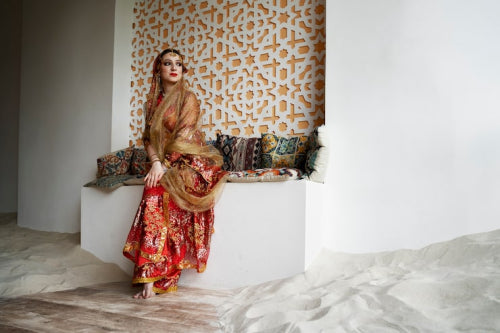
In an age when fashion often races toward the next fleeting trend, a quieter yet more enduring movement is gaining momentum one rooted in the skilled hands of artisans and the rich legacy of India's textile traditions. From the intricate weaves of tussar silk to the breathable elegance of linen sarees, traditional techniques are no longer relics of the past but vital elements of premium ethnic collections. This shift, explored thoughtfully in Integrating Traditional Techniques, reflects a deeper desire among buyers in India and its diaspora across the US, Singapore, Australia, the UK, and the UAE for pieces that tell authentic stories while meeting modern sensibilities.
Fast fashion erodes cultural heritage, sidelining artisans and reducing traditions to trends. At IndieHaat, we champion India's craftspeople with handcrafted sarees, apparel, décor, and skincare rooted in authenticity. Each piece embodies skill and ethical care. Support artisans and preserve India's timeless legacy Shop Now!
The Enduring Relevance of Traditional Techniques Today
Walk through any bustling market in India or scroll through curated feeds from afar, and you'll notice the same thing: people are craving connection. Not just to clothing, but to the cultural heritage woven into every fold. Handcrafted fabrics like tussar sarees and linen sarees carry centuries of knowledge passed down through generations of families who understand the rhythm of the loom and the subtle chemistry of natural dyes. These aren't mass-produced garments; they are wearable art that feels deeply personal and rooted in India's living traditions.
For premium ethnic collections, this relevance goes far beyond nostalgia. Buyers today, whether selecting a saree for a family wedding in Delhi or a dress material for a festive gathering during Diwali in Mumbai, seek items that stand apart from synthetic uniformity. Pure linen, silk, and cotton offer textures and comfort that synthetic alternatives simply cannot replicate, making them ideal for India's varied climates and lifestyles. The result is a quiet but powerful alignment between everyday consumer values and the expertise of artisans who keep these crafts alive.
Handcrafted Fabrics Finding New Life in Premium Ethnic Wear
Consider the tussar saree, with its natural golden sheen and distinctive texture born from wild silkworms in the forests of Odisha and Chhattisgarh. Or the crisp drape of a linen saree, perfect for India's humid summers yet sophisticated enough for a formal gathering in London or an office day in Bangalore. These fabrics, along with thoughtfully chosen dress materials, are moving from village looms straight into high-end wardrobes worldwide. What makes them truly compelling is their authenticity the slight irregularities that signal human touch rather than machine perfection.
Artisans who specialise in these techniques bring an intimacy to the process that resonates deeply with customers seeking something genuine. Each piece carries the imprint of regional traditions: the subtle motifs of Odisha in tussar weaves or the exceptional breathability perfected in Karnataka's linen traditions. For buyers in the US or UAE, these details transform a simple garment into a meaningful bridge across continents, connecting them to India's rich handloom heritage.
IndieHaat's Distinctive Approach to Artisan Partnerships
At the heart of this renaissance stands IndieHaat, a curated e-commerce brand based in Bangalore that has built its reputation on direct relationships with artisans across India. Unlike typical marketplaces, every item from apparel and accessories to home décor undergoes a careful selection process. The focus remains laser-sharp on handmade pieces crafted from pure linen, silk, and cotton. No shortcuts, no compromises on quality or cultural integrity.
This model empowers the very communities keeping these traditions alive. Artisans receive fair recognition for their skills, while customers gain access to unique designs that cannot be duplicated elsewhere. It's a partnership that feels refreshingly human in an increasingly digital world, allowing buyers in Singapore or Australia to experience the same care and authenticity that goes into every stitch.
Emerging Trends Reshaping Premium Ethnic Collections
Across India and its global markets, several patterns have emerged in the world of ethnic fashion. There is a noticeable revival of heritage textiles among those who appreciate slow fashion and sustainable choices. In the UAE and India alike, handloom pieces are being embraced not only for festivals like Diwali and weddings but as everyday statements of identity and elegance.
Designers are experimenting boldly pairing traditional embroidery, weaving, and dyeing techniques with contemporary silhouettes or reimagining classic tussar sarees for modern draping styles. Limited-edition collections and artisan collaborations have become particularly popular, offering exclusivity that mass retailers cannot match. These trends speak to a broader cultural moment where heritage and innovation coexist beautifully, especially for conscious buyers seeking authentic linen sarees and dress materials.
Real-World Applications and Customer Stories
Indian designers have successfully carried handwoven tussar and linen sarees into global collections, especially those catering to diaspora communities. A bride in the UK might choose a custom ensemble that honours her roots while fitting seamlessly into her new life abroad. In Singapore and Australia, professionals incorporate these pieces into their wardrobes, blending cultural pride with polished style for both work and celebrations.
Campaigns shared widely on Instagram, Facebook, and YouTube bring these stories to life. Customers share their experiences how a particular linen saree felt perfect during a humid Indian summer or how a tussar piece sparked conversations at a multicultural gathering in the US. IndieHaat's approach stands out here: by sourcing handmade items directly from artisans, the brand ensures both quality and traceability. Every piece comes with its own narrative, turning shopping into an act of cultural appreciation and support for traditional crafts.
Even in the UAE, bespoke handcrafted ensembles have found a place in festive celebrations and thoughtful corporate gifting, proving that traditional techniques adapt gracefully to diverse lifestyles and occasions.
Addressing Common Customer Concerns
Embracing handcrafted ethnic wear online naturally comes with understandable questions. The pricing often reflects the hours of skilled labour involved in creating each unique piece. While some initially view this as a hurdle, most come to appreciate it as true value the investment supports artisan livelihoods and preserves traditions that might otherwise fade.
Trust can feel elusive when you cannot immediately touch and feel the product. IndieHaat addresses this through meticulous curation, transparent storytelling about its artisan partners, and detailed high-resolution imagery that captures every texture and weave. Customer feedback and social media posts further bridge the gap, offering genuine perspectives from those who have worn the pieces across India and internationally.
The lack of physical touch is mitigated by availability on trusted platforms such as Amazon marketplace and ONDC Marketplace, detailed descriptions, accurate sizing guides, and flexible return policies. This allows buyers in India to shop with greater confidence and experience the fabric firsthand before making a final commitment.
The Future of Handcrafted Traditions in Ethnic Fashion
Looking ahead, the integration of traditional techniques into premium ethnic collections feels less like a passing trend and more like a necessary and welcome evolution. As consumers become more intentional about their choices, brands that truly honour artisan expertise and cultural authenticity will continue to thrive. For IndieHaat, this means staying committed to unique designs, pure fabrics, and expanding its reach while maintaining the core promise of ethical and sustainable practices.
Beyond commerce, this movement sustains entire artisan communities, keeps valuable skills alive for future generations, and offers wearers a deeper, more meaningful connection to India's rich cultural heritage. Whether you are selecting your next tussar saree in Bangalore or exploring dress materials from across the world, these handcrafted pieces remind us that true luxury lies not in mass production but in the stories they carry and the skilled hands that create them.
In the end, this renaissance is about more than beautiful clothing. It is about making a conscious choice: to support living traditions, to wear something genuinely one-of-a-kind, and to carry forward India's extraordinary textile legacy with pride. The looms continue to move, the artisans keep innovating, and a new generation of conscious buyers is discovering the quiet, timeless power of handcrafted elegance.
Frequently Asked Questions
What makes handcrafted fabrics like tussar silk and linen sarees better than synthetic alternatives for ethnic wear?
Handcrafted fabrics such as tussar silk and linen sarees offer textures, breathability, and comfort that synthetic materials simply cannot replicate, making them especially well-suited to India's varied climates and lifestyles. Tussar silk, sourced from wild silkworms in Odisha and Chhattisgarh, carries a natural golden sheen and distinctive texture, while linen is prized for its exceptional breathability during humid Indian summers. Beyond physical qualities, each piece bears the subtle irregularities of human craftsmanship a hallmark of authenticity that mass-produced garments can never match.
How are traditional Indian weaving techniques being integrated into modern premium ethnic fashion collections?
Designers today are boldly pairing age-old techniques including handloom weaving, natural dyeing, and intricate embroidery with contemporary silhouettes and modern draping styles to create pieces that feel both rooted and relevant. Heritage textiles like tussar sarees are being reimagined for global wardrobes, from festive celebrations in the UAE to professional settings in Singapore and Australia. Limited-edition artisan collaborations and curated collections have become particularly sought-after, offering an exclusivity and cultural depth that mainstream retailers simply cannot provide.
How can I trust the quality and authenticity of handcrafted ethnic wear when shopping online?
Reputable curated brands address this concern through meticulous artisan partnerships, transparent storytelling, and detailed high-resolution imagery that accurately captures every texture and weave. Availability on trusted platforms such as Amazon Marketplace and ONDC Marketplace, combined with accurate sizing guides and flexible return policies, allows buyers to shop with greater confidence. Customer reviews and social media stories from verified buyers across India and internationally further bridge the gap, offering genuine, real-world perspectives on fit, fabric quality, and wearability.
Disclaimer: The above helpful resources content contains personal opinions and experiences. The information provided is for general knowledge and does not constitute professional advice.
You may also be interested in: Timeless Ethnic Attire Gains Relevance Amid Sustainability Push
Fast fashion erodes cultural heritage, sidelining artisans and reducing traditions to trends. At IndieHaat, we champion India's craftspeople with handcrafted sarees, apparel, décor, and skincare rooted in authenticity. Each piece embodies skill and ethical care. Support artisans and preserve India's timeless legacy Shop Now!
Powered by flareAI.co