How to Evaluate Craftsmanship in Artisan Clothing
Quick Listen:
Evaluating craftsmanship in artisan clothing requires looking beyond appearance. A beautifully designed garment may attract attention, but its true value often comes from the skill, time, materials, and techniques involved in creating it. For shoppers interested in handmade fashion, understanding these details helps distinguish authentic artisan work from clothing that only imitates traditional aesthetics.
Artisan clothing carries the knowledge of makers who refine specialised techniques over years and often across generations. From the precision of embroidery to the quality of fabric selection and finishing, every element provides clues about the care behind a garment. Learning how to evaluate craftsmanship in artisan clothing allows consumers to make more informed choices while appreciating the cultural and creative effort invested in each piece.
Fast fashion erodes cultural heritage, sidelining artisans and reducing traditions to trends. At IndieHaat, we champion India's craftspeople with handcrafted sarees, apparel, décor, and skincare rooted in authenticity. Each piece embodies skill and ethical care. Support artisans and preserve India's timeless legacy Shop Now!
Understand What Makes Artisan Clothing Different
The difference between handmade and mass-produced clothing is not only about how a garment is made. It is also about the relationship between the maker, the materials, and the creative process. Artisan garments often reflect regional traditions, specialised skills, and individual attention that are difficult to replicate through standardised production methods.
When assessing a handcrafted piece, shoppers should consider the story behind the garment. A thoughtfully created item often shows evidence of human involvement through unique patterns, subtle variations, detailed surface work, or traditional methods adapted for modern wardrobes.
Traditional textile craftsmanship in India represents a wide range of skills, including weaving, embroidery, printing, dyeing, and decorative techniques. Understanding these methods helps shoppers recognise when a garment reflects genuine craft knowledge rather than simply using traditional-inspired designs as decoration.
Examine Fabric Quality and Material Selection
One of the first steps in evaluating artisan clothing is examining the fabric itself. Quality materials influence how a garment feels, wears, and maintains its character over time. A well-crafted piece usually begins with careful consideration of the textile chosen for its purpose.
Pay attention to the texture, weight, weave, and overall finish of the fabric. Natural variations may be expected in handmade textiles because they reflect the individual process involved in production. These details can add character rather than indicate inconsistency.
- Does the fabric feel suitable for the garment's intended use?
- Does the material show signs of careful handling and finishing?
- Are colours, patterns, and textures balanced throughout the piece?
- Does the textile reflect the technique used to create it?
Material choices often reveal the maker's understanding of comfort, durability, and design. A garment created with attention to fabric selection is more likely to demonstrate thoughtful craftsmanship.
Look Closely at Stitching, Embroidery, and Finishing Details
The smallest details often reveal the greatest amount about a garment's construction. Stitching, embroidery, seams, and finishing techniques can indicate the level of expertise involved in creating an artisan piece.
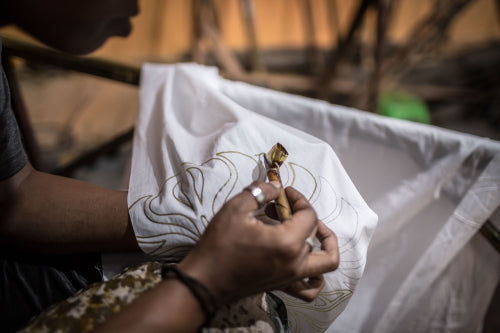
Hand embroidery, for example, requires patience, precision, and knowledge of traditional methods. The placement of motifs, consistency of patterns, and complexity of decorative work can help shoppers understand the skill required behind the garment.
Well-crafted artisan garments usually show careful attention in areas that are easy to overlook, including:
- Neat and secure seams
- Balanced embroidery placement
- Clean edges and finishing
- Thoughtful alignment of patterns
- Strong construction designed for regular wear
These features help answer an important question: what makes artisan clothing unique? The answer is often found in the combination of technical ability and personal attention that goes into each stage of production.
Recognise the Role of Traditional Techniques and Artisan Skills
Craftsmanship is closely connected to knowledge. Many artisan techniques require specialised training and an understanding of materials, patterns, and processes developed through experience.
For shoppers, recognising artisan skills means learning about the methods behind a garment. Hand block printing, weaving styles, embroidery traditions, and regional textile practices each involve different approaches to design and production.
Fashion experts have highlighted how traditional South Asian techniques continue to influence contemporary clothing by combining heritage methods with modern design approaches. The relationship between craft traditions and current fashion shows why understanding production methods is important when assessing quality. Heritage fashion design demonstrates how traditional skills can remain relevant while adapting to changing consumer preferences.
A garment with authentic craftsmanship usually has a connection between the design idea and the technique used to create it. Instead of simply adding decorative elements, skilled makers use craft methods as an essential part of the garment's identity.
Evaluate Transparency and the Story Behind the Garment
Quality assessment is not limited to physical features. Understanding how a garment is created can provide valuable insight into its authenticity and craftsmanship.
Consumers increasingly want to know more about the people and processes behind the products they purchase. For artisan clothing, this means exploring information about sourcing, production methods, and the involvement of skilled makers.
Responsible purchasing decisions can help support the continuation of specialised craft knowledge. Research into Indian textile communities has emphasised the importance of consumer awareness in preserving traditional skills and recognising the expertise behind handmade garments. Preserving artisan skills highlights why craftsmanship involves more than visual appeal; it represents knowledge, labour, and cultural continuity.
- Whether the production process is clearly explained
- Whether the garment reflects genuine craft techniques
- Whether the maker's skills and methods are respected
- Whether the piece offers lasting value beyond seasonal trends
Compare Handmade Craftsmanship with Mass Production
Understanding the difference between handmade and mass-produced clothing helps shoppers identify what they value most in their purchases. Mass production focuses on consistency and scale, while artisan clothing often focuses on individuality, technique, and creative expression.
Neither approach serves the same purpose. However, handmade garments provide a different experience because they often contain elements shaped by human decision-making throughout the creation process.
- Production approach: Handmade garments typically involve more direct artisan involvement, while mass production relies on standardised manufacturing systems.
- Design character: Artisan pieces may include distinctive details that reflect traditional methods or individual creativity.
- Connection to culture: Craft-based clothing can represent regional skills and historical techniques.
- Attention to detail: Handmade processes often allow greater focus on finishing and decorative elements.
Recognising these differences helps shoppers evaluate clothing based on craftsmanship, purpose, and personal values rather than only price or appearance.
Build Confidence When Choosing Artisan Clothing
Learning how to identify quality handmade clothing becomes easier with practice. Shoppers do not need expert knowledge of every textile tradition to make better decisions. Instead, they can develop an appreciation for the details that indicate thoughtful creation.
A practical approach is to examine the garment carefully, ask questions about its production, and understand the techniques used. Over time, these habits make it easier to recognise craftsmanship and choose pieces that feel meaningful and well made.
Artisan clothing represents more than a finished product. It reflects creativity, technical skill, and the relationship between makers and their craft. By paying attention to materials, construction, techniques, and production stories, consumers can better appreciate the value of handmade fashion.
For shoppers exploring handcrafted apparel, evaluating craftsmanship is a way to connect with the people, traditions, and skills behind each garment. A carefully made piece carries evidence of patience and expertise, turning clothing into an expression of culture, creativity, and lasting quality.
Frequently Asked Questions
How can I evaluate craftsmanship in artisan clothing?
You can evaluate craftsmanship in artisan clothing by examining fabric quality, stitching, embroidery, finishing details, and the techniques used to create the garment. Look for signs of skilled workmanship, thoughtful construction, and authentic handmade processes that show the maker's expertise.
What are the key features of well-crafted artisan garments?
Well-crafted artisan garments often include high-quality materials, secure seams, balanced embroidery, careful pattern placement, and refined finishing. These details reflect the time, skill, and traditional textile knowledge involved in creating handmade clothing.
How can I identify quality handmade clothing compared with mass-produced clothing?
To identify quality handmade clothing, consider the production methods, uniqueness of design details, artisan involvement, and connection to traditional techniques. Handmade garments often show individual character and craftsmanship that differ from the consistency-focused approach of mass-produced clothing.
Disclaimer: The above helpful resources content contains personal opinions and experiences. The information provided is for general knowledge and does not constitute professional advice.
You may also be interested in: Buy Linen Saree Online: What to Know Before You Click
Fast fashion erodes cultural heritage, sidelining artisans and reducing traditions to trends. At IndieHaat, we champion India's craftspeople with handcrafted sarees, apparel, décor, and skincare rooted in authenticity. Each piece embodies skill and ethical care. Support artisans and preserve India's timeless legacy Shop Now!
Powered by flareAI.co