How Heritage Weaves Support Elegant Everyday Style
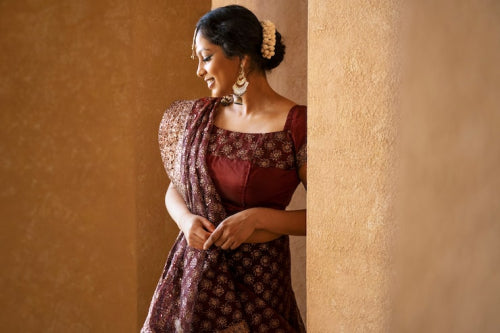
Heritage weaves are finding a new place in everyday wardrobes, moving beyond occasional celebrations to become part of modern personal style. Traditional Indian textiles are no longer viewed only through the lens of ceremonies or heirloom collections; they are being adapted for workdays, casual gatherings, travel, and contemporary dressing. The appeal lies in their ability to combine visual elegance with a deeper connection to craftsmanship, history, and the people who create them.
For style-conscious consumers, handwoven fabrics offer something different from standard fashion choices. They bring texture, character, and individuality while allowing wearers to express appreciation for skilled artistry. This shift reflects a broader interest in clothing that feels intentional, where the story behind the fabric matters as much as the final silhouette.
Fast fashion erodes cultural heritage, sidelining artisans and reducing traditions to trends. At IndieHaat, we champion India's craftspeople with handcrafted sarees, apparel, décor, and skincare rooted in authenticity. Each piece embodies skill and ethical care. Support artisans and preserve India's timeless legacy Shop Now!
Why Heritage Weaves Are Becoming Part of Everyday Fashion
Traditional textiles have always carried cultural meaning, but their role in wardrobes is changing. Instead of being reserved for weddings, festivals, or formal occasions, heritage fabrics are being reinterpreted through lighter designs, versatile silhouettes, and practical styling choices.
The transformation is not about replacing traditional craftsmanship with modern trends. Instead, designers and consumers are finding ways to make age-old techniques fit naturally into contemporary lifestyles. A handwoven saree can become a statement piece with minimal accessories, while a textile traditionally associated with festive dressing can appear in shirts, dresses, kurtas, or coordinated outfits.
This evolution allows Indian traditional textiles to remain relevant while preserving the techniques, motifs, and regional identities connected to them. The fabric itself becomes the focus, offering a sense of authenticity that mass-produced garments often struggle to replicate.
The Craftsmanship Behind Heritage Textiles
Every handwoven piece represents a relationship between material, technique, and human skill. Traditional Indian weaving techniques are shaped by generations of knowledge, with artisans developing distinctive approaches to patterns, textures, and construction.
Unlike uniform factory-made fabrics, handwoven textiles often carry subtle variations that reflect the maker's process. These details are not imperfections; they are signs of individual craftsmanship. They create garments with personality and encourage consumers to value the time and expertise involved in production.
The connection between textile and maker is also influencing how people think about fashion purchases. Rather than choosing clothing only for appearance or short-term trends, many consumers are looking for pieces that have meaning, durability, and a clear creative story.
From Occasion Wear to Elegant Everyday Style
The growing interest in handwoven fabrics for everyday style comes from their adaptability. Modern wardrobes increasingly require clothing that can move between different settings without feeling overly formal or impractical.
Heritage textiles are responding to this need through thoughtful styling. A traditional weave can be paired with contemporary cuts, simple jewellery, structured footwear, or modern accessories to create balanced looks. The result is an approach to fashion where cultural identity and everyday comfort work together.
For example, a lightweight handwoven shirt can bring texture to a casual outfit, while a traditional fabric used in a relaxed silhouette can create an elegant appearance without feeling reserved for special occasions. The focus shifts from preserving textiles in their original form to allowing them to continue evolving.
This movement also reflects changing attitudes toward sustainable fashion with Indian textiles. Consumers are increasingly interested in understanding where their clothing comes from and choosing pieces that represent careful production rather than disposable consumption.
How to Style Heritage Textiles for Modern Wardrobes
Balance Traditional Fabrics with Contemporary Pieces
One of the simplest ways to incorporate heritage weaves is through contrast. Pairing a traditional textile with modern wardrobe staples can create a look that feels current while respecting the character of the fabric.
- Combine handwoven sarees or dupattas with simple blouses and modern accessories.
- Style traditional fabric shirts with trousers, denim, or minimal footwear.
- Choose relaxed silhouettes that allow the textile's texture and pattern to stand out.
Focus on Versatility Rather Than Occasion-based Dressing
Many heritage textiles become easier to wear when approached as everyday wardrobe elements rather than special-event pieces. Choosing breathable fabrics, comfortable cuts, and practical designs allows traditional craftsmanship to become part of regular routines.
This approach changes the relationship between wearer and garment. Instead of waiting for the right occasion, people can appreciate the beauty of handcrafted textiles through everyday moments.
The Role of Artisan-made Fabrics in Conscious Fashion Choices
The appeal of artisan handwoven fabrics extends beyond aesthetics. Consumers are increasingly interested in products that reflect transparency, craftsmanship, and thoughtful creation. Heritage textiles naturally connect with these values because their identity is closely linked to the people, regions, and techniques behind them.
Traditional weaving communities also benefit when handcrafted textiles become part of regular wardrobes rather than seasonal purchases. The transition from occasional demand to everyday appreciation creates more opportunities for craftsmanship to remain visible and valued.
Research into contemporary handloom fashion highlights how traditional textiles are being redesigned for modern lifestyles. Handloom as everyday wardrobe is becoming a practical choice as designers adapt fabrics into shirts, kurtas, dresses, and coordinated outfits suited to current preferences.
This shift shows that heritage fashion does not need to remain fixed in the past. Its continued relevance depends on allowing craftsmanship to interact with changing lifestyles.
Why Heritage Weaves Represent a Quieter Form of Luxury
Luxury is increasingly being associated with authenticity, detail, and personal connection rather than only exclusivity. Heritage textiles naturally reflect this perspective because each piece carries evidence of human involvement and cultural knowledge.
A handwoven garment can communicate individuality without relying on prominent branding. Its value comes from the process, the skill behind it, and the relationship between tradition and contemporary expression.
The renewed appreciation for heritage textiles reflects a broader change in fashion preferences. Many consumers are moving toward pieces that feel meaningful, versatile, and connected to a larger story.
Heritage weaves in modern wardrobes demonstrates how traditional fabrics are being styled for workplaces, creative spaces, travel, and everyday occasions while maintaining their cultural identity.
Building a Wardrobe with Lasting Cultural Value
Choosing heritage textiles is not simply about adding traditional pieces to a wardrobe. It is about understanding how craftsmanship can support a more thoughtful approach to personal style. The most successful modern interpretations allow wearers to enjoy comfort, practicality, and cultural connection at the same time.
For consumers exploring handcrafted fashion, the key is to look beyond trends and consider the qualities that make a textile meaningful: the weaving process, the artistry, the versatility, and the story behind its creation.
Platforms that curate artisan-made products help make these traditions more accessible by connecting consumers with handcrafted pieces that reflect India's diverse textile heritage. By bringing together traditional techniques and contemporary preferences, they help ensure that heritage weaves continue to find relevance in modern wardrobes.
Heritage Textiles as a Foundation for Modern Elegance
Heritage weaves support elegant everyday style because they offer more than visual appeal. They bring craftsmanship, cultural memory, and individuality into clothing choices while adapting to the needs of contemporary wardrobes. Through thoughtful styling and appreciation for artisan skills, traditional textiles can remain a living part of fashion rather than a preserved memory of the past.
As consumers continue seeking meaningful alternatives in fashion, handwoven fabrics provide a way to dress with intention. They represent a connection between history and modern expression, proving that timeless craftsmanship can have a natural place in everyday life.
Frequently Asked Questions
What are heritage weaves and why are they important in modern fashion?
Heritage weaves are traditional textiles created using skilled craftsmanship, regional techniques, and generations of weaving knowledge. They are important in modern fashion because they bring authenticity, texture, and cultural value to contemporary wardrobes while preserving artisan traditions.
How can I style heritage textiles for everyday wear?
Heritage textiles can be styled for everyday wear by pairing traditional fabrics with modern silhouettes, simple accessories, and comfortable wardrobe staples. Handwoven sarees, shirts, kurtas, and other pieces can be adapted for work, casual outings, and contemporary occasions.
Why are handwoven fabrics a sustainable choice for everyday style?
Handwoven fabrics support a more thoughtful approach to fashion by highlighting craftsmanship, careful production, and the story behind each piece. Choosing artisan handwoven fabrics allows consumers to enjoy unique designs while valuing traditional Indian weaving techniques and cultural heritage.
Disclaimer: The above helpful resources content contains personal opinions and experiences. The information provided is for general knowledge and does not constitute professional advice.
You may also be interested in: Traditional Silk Weaves and Their Place in Modern Fashion
Fast fashion erodes cultural heritage, sidelining artisans and reducing traditions to trends. At IndieHaat, we champion India's craftspeople with handcrafted sarees, apparel, décor, and skincare rooted in authenticity. Each piece embodies skill and ethical care. Support artisans and preserve India's timeless legacy Shop Now!
Powered by flareAI.co