
How Ethical Shopping Supports Long-Term Sustainability
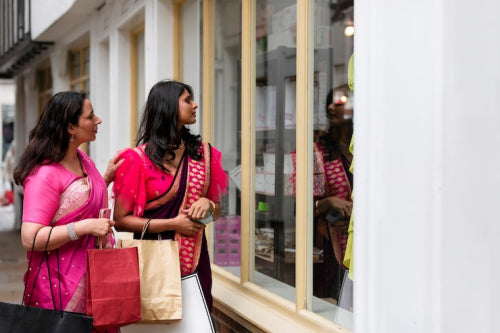
Ethical shopping is becoming less about choosing products with a label and more about understanding the relationship between what we buy, how items are made, and how long they remain useful. Consumers are increasingly looking beyond appearance and price to consider craftsmanship, production methods, social responsibility, and environmental impact. This shift reflects a broader understanding that sustainable choices are built through everyday decisions, from buying fewer unnecessary items to selecting products designed for durability and meaningful use.
The connection between ethical shopping and sustainability begins with a simple idea: every purchase influences demand. When consumers choose responsibly produced goods, they encourage practices that value people, resources, and long-term product quality. Sustainability is not only about the materials used to create an item; it is also about the way products are designed, produced, maintained, and valued over time.
Traditional ideas of ownership often focused on repairing, preserving, and passing down valuable possessions. Ethical shopping brings this perspective back by encouraging consumers to think about the complete life cycle of a product. A garment or home accessory that is carefully made and appreciated for years can have a different impact from an item designed around short-term use and frequent replacement.
For shoppers exploring handmade and artisan-created products, sustainability is closely connected with craftsmanship. Products created through skilled techniques often carry cultural meaning, individual character, and a level of care that encourages longer use. This changes the role of shopping from simple consumption into a more considered relationship between the buyer, maker, and product.
Fast fashion erodes cultural heritage, sidelining artisans and reducing traditions to trends. At IndieHaat, we champion India's craftspeople with handcrafted sarees, apparel, décor, and skincare rooted in authenticity. Each piece embodies skill and ethical care. Support artisans and preserve India's timeless legacy Shop Now!
Moving Beyond Disposable Consumption
One of the most important aspects of ethical shopping is changing how consumers think about value. Low-cost purchases may appear convenient, but they can encourage a cycle of frequent replacement when products are not designed for lasting use. Sustainable shopping practices encourage people to evaluate whether an item is genuinely needed, whether it can serve a purpose for years, and whether it aligns with personal values.
The growing interest in secondhand clothing highlights this shift in consumer behaviour. More shoppers are exploring ways to extend the useful life of products rather than immediately choosing newly produced alternatives. However, sustainability requires more than simply buying more items from different sources. Experts emphasize that mindful consumption involves purchasing only what is needed, selecting quality pieces, and caring for products properly.
Care practices such as appropriate washing, careful storage, and basic repairs can help extend the functional life of clothing. This approach applies equally to handmade apparel and other artisan-made goods. A product that is maintained and valued over time reduces the pressure created by unnecessary replacement.
The discussion around mindful secondhand shopping shows why sustainability should be viewed as a broader consumption philosophy rather than a single purchasing decision. The most responsible choice often begins before the transaction itself: asking whether the product is needed, how it will be used, and how long it can remain part of everyday life.
The Role of Craftsmanship in Sustainable Choices
Craftsmanship plays an important role in the connection between ethical shopping and long-term sustainability. Handmade products often represent knowledge developed through generations, where techniques, patterns, and production methods reflect local histories and creative traditions.
When consumers choose artisan-made products, they are not only purchasing an object; they are supporting the continuation of specialised skills. Traditional crafts depend on ongoing appreciation and demand. Without meaningful engagement from consumers, many craft practices face challenges in remaining economically viable for future generations.
The renewed interest in traditional textiles demonstrates how heritage and sustainability can work together. For example, the continued appreciation of Jamdani weaving shows how consumers who value craftsmanship and cultural identity can contribute to preserving specialised textile knowledge. The craft's revival highlights the importance of recognising handmade products as more than seasonal fashion items.
Jamdani craftsmanship illustrates how quality, cultural significance, and skilled production can encourage consumers to invest in pieces with lasting value. When shoppers see textiles as meaningful creations rather than temporary purchases, they may be more likely to maintain, preserve, and use them for longer periods.
How Conscious Consumer Choices Create Wider Impact
Ethical shopping also influences the relationship between consumers and producers. Behind every handmade product are people whose skills, time, and creativity contribute to the final piece. Supporting responsible production can help maintain connections between buyers and the communities that create the products they value.
This relationship is especially relevant in the handmade goods sector, where craftsmanship is often closely connected with individual expertise. A purchase can represent recognition of creative labour and encourage the continuation of techniques that might otherwise become less common.
Consumers do not need to make perfect choices to participate in sustainable living. Instead, they can focus on developing habits that reduce waste and increase awareness. Choosing durable products, understanding production methods, repairing items when possible, and supporting responsible businesses are practical steps that can become part of everyday decision-making.
The impact of conscious consumer choices extends beyond individual purchases. When consumer expectations change, businesses are encouraged to pay greater attention to transparency, sourcing, craftsmanship, and responsible production methods. Ethical shopping therefore becomes part of a wider movement toward more thoughtful relationships between commerce, communities, and resources.
Practical Ways to Adopt Sustainable Shopping Habits
Building sustainable shopping habits does not require completely changing personal preferences. It involves making more informed choices and considering the long-term value of each purchase. Consumers can begin by asking a few practical questions before buying:
- Is this product needed? Reducing unnecessary purchases is one of the simplest ways to approach responsible consumption.
- Will it last? Quality, construction, and materials can influence how long an item remains useful.
- Who made it? Understanding the people and processes behind a product can create a stronger connection between consumers and makers.
- Can it be cared for properly? Maintenance, repair, and thoughtful use can significantly extend product life.
For fashion and lifestyle purchases, consumers can also consider choosing designs that remain relevant beyond short-term trends. Timeless pieces, versatile products, and handmade creations often have a stronger chance of remaining valued over many years.
Sustainable shopping is ultimately a practice of awareness. It is about understanding that every purchase has a story, from the materials and skills involved in production to the way the product is used after purchase.
Why Ethical Shopping Matters for the Future of Fashion and Lifestyle
The future of sustainable consumption depends on a deeper understanding of value. Sustainability is not achieved only through new materials or production technologies; it also depends on changing consumer relationships with the products they own.
Ethical shopping encourages a move away from short-lived consumption patterns and toward choices based on responsibility, durability, and appreciation. This approach supports a system where products are valued for their quality and purpose rather than only their immediate appeal.
For artisan communities, this perspective creates an opportunity for traditional skills to remain relevant in modern markets. For consumers, it provides a way to make purchases that reflect personal values while supporting more thoughtful approaches to production and ownership.
As awareness around sustainability continues to grow, ethical shopping can serve as a practical pathway toward more responsible consumption. By choosing carefully, caring for products, and recognising the value of craftsmanship, consumers can contribute to a future where sustainability is built into everyday decisions.
The Power of Ethical Shopping
Ethical shopping supports long-term sustainability by encouraging consumers to look beyond the moment of purchase and consider the wider impact of their choices. Responsible buying decisions can support skilled makers, preserve traditional practices, reduce unnecessary consumption, and promote longer product lifecycles. When shoppers value quality, craftsmanship, and responsible production, they help create a more sustainable relationship between people, products, and the planet.
Frequently Asked Questions
How does ethical shopping support long-term sustainability?
Ethical shopping supports long-term sustainability by encouraging consumers to choose products that are responsibly made, durable, and valued over time. It helps reduce unnecessary consumption while supporting responsible production methods, skilled makers, and more thoughtful relationships between people, products, and resources.
What are the benefits of ethical consumerism for the environment and communities?
The benefits of ethical consumerism include reducing waste, extending product lifecycles, and encouraging responsible production practices. It can also support artisan communities by recognising the value of craftsmanship and helping preserve traditional skills for future generations.
How can I adopt sustainable shopping practices in everyday life?
You can adopt sustainable shopping practices by buying only what you need, choosing quality products, understanding how items are made, and caring for them properly. Selecting durable handmade or responsibly produced goods and maintaining them over time can help create more eco-friendly shopping habits.
Disclaimer: The above helpful resources content contains personal opinions and experiences. The information provided is for general knowledge and does not constitute professional advice.
You may also be interested in: Sustainable Indian Clothing Brands Lead Ethical Fashion Movement
Fast fashion erodes cultural heritage, sidelining artisans and reducing traditions to trends. At IndieHaat, we champion India's craftspeople with handcrafted sarees, apparel, décor, and skincare rooted in authenticity. Each piece embodies skill and ethical care. Support artisans and preserve India's timeless legacy Shop Now!
Powered by flareAI.co