
How Direct Artisan Connections Strengthen Product Integrity
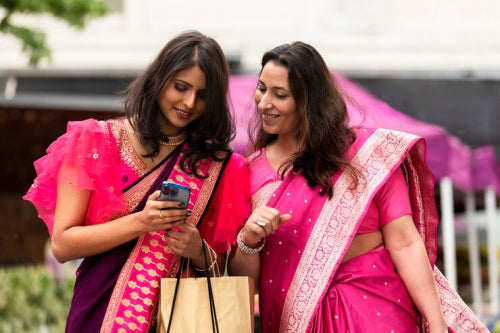
In an age where shoppers are more conscious than ever about the origins of their clothing, direct artisan connections between brands and the skilled hands that craft them are transforming how we perceive and value handmade products. This dynamic is beautifully illustrated in approaches that prioritise product integrity, fostering authenticity that resonates deeply with consumers in India and across global markets such as the US, Singapore, Australia, the UK, and the UAE.
Fast fashion erodes cultural heritage, sidelining artisans and reducing traditions to trends. At IndieHaat, we champion India's craftspeople with handcrafted sarees, apparel, décor, and skincare rooted in authenticity. Each piece embodies skill and ethical care. Support artisans and preserve India's timeless legacy Shop Now!
Why Direct Artisan Connections Matter Today
Consumers today crave items that carry a genuine story, pieces shaped by human hands rather than impersonal factory lines. For brands specialising in traditional textiles, forging direct relationships with artisans means bypassing multiple intermediaries that often blur the true quality and heritage of the materials. This straightforward approach not only grants better oversight of every stage of production but also deepens appreciation for the intricate craft involved.
In India, where handloom weaving forms a living cultural cornerstone passed down through generations, these connections prove especially meaningful. They safeguard centuries-old techniques while allowing them to evolve with modern sensibilities, resulting in garments that feel both timeless and perfectly suited to contemporary life. Whether in the bustling lanes of Mumbai or the serene suburbs of Bengaluru, buyers cherish knowing their attire originated in the skilled hands of a weaver intimately familiar with every thread and shuttle of the loom.
Understanding Product Integrity in Handmade Goods
Product integrity extends far beyond routine quality inspections. It embraces authenticity, ethical sourcing, lasting durability, and profound cultural resonance. For handmade treasures such as sarees, kurtas, and home linens crafted exclusively from pure linen, silk, and cotton, integrity means every fibre is selected and woven with meticulous care, untouched by synthetic shortcuts that diminish the fabric's natural grace and tactile appeal.
When brands maintain direct ties with artisans, they gain the ability to confirm that materials match their promised purity and that designs draw from genuine regional inspirations instead of generic templates. This commitment establishes a bedrock of trust virtually impossible to achieve through traditional supply chains, elevating an ordinary purchase into a heartfelt link with living heritage and exceptional skill.
The Power of Direct Sourcing from Artisans
Direct artisan partnerships breathe life into unique designs rarely encountered in conventional retail outlets. Artisans infuse each creation with personal creativity and ancestral knowledge, producing truly one-of-a-kind pieces that celebrate individuality and cultural depth. By collaborating closely with them, brands serving diverse international audiences can deliver exclusive access to these treasures whether an exquisitely woven silk saree ideal for grand weddings or a lightweight linen kurta perfect for everyday comfort in India's varied climates.
This model delivers tangible economic support to artisans, guaranteeing fair compensation and inspiring the next generation to sustain these revered crafts. It creates a virtuous cycle that uplifts the entire ecosystem, from the humble looms nestled in rural Indian villages to the wardrobes of discerning families in Singapore, Australia, the UK, and beyond who prize items imbued with authentic soul.
- Handmade items sourced straight from artisans, ensuring transparency at every step
- Distinctive designs that reflect regional heritage and personal artistry
- Authentic, pure fabrics limited to premium linen, silk, and cotton
Building Trust and Addressing the Trust Deficit
Trust remains one of the foremost challenges in online purchases of handmade goods. How can a buyer halfway across the world be certain that the beautiful image matches the reality? Direct connections empower brands to share compelling stories of the artisans themselves, offering intimate behind-the-scenes views through vibrant Instagram reels, engaging Facebook updates, and informative YouTube videos that build genuine transparency.
Shoppers across Australia, the UAE, the UK, and the United States many with strong cultural or familial ties to Indian textiles value this openness. Rich narratives detailing the weaving process, the dedicated people behind each piece, and the cultural importance of the craft help overcome the distance, transforming an impersonal online transaction into something that feels as intimate as browsing a traditional village haat.
Overcoming the Lack of Touch and Feel
Nothing fully substitutes the sensory joy of running fingers across luxurious silk or feeling the crisp breathability of fine linen. Yet modern digital tools are steadily narrowing that gap. Crystal-clear photographs, comprehensive fabric guides, live video demonstrations on social platforms, and heartfelt customer testimonials bring the experience vividly to life.
Buyers in the UK and US, often introduced to Indian textiles through family traditions or growing cultural interest, lean on these resources to decide with confidence. The rock-solid authenticity assured by direct artisan relationships frequently dispels any initial hesitation about buying without physical touch, converting uncertainty into pure satisfaction the moment the carefully packed delivery arrives at their doorstep.
Perceived High Pricing: Understanding the True Value
Many potential customers cite higher prices as a significant hurdle when considering handmade items. Yet when one accounts for the countless hours of expert labour, the use of premium pure fabrics, and unwavering ethical standards, the value becomes abundantly clear. These are not fleeting trends destined for the discard pile but enduring heirlooms that deliver superior comfort, remarkable longevity, and timeless style through countless seasons and special occasions.
In the rich tapestry of India's saree culture and the worldwide admiration for mindful craftsmanship, discerning buyers willingly invest more in products that reflect their values supporting rural artisans, championing sustainability, and minimising environmental impact. By eliminating unnecessary middlemen, value reaches the creators more directly, making the premium price a fair reflection of unmatched quality and purposeful creation.
The Growing Demand for Sustainable Handloom Across Markets
The India saree market size reached USD 5.76 Billion in 2024. Looking forward, IMARC Group expects the market to reach USD 10.33 Billion by 2033, exhibiting a growth rate(CAGR) of 6.70% during 2025-2033. The market is driven by increasing consumer preference for sustainable handloom sarees, supported by government initiatives such as GI tags and the Handloom Mark, which enhance authenticity and weaver livelihoods. The rapid adoption of e-commerce, fueled by AI-driven customization, virtual try-ons, and social commerce, is broadening accessibility and convenience for buyers. Additionally, celebrity endorsements and eco-conscious branding are attracting younger demographics, further augmenting the India saree market share.
This enthusiasm finds strong echoes among buyers in the US, Singapore, Australia, the UK, and the UAE, where global consumers actively seek items that align with their priorities of environmental responsibility and cultural respect. Direct artisan partnerships play a pivotal role, preserving cherished skills, empowering local communities, and promoting thoughtful, small-batch production that honours both tradition and the planet.
Embracing a Future Built on Authentic Connections
As consumers worldwide increasingly place integrity at the heart of their buying decisions, the direct artisan connection model is emerging as the benchmark for excellence. It not only elevates product quality but also nurtures meaningful relationships that enrich the entire sector, linking rural workshops directly to urban homes and beyond.
Social media channels magnify this positive influence, cultivating lively communities united by a shared passion for genuine textiles. From captivating Instagram reels showcasing the rhythmic cadence of traditional looms to insightful YouTube explorations of ancient silk dyeing methods, these platforms draw artisans and customers into closer dialogue than ever before.
For anyone drawn to ethical fashion that respects deep-rooted heritage while welcoming modern elegance, venturing into collections rooted in artisan partnerships reveals a realm of beauty and conscientious choice. The path ahead rests on these vital connections that celebrate masterful craftsmanship and cultivate worldwide admiration for handmade excellence creations that feel every bit as wonderful as they appear, proudly worn across continents and passed down through generations.
Frequently Asked Questions
Why are direct artisan connections important for handmade products?
Direct artisan connections ensure that handmade items, such as sarees and kurtas, are crafted with authentic materials and traditional techniques. By working closely with artisans, brands can maintain product integrity, support ethical labor practices, and preserve cultural heritage, giving buyers confidence in the quality and story behind each piece.
How does buying directly from artisans impact the price and value of handmade goods?
While handmade items may seem more expensive than mass-produced alternatives, the higher price reflects the hours of skilled labor, premium fabrics, and ethical sourcing involved. Direct artisan partnerships eliminate unnecessary middlemen, ensuring fair compensation for creators and delivering long-lasting, unique products that justify their investment.
How can online shoppers trust the authenticity of handmade textiles without seeing them in person?
Brands with direct artisan connections use detailed photographs, fabric guides, live videos, and behind-the-scenes storytelling to showcase the craftsmanship. These transparent methods allow buyers worldwide including the US, UK, Australia, and the UAE to feel confident that the product they receive matches its advertised quality and cultural significance.
Disclaimer: The above helpful resources content contains personal opinions and experiences. The information provided is for general knowledge and does not constitute professional advice.
You may also be interested in: Fashion Psychology: How Clothing Impacts Mood and Confidence
Fast fashion erodes cultural heritage, sidelining artisans and reducing traditions to trends. At IndieHaat, we champion India's craftspeople with handcrafted sarees, apparel, décor, and skincare rooted in authenticity. Each piece embodies skill and ethical care. Support artisans and preserve India's timeless legacy Shop Now!
Powered by flareAI.co