
Heritage Attire Aligns With Broader Sustainability Goals
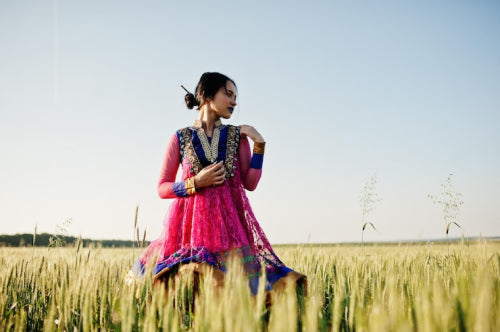
In an era dominated by fast fashion and mounting environmental concerns, a thoughtful counter-movement is steadily gaining ground. More consumers are turning toward garments that carry deep cultural stories, respect natural resources, and honor the skilled hands behind their creation. Heritage attire, especially traditional Indian sarees woven on timeless looms, has moved beyond mere nostalgia. It now stands as a natural ally to broader sustainability efforts worldwide.
Fast fashion erodes cultural heritage, sidelining artisans and reducing traditions to trends. At IndieHaat, we champion India's craftspeople with handcrafted sarees, apparel, décor, and skincare rooted in authenticity. Each piece embodies skill and ethical care. Support artisans and preserve India's timeless legacy Shop Now!
The Revival of Conscious Dressing
From bustling living rooms in Mumbai to modern apartments in New York and serene homes in Singapore, shoppers are taking a moment before adding items to their carts. They pose important questions about origins, makers, and long-term impact. The responses frequently point toward handloom traditions that have endured for generations while offering remarkably relevant solutions in today's low-waste, human-focused landscape.
Indiehaat.com occupies a vital position here, linking thoughtful buyers straight to artisans who craft exclusive pieces using only pure linen, silk, and cotton. By eliminating intermediaries, the platform preserves both the narrative and the superior quality that factory lines often fail to match.
Why Heritage Attire Naturally Supports Sustainability Goals
Handloom weaving stands out as one of the gentlest textile practices for the environment. Artisans rely on traditional looms that consume far less energy than industrial alternatives. They work with natural fibers that break down naturally over time and steer clear of the intensive chemical treatments typical in synthetic production.
This approach resonates with growing global appreciation for sustainable textiles. The handloom product market, which includes sarees and other culturally significant items, has expanded notably as buyers seek eco-friendly options rooted in skilled craftsmanship and unique regional patterns. These pieces highlight creativity and tradition while minimizing ecological harm.
Buyers feel drawn to the intricate designs and distinctive motifs that reflect specific communities and environments. Unlike fleeting trends created in corporate settings, these represent living heritage thoughtfully refreshed for today's wardrobes.
Direct Connections That Build Trust
Online ethnic wear often faces the challenge of distance between creator and customer. Shoppers frequently express concerns over elevated prices without clear value, lingering doubts about reliability, and the absence of physical interaction with the fabric.
Platforms committed to sourcing handmade items directly from artisans confront these issues effectively. When purchasers understand that a garment comes straight from the weaver's loom, the higher cost translates into fair pay for exceptional skill and premium natural materials rather than unnecessary markups.
Transparency serves as the essential link. Rich accounts of the artisans, their villages, and time-honored techniques transform an ordinary transaction into active support for cultural preservation and community well-being.
Authentic Fabrics in a World of Compromises
Indiehaat maintains a strict focus on pure linen, silk, and cotton materials prized for breathability, lasting strength, and all-season comfort. These fabrics improve with age, gaining subtle character while demanding far less from the planet than many modern substitutes.
In India, the saree sector continues to flourish as preferences evolve. Consumers display genuine enthusiasm for sustainable handloom varieties. Government programs, such as GI tags and the Handloom Mark, play a key role in confirming genuineness and bolstering artisan livelihoods. Younger generations, shaped by cultural roots alongside worldwide environmental awareness, increasingly select items that deliver both wearing pleasure and ethical satisfaction.
Navigating Common Doubts About Heritage Fashion Online
Premium pricing can prompt hesitation. Yet when weighed against the hidden expenses of fast fashion such as ecological damage and substandard working conditions a thoughtfully made handloom saree or kurta emerges as a sound, long-term choice. These garments endure for years, sidestep seasonal fads, and lend themselves to inheritance or creative reuse.
Confidence grows through steady, honest storytelling and consistent excellence. Customers in key regions including India, the US, Singapore, Australia, the UK, and the UAE value knowing precisely who created their garment and the conditions involved.
The practical barrier of not being able to touch and feel the product beforehand persists, but comprehensive descriptions, detailed imagery, and genuine customer experiences help close the distance. Once wearers encounter the superior drape and natural texture of authentic fabrics, many find it hard to return to lesser alternatives.
Addressing Objections Through Better Experiences
- Price justification: Emphasizing the extensive skilled labor and high-quality raw materials allows customers to recognize true worth.
- Building confidence: Straightforward artisan links and open processes ease understandable skepticism.
- Overcoming the tactile barrier: Supportive policies paired with vivid visuals and compelling narratives provide needed reassurance.
The Role of Social Platforms in Spreading the Message
Discovery of these heritage creations happens largely on visual networks where makers and wearers exchange personal accounts. Instagram holds particular influence, offering intimate views of textures, elegant drapes, and authentic styling in daily life. Facebook communities and YouTube channels centered on traditional crafts and mindful fashion extend these genuine perspectives further.
Both dedicated creators and ordinary enthusiasts demonstrate how a single linen saree moves effortlessly from everyday routines to celebratory occasions, illustrating real versatility that never sacrifices core principles.
Market Momentum Meets Personal Values
The wider ethnic wear landscape reveals clear enthusiasm for handcrafted, responsible choices. While precise projections differ, the core direction remains evident: people seek apparel that honors cultural foundations and environmental limits alike.
In the United States, increasing cultural variety and broader acceptance of ethnic styles drive interest, especially among communities desiring meaningful ties to their background. Comparable developments unfold among diaspora groups in Australia, the UK, Singapore, and the UAE, where traditional clothing elegantly connects heritage with contemporary life.
Platforms such as Indiehaat succeed by concentrating on essentials: distinctive designs, genuine direct sourcing, and fabrics that deliver comfort equal to their visual appeal.
Beyond Trends: A Lasting Alignment
Opting for heritage attire does not mean turning away from modern life but embracing a more considered form of it. Every handwoven item helps sustain techniques that could otherwise diminish, aids families within artisan circles, and lightens the overall environmental load of personal clothing choices.
As understanding spreads, so does the subtle fulfillment of selecting pieces that harmonize individual taste with deeper convictions. The experience carries a distinct quality more deliberate, more deeply linked.
For anyone beginning this exploration, the process frequently starts with a single, intentionally chosen garment that awakens interest in the creators behind it and the enduring traditions it embodies. Gradually, such decisions shape a collection that narrates a richer, more responsible story.
Heritage attire does far more than join sustainability discussions it deepens them. It illustrates how the most elegant answers frequently arise from valuing proven wisdom and adapting it with care to address the needs of our time.
Frequently Asked Questions
Why is handloom clothing considered a sustainable fashion choice?
Handloom weaving is one of the most environmentally gentle textile practices available today. Traditional looms consume significantly less energy than industrial machines, and artisans work with natural fibers like linen, silk, and cotton that biodegrade naturally and require no harsh chemical treatments. Unlike fast fashion, handloom garments are built to last for years and can even be inherited or repurposed making them a sound, low-waste investment.
Are heritage handloom sarees and ethnic wear worth the higher price tag?
Yes when you factor in the true cost of what you're buying, the value becomes clear. The price reflects fair wages for skilled artisans, premium natural materials, and the preservation of centuries-old weaving traditions. Unlike fast fashion items that degrade quickly and contribute to environmental harm, a quality handloom saree improves with age and transcends seasonal trends, offering long-term wear and ethical satisfaction in a single purchase.
How can I buy authentic handloom sarees and ethnic wear online with confidence?
Look for platforms that source directly from artisans and offer transparent storytelling about who made your garment, where, and how. Direct-to-buyer models eliminate middlemen, ensuring both fair artisan pay and genuine quality. Certifications like India's GI tags and the Handloom Mark also help verify authenticity. Detailed product descriptions, high-quality imagery, and real customer reviews can bridge the gap left by not being able to touch the fabric in person.
Disclaimer: The above helpful resources content contains personal opinions and experiences. The information provided is for general knowledge and does not constitute professional advice.
You may also be interested in: What Is Ethical E-commerce and Why It Matters - Indiehaat.com
Fast fashion erodes cultural heritage, sidelining artisans and reducing traditions to trends. At IndieHaat, we champion India's craftspeople with handcrafted sarees, apparel, décor, and skincare rooted in authenticity. Each piece embodies skill and ethical care. Support artisans and preserve India's timeless legacy Shop Now!
Powered by flareAI.co