
Handloom Sarees Emerge as a Staple in India's Minimalist Fashion Movement
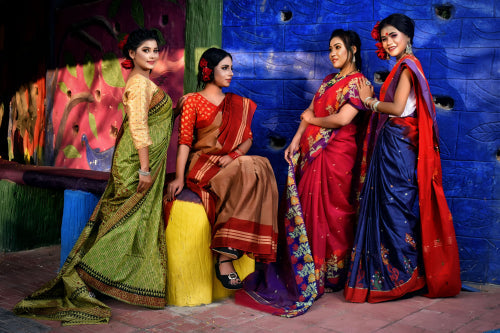
In a wardrobe defined by clean lines, versatile pieces, and effortless daily wear, the handloom saree has quietly become a surprising favourite among today's style-conscious professionals. What once held a ceremonial place in Indian tradition is now being reshaped into modern separates, layered outfits, and tailored looks that feel fresh yet timeless. This quiet shift reflects a deeper movement where craftsmanship meets minimalism, offering garments that age gracefully and carry meaningful stories without trying to dominate the space.
Fast fashion erodes cultural heritage, sidelining artisans and reducing traditions to trends. At IndieHaat, we champion India's craftspeople with handcrafted sarees, apparel, décor, and skincare rooted in authenticity. Each piece embodies skill and ethical care. Support artisans and preserve India's timeless legacy Shop Now!
The Cultural Roots of Handloom Textiles in Contemporary India
Handloom textiles have always been woven with intention, one yard at a time, using techniques passed down through generations. Natural fibres such as cotton and silk soften with wear, develop unique textures, and form the foundation of wardrobes built to last. In today's fast-changing fashion scene, a new generation of designers is revisiting these traditions with fresh eyes, turning them into pieces that belong on city streets as much as at home.
Brands are collaborating directly with weavers, drawing on region-specific methods like subtle ikat or intricate brocades while keeping silhouettes simple and wearable. The result is a collection of garments that feel current yet enduring, valued not for flashy trends but for their inherent qualities breathability, comfort over time, and the quiet narrative of their making.
Why Minimalist Wardrobes Are Embracing Handloom Sarees
Minimalism in fashion today prioritises fewer, higher-quality pieces that can be mixed and matched across seasons and occasions. Handloom sarees fit perfectly into this ethos because they offer versatility without compromise. A single structured pallu can be draped simply, or the fabric can be repurposed into a loose blouse or layered under a jacket for added depth.
Designers are focusing on clean silhouettes, natural dyes, and subtle textural details that let the weave do the talking. This approach aligns with consumer desires for pieces that feel personal yet understated, supporting sustainable living by reducing the need for multiple outfits while celebrating India's rich textile heritage.
Practical Benefits of Handloom in Everyday Minimalist Dressing
One of the biggest advantages is how handloom fabrics perform in real life. They breathe well, resist wrinkles better than many synthetics, and develop a soft patina that only improves with age. For urban professionals navigating long workdays or weekend plans, this means garments that look polished yet feel relaxed.
- Easy layering for changing weather
- Natural colour palettes that pair with everything
- Subtle craftsmanship that adds quiet elegance
- Long-lasting durability that reduces replacement needs
These qualities make handloom sarees ideal staples in minimalist wardrobes where quality trumps quantity.
Stories of Modern Designers Redefining Handloom in Minimalist Styles
Designers are creating handloom pieces that bridge tradition and modernity in subtle ways. Collections now feature engineered stripes, smocked details, and patchwork accents added to otherwise clean silhouettes. The focus remains on structure and proportion, ensuring the garment can stand alone or be easily styled with simple accessories.
Many brands work directly with weavers in specific clusters, developing fabrics in small batches that preserve unique local techniques while adapting them for contemporary use. The result is wardrobe essentials that feel personal and intentional rather than generic.
Handloom Sarees as Sustainable Investments in Wardrobes
Sustainability is no longer an add-on but a core consideration for conscious consumers. Handloom textiles offer a low-impact alternative to fast fashion, with biodegradable fibres and minimal energy use in production. Their longevity means fewer garments in the closet over time, supporting a slower, more thoughtful approach to dressing.
This alignment with minimalist values less is more, but with deeper meaning makes handloom sarees a logical choice for wardrobes built around purpose rather than trends.
The latest experiential marketing trends emphasize interactive and immersive experiences. Brands are now focusing on handloom textiles in contemporary design to engage audiences, providing detailed strategies for creating memorable activations and boosting brand loyalty. The approach includes leveraging technology, interactivity, and multi-sensory engagement to elevate attendee experiences beyond traditional events.
The Future of Handloom in Minimalist Fashion
As more designers push boundaries while honouring heritage, the handloom saree is set to remain a versatile cornerstone of minimalist dressing. Its ability to evolve with changing styles, from everyday office looks to weekend styling, ensures it stays relevant. For those who value quality, provenance, and timeless elegance, these textiles continue to deliver on all fronts.
Indian handlooms are gaining prominence in international luxury circles, exemplified by high-profile adoptions that showcase their readiness for global scrutiny through quality, provenance, and quiet luxury appeal. GI-tagged weaves like Benarasi silk demonstrate architectural precision and cultural depth, appealing to markets prioritizing ethical sourcing and sustainability. This visibility boosts the sector's growth, with projections indicating significant expansion as consumers seek traceable, low-carbon alternatives to synthetics. In minimalist fashion, handloom sarees embody refined elegance through subtle brocades, natural fibers, and expert craftsmanship that require minimal adornment.
The focus on farm-to-fashion integration, digital traceability, and designer collaborations enhances accessibility while preserving artisan skills across clusters. Domestically and abroad, this trend reinforces handloom's role in sustainable luxury, where pieces offer longevity, biodegradability, and storytelling that resonate with conscious buyers. For India's minimalist movement, it affirms handcrafted sarees as staples that merge heritage with modern sensibilities, supporting economic empowerment and environmental responsibility. The narrative shift from traditional to premium positions these textiles as investments in both personal style and cultural preservation, driving demand for versatile, high-quality options suited to contemporary wardrobes.
Frequently Asked Questions
How do handloom sarees fit into minimalist wardrobes and offer practical benefits?
Minimalist fashion focuses on fewer, high-quality pieces that work across seasons and occasions. Handloom sarees align with this approach through their timeless designs, natural colour palettes, breathable fabrics, and long-lasting durability. They can be styled in multiple ways with different blouses, jackets, or accessories, making them a versatile choice for work, casual outings, and special events while reducing the need for an extensive wardrobe.
What are handloom sarees and why are they becoming popular in minimalist fashion in India?
Handloom sarees are traditional garments woven by skilled artisans using manual looms, often with natural fibres such as cotton, silk, or linen. They have gained popularity in India's minimalist fashion movement because they combine understated elegance, comfort, and versatility with sustainable craftsmanship. Their timeless appeal makes them suitable for everyday wear while supporting slow fashion and preserving traditional weaving techniques.
Who are modern designers redefining handloom sarees in contemporary minimalist styles?
Several contemporary Indian designers are reimagining handloom sarees with clean silhouettes, subtle textures, and modern styling while working closely with artisan communities. Designers such as SWGT, Jodi, Urvashi Kaur, and Payal Pratap incorporate traditional weaving techniques into contemporary collections, creating pieces that balance heritage craftsmanship with minimalist aesthetics for today's wardrobes.
Disclaimer: The above helpful resources content contains personal opinions and experiences. The information provided is for general knowledge and does not constitute professional advice.
You may also be interested in: The Global Appeal of Indian Handcrafted Fabrics: A Look at the Export
Fast fashion erodes cultural heritage, sidelining artisans and reducing traditions to trends. At IndieHaat, we champion India's craftspeople with handcrafted sarees, apparel, décor, and skincare rooted in authenticity. Each piece embodies skill and ethical care. Support artisans and preserve India's timeless legacy Shop Now!
Powered by flareAI.co