
Handcrafted Home Dcor Enhances Minimalist Living Spaces
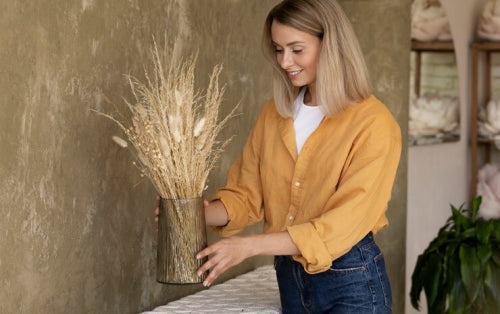
Minimalism has surged as a defining aesthetic in modern homes, a deliberate counterpoint to the clutter and excess of contemporary life. Its hallmarks clean lines, neutral palettes, and unadorned spaces promise serenity and intentionality. Yet, for all its clarity, minimalism can sometimes feel austere, lacking the warmth that transforms a house into a home. This is where handcrafted home décor emerges as a vital force, weaving sustainability, cultural heritage, and human artistry into the fabric of minimalist design. By carefully integrating artisanal pieces, homeowners can craft spaces that are both spare and soulful, proving that simplicity need not sacrifice character.
Minimalism's Ascendancy in Modern Design
The rise of minimalism reflects a cultural craving for calm amid chaos. Homeowners are drawn to its ethos of purposeful restraint, where every object earns its place through function or beauty. This trend aligns with a growing commitment to sustainable living, as people seek to consume less and live more mindfully. However, minimalist spaces, with their stark surfaces and streamlined furniture, can risk feeling impersonal. Handcrafted décor offers a remedy, introducing texture and narrative without compromising the aesthetic's core principles.
Artisanal pieces handwoven textiles, ceramic vessels, or carved wooden accents infuse minimalist rooms with humanity. These items, often rooted in time-honored traditions, carry the weight of history. As noted in a Wikipedia entry on handicrafts, such crafts involve manual techniques using simple tools, spanning materials like clay, textiles, and metal. In India, for example, the ancient practice of Dhokra metal casting, dating back over 5,000 years, produces intricate objects that resonate with minimalist sensibilities. These pieces don't merely adorn; they anchor spaces in cultural depth, elevating the ordinary into the extraordinary.
The Surge of Sustainable Craftsmanship
The global home décor market is thriving, fueled by a demand for individuality and environmental responsibility. According to Fortune Business Insights, the market was valued at $747.75 billion in 2024 and is projected to grow to $1,097.51 billion by 2032, with a compound annual growth rate (CAGR) of 4.58%. Similarly, IMARC Group estimates the market reached $779.8 billion in 2024, forecasting an increase to $1,104 billion by 2033 at a CAGR of 3.9%. These figures underscore a robust appetite for products that blend aesthetic appeal with practical use, from furniture to decorative touches like wall art and candles.
Sustainability drives much of this growth. Consumers increasingly prioritize eco-friendly, locally sourced materials over mass-produced alternatives. The sustainable home décor market, valued at $331 billion in 2021, is expected to reach $556.3 billion by 2031, growing at a CAGR of 5.3%. For many, sustainability means partnering with local artisans who craft goods by hand, often using recycled or natural materials. In minimalist interiors, these items stand out: a jute rug with earthy tones, a pottery piece with organic imperfections, or a wooden tray that doubles as sculpture. Indian craftsmanship, renowned for its textiles and ceramics, excels in delivering the neutral hues and tactile textures that harmonize with minimalist design.
Artisanal Craft in Minimalist Spaces
Imagine a living room bathed in soft light, its walls a creamy white, its furniture sleek and low-profile. At its heart lies a handwoven rug, its patterns evoking the arid beauty of Rajasthan's deserts. Nearby, a ceramic vase in muted ochre gleams on a minimalist shelf. These pieces aren't mere decorations; they're storytellers, transforming a spare space into one that pulses with life. Artisans worldwide are mastering this balance, creating works that marry form and function for minimalist tastes.
Consider the women artisans of Iranian Baluchistan, who craft red ware pottery adorned with dotted patterns, a tradition tied to the 4,000-year-old ceramics of Kalpurgan, as described in the Wikipedia handicraft entry. These rustic vessels blend seamlessly into minimalist homes, offering warmth without visual clutter. Similarly, a 2025 arXiv study explores maker entrepreneurs who fuse traditional craftsmanship with digital tools, producing items like hand-carved bowls or woven wall hangings. These artisans innovate while honoring heritage, crafting pieces that resonate with contemporary design sensibilities.
Interior designers increasingly champion this approach. A single artisanal item a textured throw, a hand-sculpted lamp can serve as a room's focal point, reducing the need for additional décor. The result is a space that feels intentional, tranquil, and uniquely personal, demonstrating that minimalism and craftsmanship are not opposites but allies.
Challenges of Integrating Handcrafted Décor
Incorporating artisanal décor into minimalist homes presents challenges. Minimalism demands discipline, adhering to the principle of “less is more.” Yet handcrafted pieces, with their intricate details or vivid colors, can disrupt this balance. A boldly patterned textile, while striking, might overpower a neutral scheme. Selecting pieces that align with minimalist ideals subtle tones, clean lines, and practical design requires a keen eye.
Cost is another hurdle. Handcrafted goods, produced in limited quantities, often command premium prices compared to factory-made alternatives. Sourcing authentic pieces can also be complex, as not all artisans have an online presence, and quality varies. The arXiv study underscores the economic and psychological barriers faced by maker entrepreneurs, noting that creativity alone cannot sustain a viable practice. For consumers, this means investing time and effort to find pieces that are both genuine and budget-friendly.
Overuse poses a further risk. Too many distinctive items can fracture the calm of a minimalist space, creating visual discord. The solution lies in restraint: selecting one or two standout pieces that enhance rather than overwhelm the environment.
Opportunities for Artisans and Industry
The rise of handcrafted décor opens doors for artisans and businesses alike. For craftspeople, particularly in rural regions, it's an opportunity to preserve cultural traditions while accessing global markets. Supporting these artisans sustains livelihoods and fosters cross-cultural exchange, as seen in the growing demand for Indian textiles or African woven goods in Western homes.
For businesses, the trend is a lucrative frontier. The luxury home décor market, projected to grow from $151.82 billion in 2025 to $238.98 billion by 2034 at a CAGR of 5.17%, highlights the appetite for exclusive, high-quality pieces. Handcrafted décor, with its aura of individuality, appeals to consumers seeking enduring value over transient fads. Companies can seize this opportunity by prioritizing ethical sourcing, collaborating with artisans, and leveraging digital platforms to showcase their offerings. Innovations like augmented reality, cited in the IMARC Group report, are revolutionizing the shopping experience, allowing consumers to preview décor in their homes before purchasing.
The Future of Artisanal Minimalism
The fusion of minimalism and handcrafted décor is not a passing trend but a paradigm shift. In an era dominated by mass production, artisanal goods offer authenticity a tangible connection to human skill and heritage. They remind us that simplicity is not about absence but about meaning, where a single, thoughtfully crafted object can outshine a crowded room. Industry experts foresee this trend gaining momentum, driven by a collective yearning for sustainability and connection.
Businesses in the handmade lifestyle sector should take note, innovating to meet the demands of discerning, eco-conscious consumers. For homeowners, the lesson is clear: minimalism thrives with intention. A handcrafted piece be it a woven basket, a ceramic bowl, or a carved stool can redefine a space, making it both a sanctuary and a story. In the stillness of a minimalist home, these objects speak of human hands, ancient crafts, and a future where less is profoundly more.
Disclaimer: The above helpful resources content contains personal opinions and experiences. The information provided is for general knowledge and does not constitute professional advice.
You may also be interested in: Transform Your Home With Stylish Curtains Online| Indiehaat
Fast fashion erodes cultural heritage, sidelining artisans and reducing traditions to trends. At IndieHaat, we champion India's craftspeople with handcrafted sarees, apparel, décor, and skincare rooted in authenticity. Each piece embodies skill and ethical care. Support artisans and preserve India's timeless legacy Shop Now!
Powered by flareAI.co