
Ethical Fashion Movements Inspired by Indian Handloom
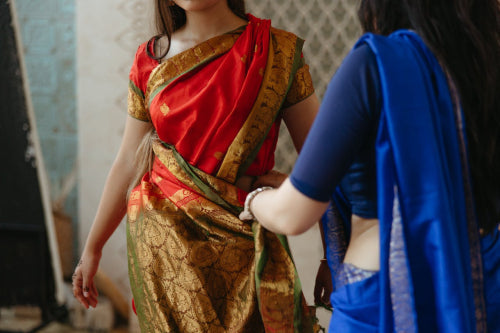
In the bustling lanes of Varanasi and the quiet weaving villages of Tamil Nadu, generations of artisans have passed down the rhythmic clack of handlooms, creating fabrics that carry stories of resilience, skill, and deep cultural heritage. Today, this ancient craft is powering a meaningful global shift in ethical fashion one that values people, planet, and tradition over haste and disposability. Across India and international markets, consumers are increasingly seeking garments with purpose, and Indian handloom serves as both a proud cultural foundation and a practical path forward.
Fast fashion erodes cultural heritage, sidelining artisans and reducing traditions to trends. At IndieHaat, we champion India's craftspeople with handcrafted sarees, apparel, décor, and skincare rooted in authenticity. Each piece embodies skill and ethical care. Support artisans and preserve India's timeless legacy Shop Now!
The Timeless Appeal of Indian Handloom in Ethical Fashion
Indian handloom represents far more than mere fabric; it embodies living heritage. Every sari, kurta, or stole bears the unique touch of skilled hands working on traditional looms, relying on natural fibres and time-honoured techniques passed through families. This deliberate, slow process perfectly matches the core values of ethical fashion: fair compensation for artisans, low environmental footprint, and durable products meant to be cherished for years.
In India, sustainability is woven into everyday life through practices like repurposing garments during festivals or selecting breathable khadi for daily comfort. Handloom connects strongly with these roots. It also attracts global buyers weary of fast fashion's consequences. Urban professionals in Mumbai, Delhi, and Bengaluru, along with diaspora communities, are rediscovering the satisfaction of owning pieces that support real communities while minimising waste. This movement celebrates craftsmanship that respects both human dignity and natural resources.
Why Ethical Fashion Movements Are Embracing Handloom
The growing interest in ethical choices comes from heightened awareness among consumers who now ask important questions: Who crafted my clothes? Were they made under fair conditions? What impact does production have on the environment? Indian handloom provides clear answers through its transparent processes. Artisans often collaborate in cooperatives, backed by initiatives such as the National Handloom Development Programme, which helps preserve traditional skills and secure stable livelihoods.
This revival blends classic weaving methods with modern aesthetics. Designers are reimagining traditional weaves for contemporary wardrobes block-printed linens suitable for office settings, elegant silk blends for special occasions, and versatile cottons for everyday wear. Platforms and brands play a vital role by connecting rural artisans directly with urban and overseas buyers, fostering opportunities that honour cultural preservation while driving economic empowerment.
Revival of Traditional Techniques in Response to Modern Needs
Weaving clusters across India are witnessing fresh vitality. Techniques that once faced the risk of being lost are now being revitalised through creative partnerships between artisans and contemporary designers. Support from the Ministry of Textiles has enabled cooperatives to maintain authenticity while reaching wider audiences.
Practically, this translates into handloom products that seamlessly fit today's lifestyles. Imagine a handwoven cotton shirt that feels equally at home in a bustling Bengaluru co-working space or during a family gathering in a small town. Or a lightweight stole ideal for professionals travelling between India, Singapore, and the UAE. These items represent true slow fashion crafted to withstand multiple seasons and occasions rather than fleeting trends.
Consumer Behaviour Shaping the Ethical Fashion Landscape
Shoppers in India are setting inspiring examples by choosing handloom for meaningful occasions such as Diwali celebrations, weddings, and cultural festivals. They value the narrative embedded in each thread the region it comes from, the hands that wove it, and the traditions it sustains. This preference reaches far beyond national borders, with dedicated platforms showcasing artisan creations to audiences in the US, UK, Australia, and the Middle East.
What connects buyers across these diverse markets is the longing for individuality. Mass-produced garments often feel impersonal, whereas handloom delivers distinctive texture, character, and a genuine link to human effort. Awareness campaigns in cities like Hyderabad and Chennai, combined with events in London and New York diaspora circles, continue to spread this message, inspiring more mindful purchasing decisions that strengthen ethical supply chains.
The Transformative Role of Digital Platforms
Digital technology has emerged as a powerful enabler for the handloom sector. E-commerce marketplaces and social media channels allow artisans to present their creations directly to buyers, reducing reliance on intermediaries and improving income opportunities. Customers benefit from greater traceability, knowing the journey from cotton fields in Punjab or Tamil Nadu to the finished garment.
Specialised platforms focused on Indian handloom curate diverse collections from different states, making discovery and confident purchasing simpler than ever. This digital approach broadens market access while keeping the human story central to every product. It also facilitates personalisation, where buyers can request specific regional motifs, colours, or designs rooted in India's rich weaving traditions.
Strategic Opportunities for Businesses in Handloom Ethics
For brands and entrepreneurs, embracing handloom opens compelling pathways for growth and differentiation. By forming genuine partnerships with artisan communities, companies cultivate strong loyalty among customers who prioritise values alongside quality. Authentic stories from weavers in specific regions add credibility that resonates powerfully in marketing and brand building.
Within India's varied market, this strategy promotes inclusive development. Women-led cooperatives gain strength, valuable skills pass to younger generations, and rural economies receive much-needed stability. On the global stage, Indian labels position themselves as pioneers in sustainable luxury, appealing to discerning shoppers in Singapore's retail hubs or Australia's conscious fashion stores.
Addressing Challenges While Building a Sustainable Future
While progress is evident, certain obstacles persist, including limited market linkages for artisans in remote areas and competition from faster production methods. Fortunately, focused efforts in skill development, innovative design, and export support are steadily bridging these gaps.
The outlook remains optimistic as increasing numbers of consumers make purchasing decisions aligned with their principles. Choosing handloom means supporting garments that celebrate exceptional craftsmanship, lower environmental impact through localised production, and help maintain India's extraordinary cultural diversity for future generations.
Practical Steps Towards a Thoughtful Wardrobe
Transitioning to ethical fashion can begin modestly. Replace a single fast-fashion piece with a versatile handloom kurta or dress. Discover regional specialties such as Banarasi silks, Kanjeevaram weaves, or Chanderi cottons, each offering unique beauty and significance. Every thoughtful choice adds momentum to a broader movement where fashion becomes a force for good rather than harm.
As Weaving Sustainability: Ethical Fashion Movements Rooted in Indian Handloom continues to gather strength, it underscores that genuine style stems from conscious intention. Indian handloom is not merely following trends it is actively reshaping how we approach dressing for a more responsible world. Industry observers note that the integration of digital tools is enhancing accessibility and brand visibility for both producers and artisans, allowing this heritage craft to thrive in contemporary markets.
every thread carefully woven by hand holds the power to drive positive transformation. By actively supporting this timeless craft, we interlace heritage, ethics, and forward-thinking innovation into a resilient fabric capable of shaping a better future for artisans, consumers, and the planet alike. Whether you are a conscious buyer in India or abroad, your choices matter in sustaining this vital movement.
Frequently Asked Questions
Why is Indian handloom considered ethical and sustainable fashion?
Indian handloom is considered ethical because it relies on traditional, slow crafting processes that ensure fair compensation for artisans, a low environmental footprint, and durable, long-lasting garments. Unlike fast fashion, handloom fabrics are made using natural fibres and time-honoured techniques passed down through generations. Many artisans work within cooperatives supported by government initiatives like the National Handloom Development Programme, ensuring stable livelihoods and preserved cultural heritage.
How are digital platforms helping Indian handloom artisans reach global markets?
E-commerce marketplaces and social media have given handloom artisans direct access to buyers across the US, UK, Australia, and the Middle East, reducing dependence on intermediaries and improving income. Specialised handloom platforms curate collections from different Indian states, making it easier for conscious consumers worldwide to discover and purchase authentic pieces. This digital shift also enables personalisation, allowing buyers to request specific regional motifs, colours, or designs rooted in India's weaving traditions.
What are some popular Indian handloom fabrics to start building an ethical wardrobe?
Some well-known Indian handloom specialties include Banarasi silks from Varanasi, Kanjeevaram weaves from Tamil Nadu, and Chanderi cottons each offering unique beauty, cultural significance, and versatility. These fabrics work across occasions, from everyday wear to weddings and festivals, making them practical investments in slow fashion. Starting with just one handloom piece, such as a kurta or stole, is a simple yet meaningful step toward a more conscious, ethical wardrobe.
Disclaimer: The above helpful resources content contains personal opinions and experiences. The information provided is for general knowledge and does not constitute professional advice.
You may also be interested in: Versatile Dress Materials Adapt to Professional and Festive Occasions
Fast fashion erodes cultural heritage, sidelining artisans and reducing traditions to trends. At IndieHaat, we champion India's craftspeople with handcrafted sarees, apparel, décor, and skincare rooted in authenticity. Each piece embodies skill and ethical care. Support artisans and preserve India's timeless legacy Shop Now!
Powered by flareAI.co